North India Statesman
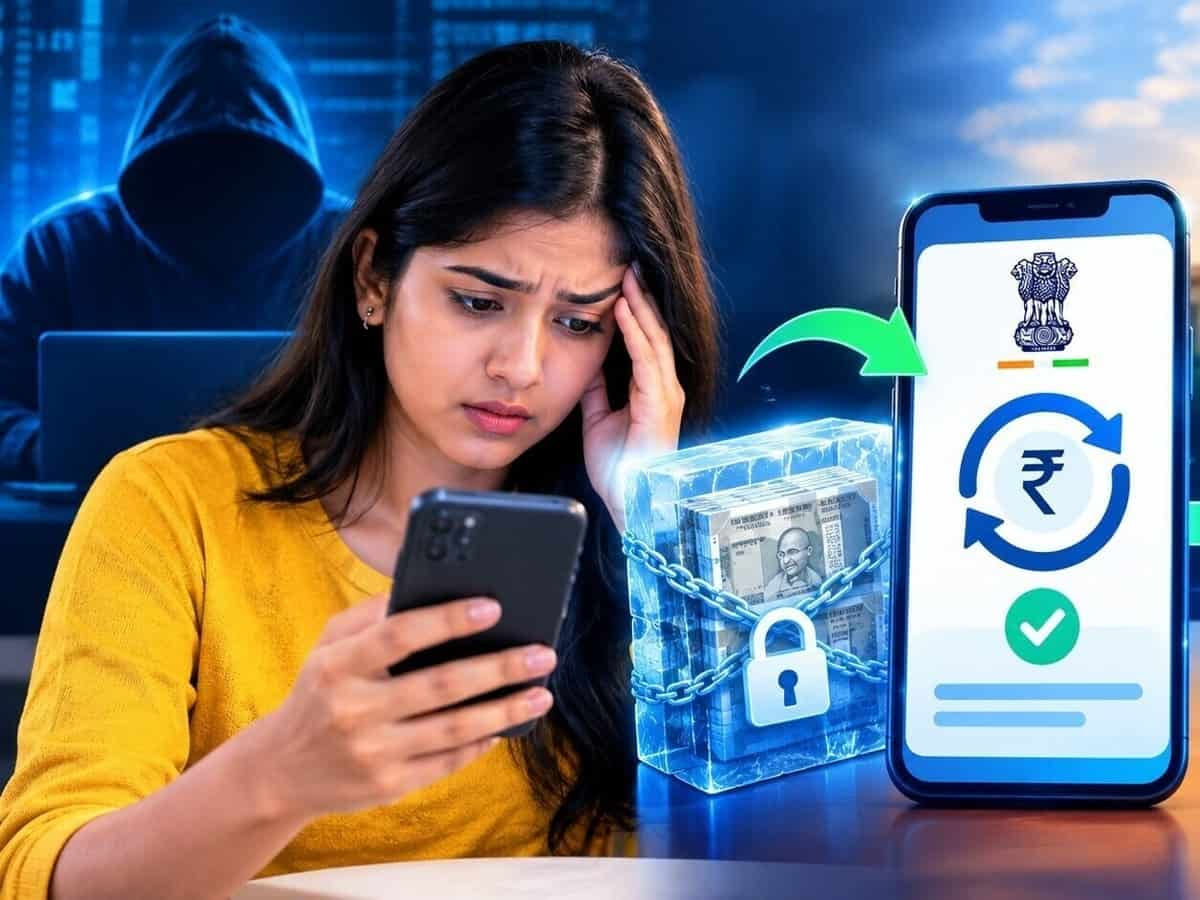
When money vanishes from a bank account through unauthorised online transactions, most victims assume their hard-earned savings are gone forever. However, a landmark ruling by a Delhi consumer commission has reaffirmed that Indian banking customers enjoy strong legal protection when they act swiftly. In a significant order delivered recently, the Delhi consumer court held a private sector bank liable for deficiency in service and directed it to refund ₹70,084 stolen from a woman’s savings account, alongside paying ₹25,000 towards compensation and litigation costs. The judgment serves as a vital reminder for account holders across India—from Delhi, Noida, and Lucknow to Mumbai and Bengaluru—that banks cannot simply shift the blame onto customers without proving negligence.
How the Online Fraud Happened and Why the Woman Won
According to case records before the Delhi consumer commission, the complainant held a savings account linked to her registered mobile number. In July 2016, multiple unauthorised electronic transactions totalling ₹77,114 were carried out from her account without her knowledge or consent, including a disputed debit of ₹70,084 on July 9. During that period, her mobile phone was experiencing technical issues, preventing her from receiving instant SMS alerts and one-time passwords (OTPs) in real time. The moment she discovered the unauthorised withdrawals, she emailed the bank’s customer care the very next day, on July 10, requesting an immediate block on her card to prevent further loss, and promptly lodged a police complaint.
Despite receiving timely intimation, the bank refused to reverse the fraudulent debits, forcing the customer to bear additional penalty charges and missed insurance payments before she approached the consumer forum. During the hearings, the bank argued that safeguarding card details and OTPs was solely the cardholder’s responsibility. Rejecting the bank’s defence, the commission observed that the bank had failed to produce any concrete evidence proving negligence or collusion on the part of the customer. Citing established Bombay High Court precedent, the forum ruled that the burden of proving customer liability rests squarely on the bank, ordering a full refund of ₹70,084 plus ₹25,000 in damages and legal expenses.
What RBI Zero-Liability Rules Say About Stolen Bank Money
This court order rests directly on the Reserve Bank of India’s (RBI) master circular governing customer protection in unauthorised electronic banking transactions. Under RBI regulations, a customer’s financial liability depends on who is at fault and how quickly the fraud is reported:
-
Zero Customer Liability: If the fraud occurs due to contributory fraud, negligence, or a security deficiency on the part of the bank, the customer bears zero liability regardless of when they report it. Similarly, in cases of a third-party breach—where neither the bank nor the customer is directly at fault—the customer enjoys 100 percent zero liability if they notify the bank within three working days of receiving the transaction alert.
-
Limited Liability for Delayed Reporting: If a third-party breach is reported between four and seven working days after receiving the bank’s communication, customer liability is capped between ₹5,000 and ₹25,000 depending on the type of bank account or credit card limit.
-
Reporting Beyond Seven Working Days: If a customer delays reporting beyond seven working days, liability is determined strictly according to the bank’s board-approved policy.
-
When the Customer Bears the Loss: If the loss occurs due to proven customer negligence—such as voluntarily sharing banking passwords, PINs, or OTPs with a fraudster, or clicking on unverified phishing links—the customer bears the entire loss until they report the incident to the bank. Any unauthorised transaction occurring after the bank is notified must be borne by the bank.
Step-by-Step Action Plan If Money Is Stolen From Your Account
Financial cybercrime experts and consumer rights advocates stress that the first few hours after detecting an unauthorised debit are critical to recovering stolen funds. If you notice an unknown UPI, net banking, or card deduction, take these five immediate steps:
-
Notify Your Bank Immediately: Call your bank’s official 24×7 toll-free fraud helpline, send an email to customer care, or raise a dispute inside your official mobile banking app within the crucial three-working-day window.
-
Block Cards and Digital Channels: Request an instant block on compromised debit cards, credit cards, UPI IDs, and internet banking credentials so hackers cannot drain the remaining balance.
-
File a Cybercrime Complaint on 1930: Report the incident immediately on the National Cyber Crime Reporting Portal (cybercrime.gov.in) or dial the national helpline number 1930 so law enforcement can freeze the recipient’s mule account before the funds are withdrawn.
-
Preserve Every Piece of Evidence: Save screenshots of SMS alerts, bank statements, email timestamps, complaint acknowledgement numbers, and police FIR copies. Written proof of timely reporting is your strongest legal shield.
-
Escalate to the RBI Ombudsman or Consumer Court: Under RBI norms, banks must shadow-credit the disputed amount within 10 working days of notification and resolve the complaint within 90 days. If the bank refuses relief without proving your negligence, escalate the matter free of cost to the RBI Integrated Ombudsman (cms.rbi.org.in) or file a claim before the District Consumer Disputes Redressal Commission.
Why Vigilance and Prompt Reporting Protect Your Savings
While courts and the RBI consistently uphold the principle that banks have a fiduciary duty to safeguard customer deposits, zero-liability protection is not automatic in every scenario. Regularly monitoring bank SMS alerts, keeping your registered mobile number active, and never sharing OTPs or remote-access permissions remain your first line of defence. However, as the Delhi consumer court’s ₹95,084 relief order proves, if cybercriminals breach your account without your fault and you alert the bank on time, the law stands firmly on your side to ensure your stolen money is returned.