North India Statesman
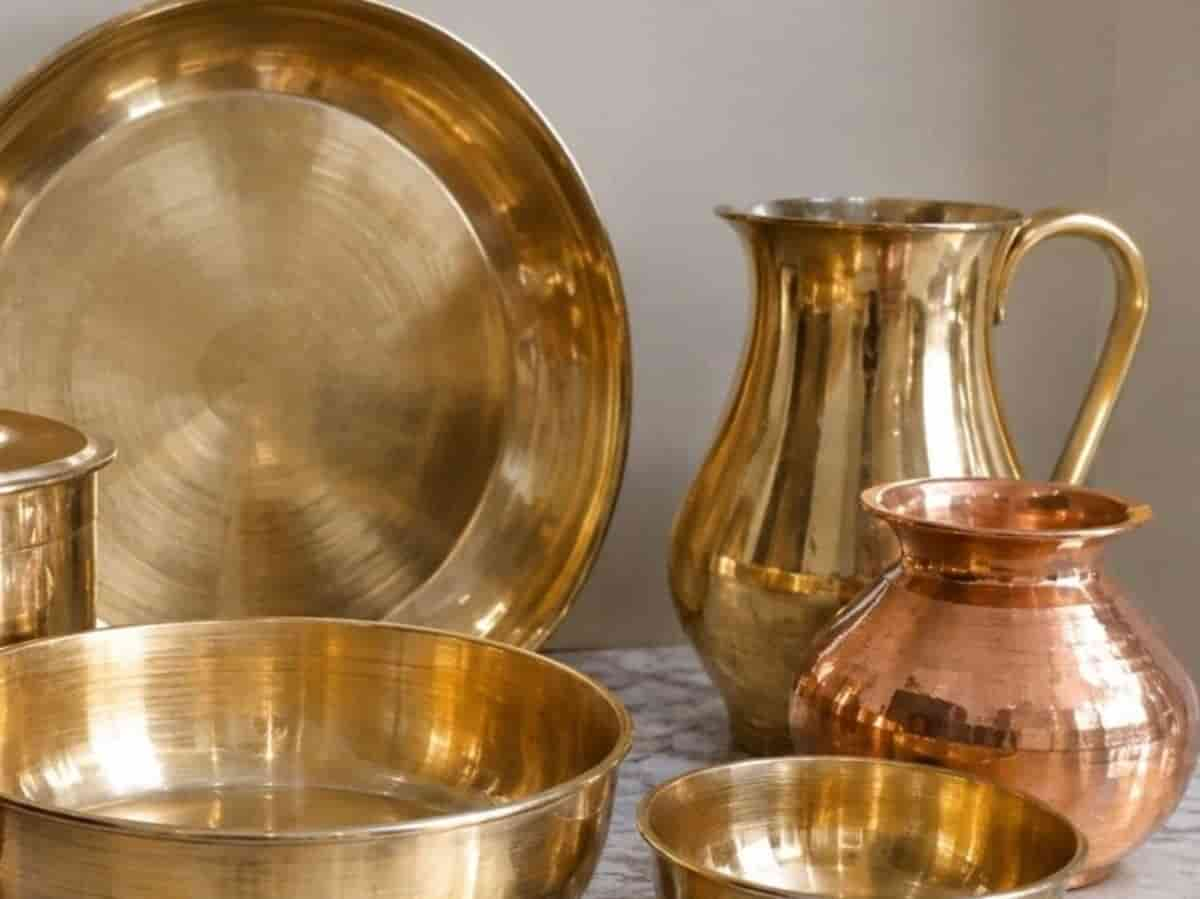
In Indian households, kitchenware and daily vessels are far more than mere tools for cooking or storage; they are deeply tied to the energies of nourishment, abundance, and prosperity. According to traditional Vastu Shastra—the ancient Indian architectural and spatial science—every object inside a residence carries vibrational weight that either nurtures financial growth or quietly drains household wealth. Among the most overlooked domestic habits across urban apartments and traditional homes in India is leaving empty utensils scattered or stacked in sensitive zones of the house. Vastu experts and practitioners note that an empty vessel symbolizes scarcity, stagnation, and an energetic vacuum, which can gradually manifest as recurring cash crunches, blocked income, and unexpected expenses. Understanding where never to leave empty pots, buckets, or containers can help families preserve positive energy and invite the steady blessings of Goddess Annapurna and Goddess Lakshmi.
Why Vastu Shastra Links Empty Utensils to Financial Scarcity
In Indian cultural tradition, utensils hold sacred significance because they sustain life through food and water, both of which represent material and spiritual wealth. From sacred rituals like Akshaya Tritiya and Dhanteras—when millions of families across India purchase new brass, copper, or steel vessels to symbolize endless prosperity—to everyday kitchen etiquette, full vessels represent abundance while hollow, neglected ones signal lack. Vastu Shastra explains that spatial zones within a home govern specific elements such as fire, water, earth, and space. When empty utensils are placed in areas associated with wealth creation, sacred energy, or stability, they create an imbalance in the subtle energy field of the house. Over time, this subtle disruption is believed to trigger mental stress, poor financial decisions, delayed payments, and a persistent feeling that money slips away faster than it arrives.
1. Directly on the Kitchen Stove or Cooking Platform
The kitchen is regarded as the spiritual and financial engine of an Indian home, governed primarily by the fire element in the South-East direction, known as the Agni Kon. One of the strictest rules in kitchen Vastu is never leaving an empty kadhai, tawa, pressure cooker, or cooking pot sitting idle on the gas stove after a meal is prepared, especially overnight. In traditional belief, an empty vessel resting over the burner symbolizes a dry hearth and invites the displeasure of Goddess Annapurna, the deity of food and nourishment. Furthermore, keeping heavy utensils like a tawa or kadhai inverted on the cooking counter is considered equally inauspicious, as it blocks the natural flow of prosperity and creates friction among family members. Once cooking is finished, utensils should be washed promptly, dried, and stored neatly inside closed cabinets rather than left exposed and empty on the stove.
2. The North-East Corner and Home Puja Room
Known in Vastu Shastra as the Ishanya Kon, the North-East direction is the most sacred and spiritually sensitive part of any residence, directly linked to divine grace, clarity of thought, and cosmic abundance. Many Indian families establish their home temple or meditation space in this corner, making it vital to keep the zone light, clutter-free, and vibrationally pure. Placing empty metal pots, unused brass vessels, or hollow storage containers in the North-East corner or inside the puja room creates an energetic void right where positive wealth vibrations enter the home. Even sacred vessels such as the kalash or water lota kept near the altar should never be left completely dry overnight; filling them with clean water or a few grains of rice ensures that the symbol of abundance remains active and uninterrupted.
3. Near the Main Entrance of the House
The main entrance, or Mukhya Dwar, acts as the primary gateway through which opportunities, good fortune, and financial prosperity step into a household. Vastu principles emphasize keeping the threshold welcoming, brightly lit, and completely free of obstructions. However, in many busy apartments and independent houses, residents absentmindedly leave empty milk cans, delivery crates, spare buckets, or decorative empty pots right beside the front door. According to Vastu experts, empty vessels guarding the entrance act like energetic barriers that repel incoming wealth and stall career or business breakthroughs. If you place decorative urns or traditional brass vessels near the doorway for aesthetic appeal, Vastu recommends filling them with fresh water and floating flower petals so they radiate vitality rather than emptiness.
4. Inside the Bedroom or Beneath the Bed
Modern urban living often tempts people to use every available inch of bedroom storage, including under-bed boxes and corner shelves, to tuck away extra household items. Vastu Shastra strongly advises against storing empty utensils, unused dinner sets, or spare metal containers inside the bedroom or underneath the bed. Because the bedroom is meant for rest, emotional recovery, and personal harmony, metallic and hollow objects stored beneath sleeping spaces disturb sleep quality and generate subconscious anxiety. Financial Vastu correlates this disturbance with sudden medical bills, household disputes, and impulsive spending that erode family savings over time. Keeping the space beneath the bed strictly reserved for clean linens or left completely open allows restful energy to circulate freely.
5. Bathrooms, Balconies, and the South-West Stability Zone
The South-West corner of a home, referred to as the Nairutya Kon, governs financial stability, savings, and long-term asset retention, while bathrooms and wash areas handle the water element. A widespread mistake in countless households is leaving plastic or metal buckets completely empty in the bathroom after morning routines or stacking empty tubs on balconies. In Vastu tradition, an empty bucket in the bathroom symbolizes draining finances and wasted resources, whereas leaving empty vessels in the South-West corner weakens the family’s ability to hold onto earned money. Ensuring that at least one clean bucket in the bathroom always holds water—and keeping storage vessels in the South-West filled with grains, pulses, or essential supplies—helps anchor wealth and prevents recurring cash shortages.
Practical Vastu Remedies to Restore Abundance at Home
Correcting utensil-related Vastu doshas does not require expensive structural renovations or complex rituals; simple, mindful daily habits can swiftly restore balance. Begin by clearing out broken, chipped, or rusted utensils from the kitchen, as damaged cookware is believed to attract debt and domestic tension. Make it a nightly routine to wash dirty dishes before going to sleep so the kitchen sink and stove remain spotless until morning. For large storage jars holding rice, wheat, lentils, or salt, refill them before they hit the absolute bottom so your pantry always reflects continuity and plenty. By pairing these time-tested Vastu practices with disciplined budgeting and cleanliness, households can cultivate a calm, organized living space that naturally supports financial peace and lasting prosperity.