North India Statesman
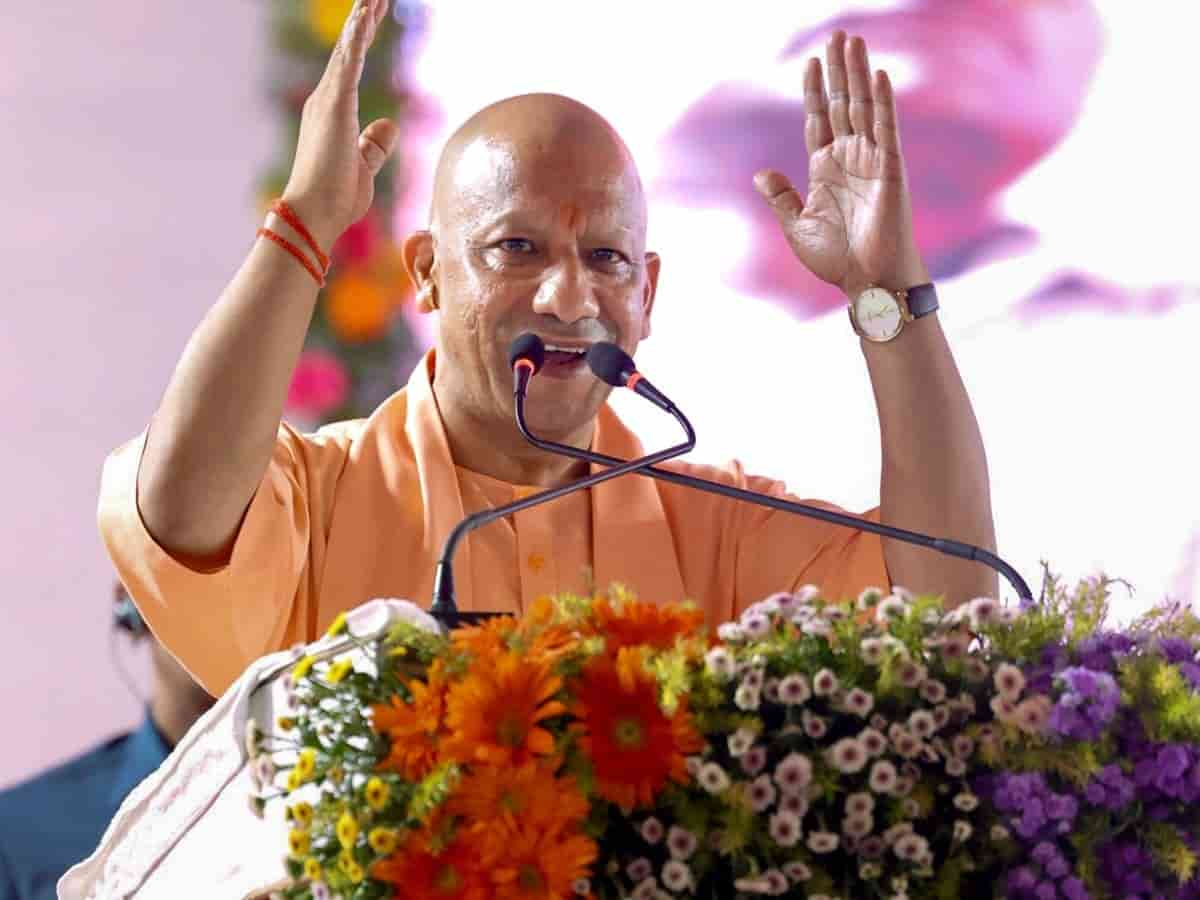
With Uttar Pradesh gearing up for its high-stakes 2027 Assembly elections, the political temperature between the ruling Bharatiya Janata Party (BJP) and the opposition Samajwadi Party (SP) has surged over a potential heavyweight showdown in Ayodhya. Addressing a public gathering in Gorakhpur on Thursday, November 19, 2026, Chief Minister Yogi Adityanath threw down a direct electoral gauntlet to Samajwadi Party president Akhilesh Yadav, daring him to contest the upcoming state polls from the sacred temple town. Adityanath declared that if Yadav files his nomination from the Ayodhya assembly constituency, he will personally file his nomination from the very same seat to ensure a direct, head-to-head battle. Launching a sharp attack on the opposition leader’s political strategy, the Chief Minister remarked that Yadav lacks the courage to fight face to face, adding that a weak opponent always chooses to strike from behind rather than entering the electoral arena directly.
What Sparked the Ayodhya Electoral Challenge Between Yogi and Akhilesh?
The latest war of words stems from a political challenge issued earlier by Akhilesh Yadav ahead of the 2027 Uttar Pradesh legislative assembly cycle. Pointing to the BJP’s defeat in the Faizabad Lok Sabha constituency during the 2024 general elections, the Samajwadi Party chief had publicly taunted the Chief Minister, claiming that the ruling party was struggling to find a strong candidate for the Ayodhya assembly segment. Yadav challenged Adityanath to prove his confidence in his government’s development claims by contesting from Ayodhya himself. When Adityanath initially countered in October 2026 by offering a mutual nomination in Shri Ayodhya Dham, Yadav brushed off the suggestion on social media, stating that a young sentinel from his ‘PDA’ (Pichhda, Dalit, Alpsankhyak) coalition—with the party already backing Tej Narayan Pandey—was more than enough to defeat the BJP in the constituency.
Key Highlights From CM Yogi Adityanath’s Speech in Gorakhpur
Speaking at the foundation stone-laying ceremony of Uttar Pradesh’s first Forestry and Horticulture University in Campierganj, Gorakhpur, Adityanath revived the Ayodhya dare while framing the 2027 election as a decisive choice between law and order and past misgovernance. The Chief Minister used the platform to mount a broad offensive against the Samajwadi Party’s governance track record and campaign style:
-
Direct Electoral Dare: Adityanath challenged Yadav to stop fighting through proxies and step into the ring himself in Ayodhya, asserting that the democratic battleground for 2027 is set for a direct confrontation.
-
Attack on Law and Order: The Chief Minister accused the Samajwadi Party of historically sheltering criminal networks and mafia elements, warning that his administration would not hesitate to crush any attempt to revive mafiagiri or street disorder in the state.
-
Employment and Public Safety: Adityanath alleged that previous SP administrations obstructed youth employment opportunities and compromised the safety of women and local traders, contrasting it with his government’s infrastructure and investment push in eastern Uttar Pradesh.
Why Ayodhya Holds Symbolic Weight in the 2027 Uttar Pradesh Elections
Beyond the immediate rhetorical sparring, Ayodhya has emerged as the defining political and symbolic battleground ahead of the 2027 Uttar Pradesh polls. For the BJP, retaining and consolidating support in the temple city is central to its governance and cultural narrative following massive state-led infrastructure overhauls and the consecration of the Ram Temple. Conversely, the Samajwadi Party is working aggressively to replicate its 2024 parliamentary momentum in the region by combining its PDA social engineering formula with local civic issues, land acquisition debates, and Yadav’s own planned visit to the Ram Temple. While neither leader has formally locked in their final constituency for 2027, Adityanath’s latest challenge ensures that Ayodhya will remain the focal point of Uttar Pradesh’s political discourse in the months leading up to polling day.