North India Statesman
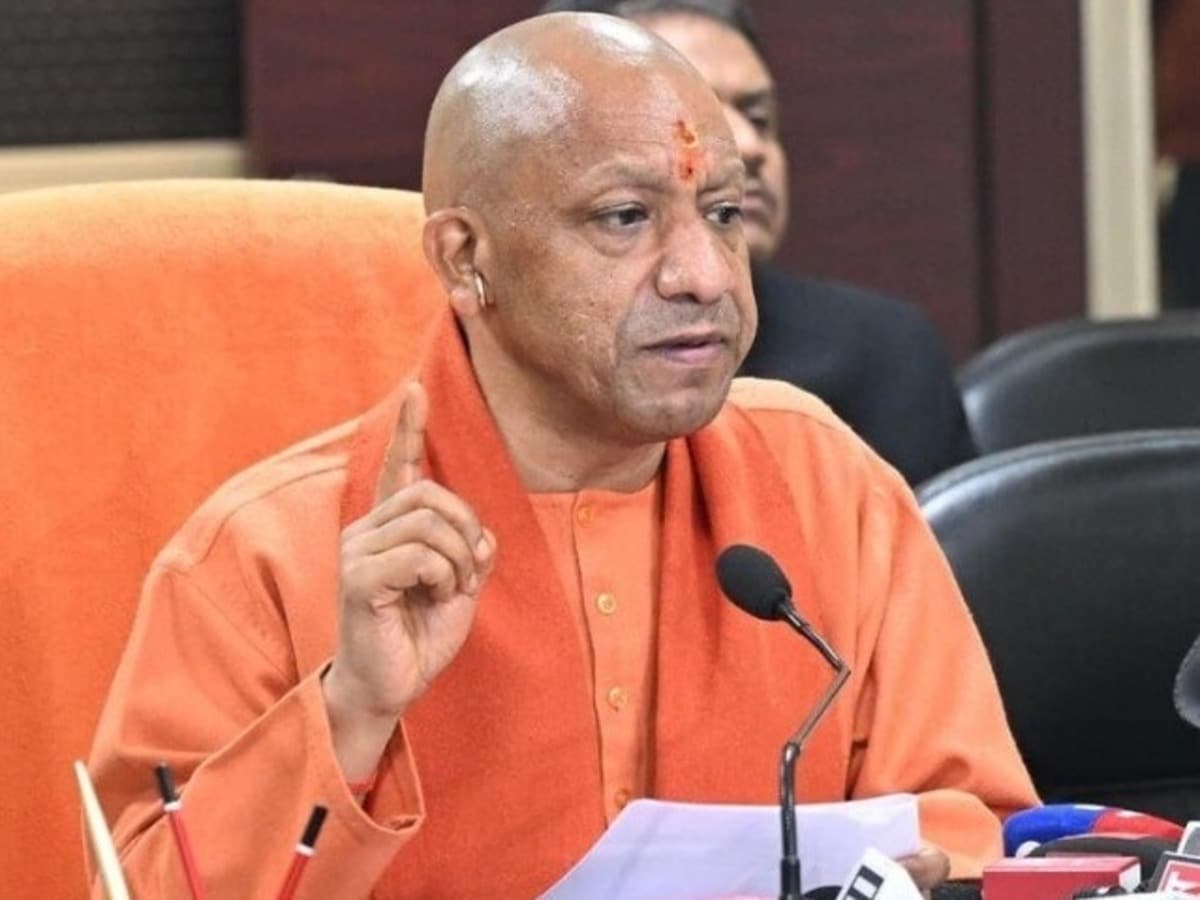
Rural local body elections across Uttar Pradesh are set to be deferred further, as Chief Minister Yogi Adityanath’s government prepares to introduce a key legislative ordinance amending the state’s Panchayati Raj law. Ahead of a crucial state cabinet meeting scheduled for Wednesday evening, November 18, 2026, at the Chief Minister’s official residence in Lucknow, administrative sources indicate that the cabinet is poised to clear the Uttar Pradesh Panchayat Raj (Amendment) Ordinance, 2026. The primary objective of the ordinance is to extend the tenure of outgoing village heads (Gram Pradhans)—who have been serving as government-appointed administrators across 57,694 Gram Panchayats—by another six months. Because their initial six-month administrative term expires on November 26, 2026, and existing law caps administrator appointments at half a year, the state government must amend the Uttar Pradesh Panchayat Raj Act, 1947 before elections can be held. Alongside the panchayat ordinance, Wednesday’s cabinet agenda includes major policy decisions covering Waqf property management, regional air connectivity, and women’s welfare.
Why the Yogi Government Is Extending Village Administrators’ Terms
The impending ordinance stems directly from a looming administrative deadline in rural governance across all 75 districts of Uttar Pradesh. When the regular five-year tenure of Uttar Pradesh’s three-tier panchayats concluded earlier in 2026 without fresh polls being completed, the state government appointed outgoing Gram Pradhans as interim administrators across 57,694 Gram Panchayats to ensure uninterrupted village-level development work and fund disbursal. Under current provisions of the Uttar Pradesh Panchayat Raj Act, 1947, an administrator’s appointment cannot exceed six months. With that statutory window closing on November 26, 2026, failure to amend the law would create an immediate governance vacuum in tens of thousands of villages. By approving the Uttar Pradesh Panchayat Raj (Amendment) Ordinance, 2026, in Wednesday’s cabinet meeting and sending it for gubernatorial assent, the state government will legally empower existing administrators—alongside the state’s Dedicated Backward Classes Commission—to continue functioning for an additional six months.
Legal and Logistical Hurdles Behind the Panchayat Poll Delay
The move to defer the three-tier panchayat elections unfolds against a complex backdrop of judicial directives, administrative bottlenecks, and electoral overlap. On October 14, 2026, a division bench of the Allahabad High Court had directed the State Election Commission to complete the panchayat election process within three months, setting an indicative mid-January 2027 deadline. However, senior officials point out that several foundational prerequisites remain unfinished. Most notably, the Dedicated Backward Classes Commission is still finalizing its empirical survey and report required to determine Other Backward Classes (OBC) seat reservations in compliance with Supreme Court guidelines. Furthermore, on October 28, 2026, the state cabinet notified strict new rules mandating at least six months of continuous residence in a village for voter registration, triggering extensive verification of rural electoral rolls. Holding massive rural elections involving over 12 crore voters—which typically require 30 to 45 days and heavy deployment of state police and civil staff—right alongside preparations for the early 2027 Uttar Pradesh Legislative Assembly elections has also been flagged by administrators as logistically unfeasible.
Major Proposals on the November 18 Cabinet Agenda
Beyond the Panchayati Raj ordinance, Wednesday evening’s cabinet meeting in Lucknow is expected to clear several high-impact governance and welfare proposals:
-
Unified Waqf Management Rules: The cabinet is set to review and approve the Uttar Pradesh Unified Waqf Management, Efficiency and Development Rules, aimed at streamlining administrative oversight and clearing illegal encroachments from Waqf properties across the state.
-
Rani Laxmibai Mahila Samman Kosh Rules, 2026: Under the state’s women empowerment mission, ministers are likely to approve updated 2026 guidelines replacing the 2015 framework to expedite financial assistance and legal relief for women and children who are victims of heinous crimes.
-
Modified UDAN Air Connectivity MoU: To boost regional aviation infrastructure and connect smaller cities in Uttar Pradesh to major economic hubs, the cabinet will consider signing a Memorandum of Understanding under the next phase of the central government’s Modified Regional Connectivity Scheme (UDAN).
Political Reactions and What Comes Next for Rural Voters
The prospect of pushing panchayat polls past the 2027 Assembly elections has sparked sharp political debate across Uttar Pradesh. Opposition leaders from the Samajwadi Party and Congress have accused the ruling Bharatiya Janata Party of deliberately postponing grassroots elections out of concern that rural local body results could mirror wider anti-incumbency sentiment ahead of the Vidhan Sabha battle. Conversely, state cabinet ministers—including Panchayati Raj Minister Om Prakash Rajbhar and Labour Minister Anil Rajbhar—have maintained that the administration is committed to conducting transparent, legally sound elections once OBC reservation formalities and updated voter lists are completed without constitutional flaws. Once the cabinet clears the ordinance on November 18 and secures the Governor’s signature before November 26, rural governance in Uttar Pradesh will remain under extended administrative stewardship, shifting the state’s immediate electoral focus squarely toward the high-stakes 2027 Assembly polls.