North India Statesman
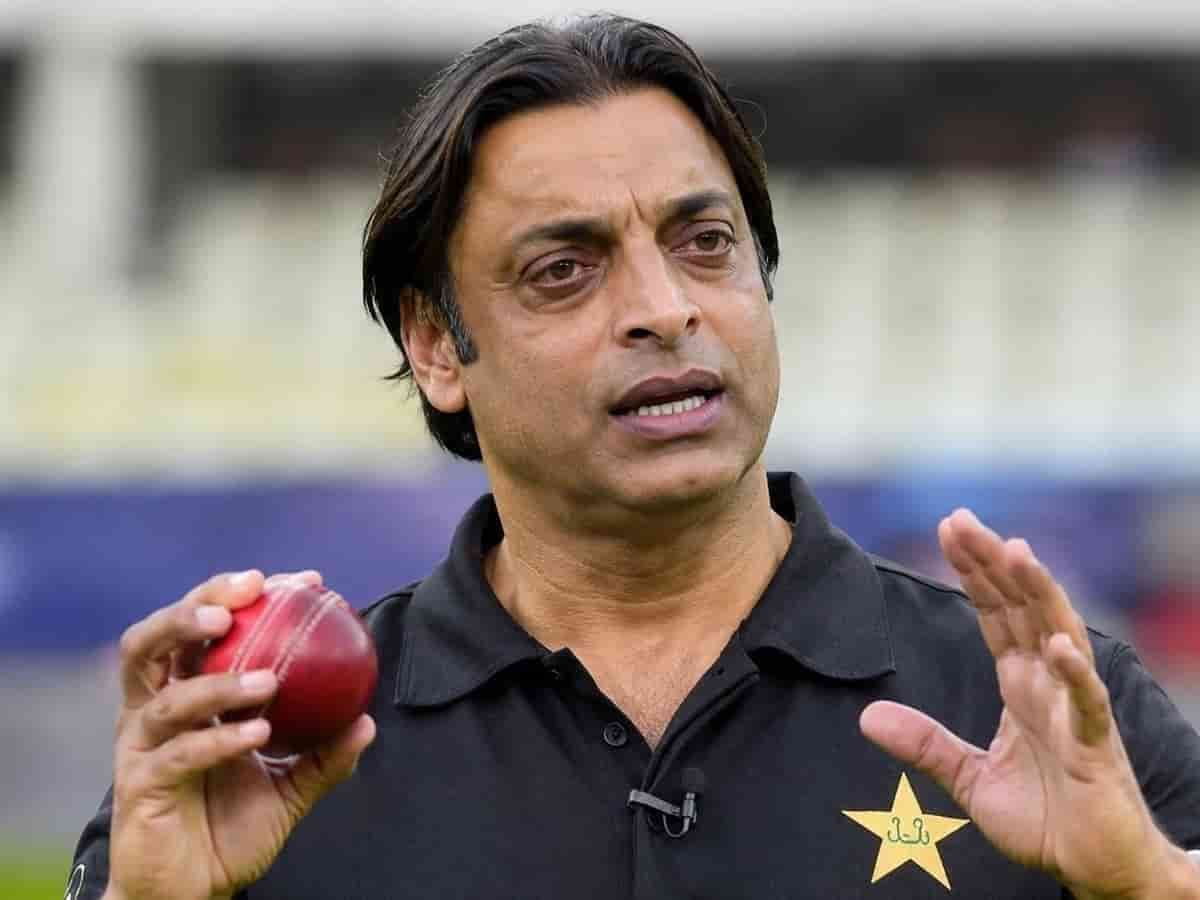
Former Pakistan fast bowler Shoaib Akhtar has ignited a fresh debate across the cricketing world after candidly admitting that the Pakistan national team routinely used bottle caps to alter the condition of cricket balls during tours of England. Speaking on Wisden’s The Scoop podcast in an episode released in mid-November 2026, the retired speedster—who claimed 444 international wickets across formats between 1997 and 2011—made the startling confession while reacting to renewed scrutiny surrounding Australia’s infamous 2018 “Sandpapergate” scandal. Urging fans and commentators to stop making a “huge fuss” over recent memoir claims by former Australian batter Usman Khawaja, Akhtar argued that altering the ball to generate reverse swing was once an open secret across international dressing rooms. Drawing a blunt comparison between Australia’s 2018 Cape Town controversy and his own playing era, Akhtar remarked that Pakistan did not rely on sandpaper in English conditions—they used bottle tops instead.
What Did Shoaib Akhtar Say About Ball Tampering in England?
During his unfiltered conversation with host Phil Walker on The Scoop, Akhtar dismissed the notion that ball tampering was ever the isolated act of one or two rogue players. Responding to Khawaja’s assertion in his memoir Sabr that the entire Australian Test squad knew about the plan to rough up the ball in South Africa, Akhtar said the claim sounded entirely plausible because such tactics were almost always collective team practices. “Mate, come on. Let go of it now. Why are you making a huge fuss out of this? I understand it’s damage to cricket. It damaged our cricket too. We used to use bottle tops, not sandpaper, back in England. We used to change the balls and do all sorts of things,” Akhtar stated plainly. At the same time, the Rawalpindi Express criticised Khawaja for publicly naming and implicating former teammates. Akhtar noted that while he witnessed plenty of questionable conduct by his own former teammates and rival players during his career—remarking that he sometimes felt like he was playing against “22 guys” because everyone was under scrutiny—he refused to throw former dressing-room colleagues under the bus.
How Bottle Caps Were Used to Generate Reverse Swing in Cricket
For cricket followers in India, Pakistan, and England, Akhtar’s mention of bottle tops points directly to the art and controversy of reverse swing—a weapon pioneered by Pakistani pace legends in the late 1980s and 1990s. Under Marylebone Cricket Club (MCC) Laws of Cricket, fielders are permitted to polish one side of the ball using natural sweat (saliva was permanently banned in 2022) to keep it smooth and shiny, while allowing the other side to wear naturally. When one hemisphere of a leather ball becomes rough and scuffed while the opposite side remains glossy, differential air pressure causes the ball to dip and swing late toward the shiny side at high speeds—an effect notoriously difficult for batters to read. Using metallic or serrated bottle caps to artificially scuff one side of the Dukes or Kookaburra ball accelerated that wear-and-tear process, allowing fast bowlers like Akhtar to extract sharp late movement even on flat pitches or in overcast English conditions.
Shoaib Akhtar’s Past Disciplinary Record and Views on Modern Cricket
Akhtar’s latest admission adds new context to a playing career frequently punctuated by regulatory run-ins with the International Cricket Council (ICC):
-
Harare Reprimand (November 2002): Match referee Clive Lloyd officially reprimanded Akhtar for scratching the surface of the ball during the opening Test against Zimbabwe in Harare, though the pacer avoided a match suspension.
-
Dambulla Ban (May 2003): Six months later, during a One-Day International against New Zealand in Dambulla, Sri Lanka, Akhtar was handed a two-ODI suspension and fined 75 per cent of his match fee after match officials found him guilty of illegally altering the condition of the ball.
Beyond revisiting past controversies, Akhtar used the podcast appearance to lament the current state of fast bowling and Pakistan cricket. He argued that modern ICC playing conditions—particularly the use of two new white balls in One-Day Internationals—have tilted the contest heavily in favour of batters and effectively killed off reverse swing. Adding that cricket in Pakistan has been declining for two decades due to weak domestic structures and a lack of aggressive pace prospects, Akhtar reiterated that he has no intention of entering Pakistan Cricket Board (PCB) administration, honouring a promise made to his mother to stay away from cricket politics. While his remarks are unlikely to trigger fresh ICC sanctions decades after his retirement, Akhtar’s candid confession has once again spotlighted how thin the line between reverse-swing mastery and illegal tampering was during cricket’s pre-HD camera era.