North India Statesman
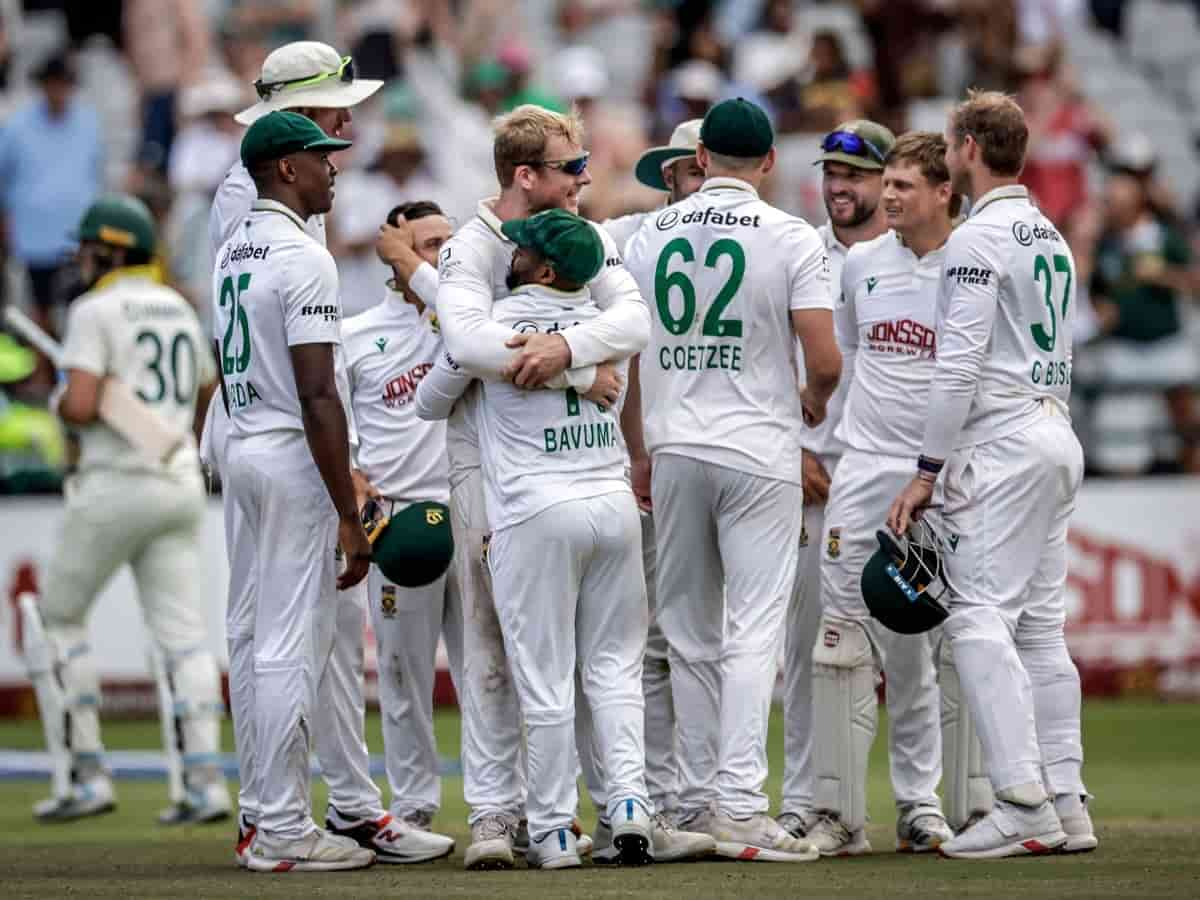
South Africa Test captain Temba Bavuma has etched his name into the cricket record books, surpassing former Australian skipper Lindsay Hassett to become the most successful captain in Test history after his first 16 matches in charge. Bavuma achieved the historic milestone on Thursday, November 19, 2026, after guiding the Proteas to a commanding nine-wicket victory over Bangladesh in the opening Test at the DP World Wanderers Stadium in Johannesburg. With the triumph, Bavuma lifted his remarkable leadership tally to 14 wins, one draw, and just a single defeat across his first 16 Test appearances as skipper. Entering the Johannesburg fixture tied with Hassett on 13 victories from 15 Tests, the 36-year-old South African leader moved clear of the Australian great, whose 1952–53 record had stood unmatched for more than seven decades.
How Temba Bavuma Surpassed Lindsay Hassett’s All-Time Benchmark
In over 149 years of international Test cricket, no captain has enjoyed a more prolific opening run of 16 matches than Temba Bavuma. Heading into the two-match home series against Bangladesh, Bavuma and Lindsay Hassett shared the identical statistical line of 13 wins, one loss, and one draw after 15 Tests at the helm. Remarkably, history offered an intriguing parallel: Hassett suffered defeat in his 16th Test as captain against South Africa in Melbourne during the 1952–53 season and managed only one further win across his final nine matches. Bavuma ensured there would be no repeat of that stumble at the Wanderers, steering South Africa to a 1–0 series lead while pulling well ahead of modern and historical greats.
| Captain | Team | Matches | Wins |
| Temba Bavuma | South Africa | 16 | 14 |
| Lindsay Hassett | Australia | 16 | 13 |
| Bill Woodfull | Australia | 16 | 11 |
| Steve Waugh | Australia | 16 | 11 |
| Ricky Ponting | Australia | 16 | 11 |
| Ben Stokes | England | 16 | 11 |
Inside South Africa’s Nine-Wicket Triumph Over Bangladesh in Johannesburg
South Africa’s latest victory at the Wanderers showcased both batting depth and relentless pace bowling after Bangladesh initially threatened an upset. Batting first, the visitors posted a competitive 400 in 101.2 overs, anchored by superb centuries from Towhid Hridoy and wicketkeeper-batter Litton Das. In reply, the Proteas mounted a massive total of 557 to seize a decisive 157-run first-innings lead. Opener Marques Ackerman set the tone with a fluent 157, supported by Zubayr Hamza’s 83 and a crisp fourth Test century (102) from Ryan Rickelton.
Bavuma himself displayed immense grit during the innings. Forced to retire hurt on 49 on the third day due to restricted movement, the South African skipper returned to the crease on Day 4 and compiled a vital unbeaten 68 off 138 deliveries. Alongside fast bowler Kagiso Rabada—who hammered 72 off lower-order overs in a 117-run eighth-wicket stand with Rickelton before taking an eight-wicket match haul to earn Player of the Match honours—Bavuma ensured South Africa batted Bangladesh out of the contest. Spearheaded by Rabada, Marco Jansen, and off-spinner Simon Harmer, the Proteas dismantled Bangladesh’s second innings and knocked off the modest target for the loss of just one wicket.
What Makes Temba Bavuma’s Test Captaincy Run So Extraordinary?
What elevates Bavuma’s achievement beyond raw statistics is the calibre of opposition South Africa has defeated during his tenure. Rather than padding numbers against weaker sides, Bavuma has led the Proteas to landmark triumphs across diverse conditions—including lifting the World Test Championship title, winning two Tests on Indian soil last year, and clinching a 2–1 home series victory against Australia just last month. Combining calm tactical judgement, resilient middle-order batting, and an empowered fast-bowling battery, Bavuma has transformed South Africa into one of world cricket’s most formidable red-ball outfits. As the Proteas prepare for the second Test against Bangladesh, Bavuma not only stands alone atop cricket’s 16-Test captaincy leaderboard, but also continues to redefine modern South African leadership on the global stage.