North India Statesman
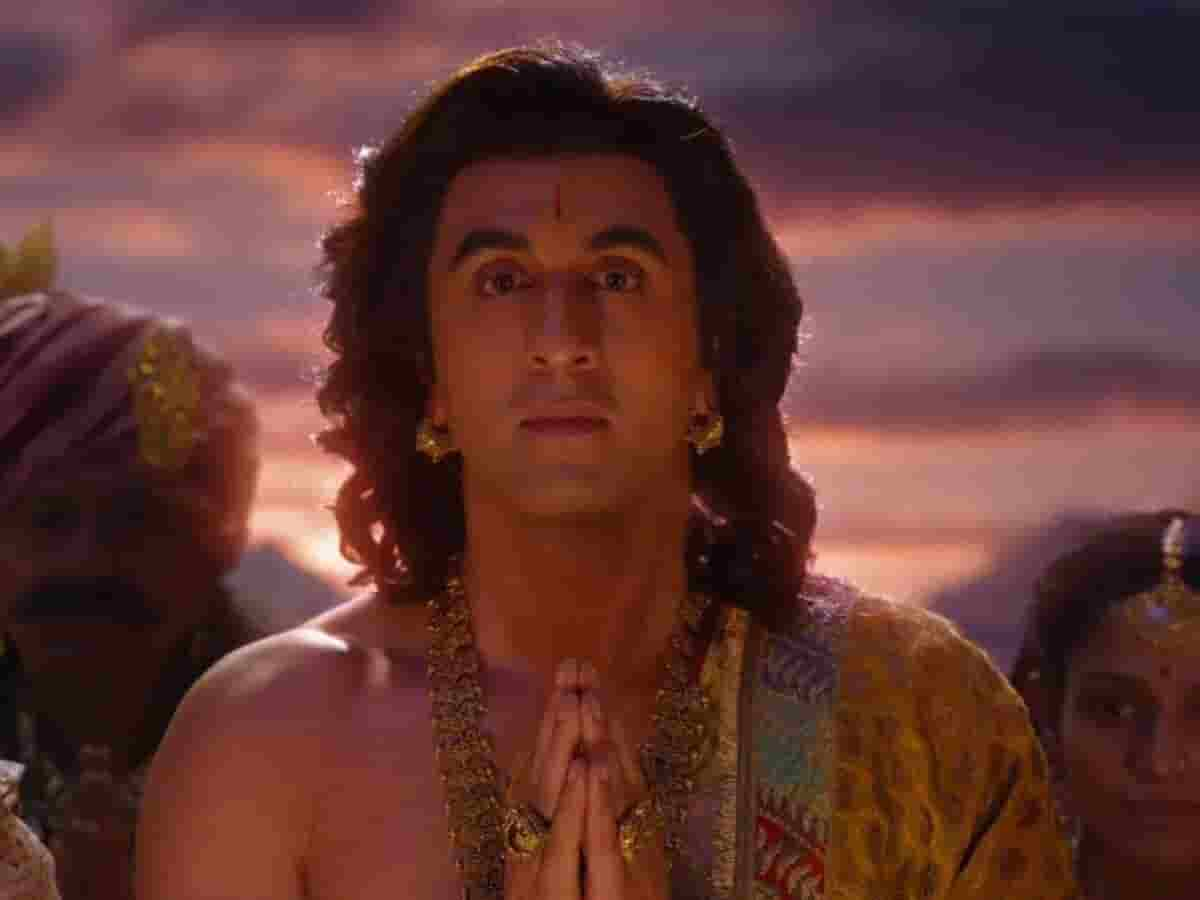
Movie buffs and families across India who had been waiting for cinema ticket prices to cool down before watching Nitesh Tiwari’s magnum opus Ramayana: Part 1 finally have reason to celebrate. Starting Friday, November 20, 2026—marking the sixteenth day of the film’s theatrical run—distributors and exhibition chains nationwide have officially slashed ticket rates for standard screenings. When the Ranbir Kapoor, Yash, and Sai Pallavi starrer hit theatres on November 5, sky-high “Blockbuster” pricing pushed regular multiplex seats past ₹500 and luxury recliners in metro hubs above ₹3,000, sparking widespread debate on social media. Now, with the epic mythological drama crossing ₹1,032 crore gross in India and standing just ₹41 lakh shy of the historic ₹800 crore nett club, the makers have rolled out a revised pricing structure designed to welcome family audiences and repeat viewers into theatres during its third weekend.
How Much Will 2D and 3D Shows of Ramayana Cost Now?
According to trade insiders and exhibition circulars issued to multiplex chains and single-screen theatres across the country, cinemas are no longer required to enforce “Blockbuster” or “Popular” pricing tiers for standard formats from November 20 onward. Instead, exhibitors have been authorized to sell tickets for both 2D and 3D versions at Regular Weekend rates. For viewers opting for the 3D experience, theatres will simply add the standard applicable 3D glass and equipment surcharge on top of the base regular ticket price. In practical terms, this adjustment brings immediate relief to household entertainment budgets across tier-1 and tier-2 cities. In Delhi-NCR, for instance, 2D tickets at INOX Odeon in Connaught Place now start at ₹199 for Gold seats and ₹399 for Platinum categories. At Cinepolis Pacific NSP2 in New Delhi, standard seats are priced at ₹250, Executive tickets at ₹300, Premium at ₹320, and Premium XL at ₹360, while PVR Select City Walk offers Classic Normal seats at ₹310 and Superior seats at ₹340. Across Mumbai, Bengaluru, Hyderabad, Chennai, Kolkata, and Lucknow, regular 2D tickets now broadly fall within the ₹150 to ₹450 bracket depending on show timings and seating tiers, making a weekend family outing dramatically more affordable than during opening week.
Why Are IMAX and Special Format Tickets Still Priced Higher?
While standard 2D and 3D shows have moved into the budget-friendly regular bracket, audiences looking to experience Ramayana on giant screens or motion-enabled auditoriums will still need to shell out a premium. Exhibition sources confirm that IMAX, 4DX, MX4D, ScreenX, and Dolby Atmos auditoriums continue to witness extraordinary occupancy across major metropolitan centers because viewers want to experience the film’s ₹4,000-crore visual scale and Hans Zimmer–AR Rahman musical score in the richest possible format. Consequently, distributors have instructed cinema chains to apply Popular Weekend rates for IMAX and other special formats on Friday, November 20, before stepping up to Blockbuster Weekend rates on Saturday, November 21, and Sunday, November 22. Even so, these revised weekend slabs represent a noticeable breather compared to the opening weekend surge, when evening IMAX 3D recliners at Mumbai’s PVR ICON Lower Parel peaked at ₹3,170. Currently, standard IMAX 3D tickets across metro multiplexes range between ₹530 and ₹1,400 depending on the city and seat location, while 4DX 3D screenings hover between ₹900 and ₹1,500.
Will There Be a Special Tuesday Discount Offer on November 24?
Beyond the weekend rate revision, cinema-goers are also keeping a close eye on whether Ramayana will participate in the Indian film industry’s popular discounted Tuesday cinema initiative next week. Several multiplex operators have indicated that discounted Tuesday pricing—under which tickets across participating chains are offered at heavily reduced flat rates—is tentatively expected to apply on Tuesday, November 24. However, trade analysts emphasize that no formal nationwide circular has been locked in yet. The film’s producers and distribution partners plan to evaluate footfall and occupancy trends over the November 20–22 weekend before giving exhibitors the final green light for Tuesday promotions. If regular weekend rates succeed in driving packed houses across family-oriented matinee and evening shows, the makers may tailor mid-week pricing selectively across key circuits.
Why Did the Makers Slash Ramayana Ticket Prices Despite Record Collections?
In the film trade, mid-run price cuts are sometimes misread as a sign of slowing momentum, yet box office numbers tell the exact opposite story for Ramayana: Part 1. Directed by Nitesh Tiwari and featuring Ranbir Kapoor as Lord Ram, Sai Pallavi as Sita, Yash as Ravana, Sunny Deol as Hanuman, and Ravi Dubey as Lakshmana, the film has shattered nearly every post-pandemic theatrical benchmark since its November 5 debut. By the end of Day 14 on Wednesday, November 18, the pan-India spectacle had accumulated an astonishing ₹799.59 crore nett across Hindi, Tamil, Telugu, Kannada, and Malayalam versions. Following a steady ₹19.35 crore nett collection on Day 15 (Thursday, November 19), the film’s worldwide gross surged past ₹1,547 crore, with domestic Indian gross crossing ₹1,032 crore. Trade experts point out that reducing standard ticket rates at this juncture is a classic, well-calculated exhibition strategy rather than a rescue measure. High opening-week prices capture maximum revenue from die-hard fans eager to watch the spectacle first. Once that initial wave settles in the third week, lowering 2D and 3D prices unlocks a massive second wave of multi-generational Indian families, senior citizens, and repeat viewers who previously balked at spending ₹2,500 to ₹3,000 for a group of four.
Smart Tips to Book Cheaper Ramayana Tickets Online This Weekend
If you are planning to catch Ramayana in theatres over the next few days, a few smart booking choices can maximize your savings without sacrificing viewing comfort. First, compare standard 2D and 3D listings across nearby properties on ticketing platforms like BookMyShow and District, as regular weekend rate bands allow individual multiplexes to price morning and early afternoon shows significantly lower than prime night screenings. Second, if you are booking for a large family group, standard 2D screenings eliminate the ₹100 to ₹150 per-ticket 3D surcharge while delivering crisp brightness and clarity. Third, check bank credit card and UPI promotional offers on booking apps, which frequently offer buy-one-get-one deals or instant cashback on weekend entertainment bookings. With standard prices finally back to earth and major competition still a week away, this weekend offers the best window yet to experience Indian cinema’s biggest mythological spectacle on the big screen.