North India Statesman
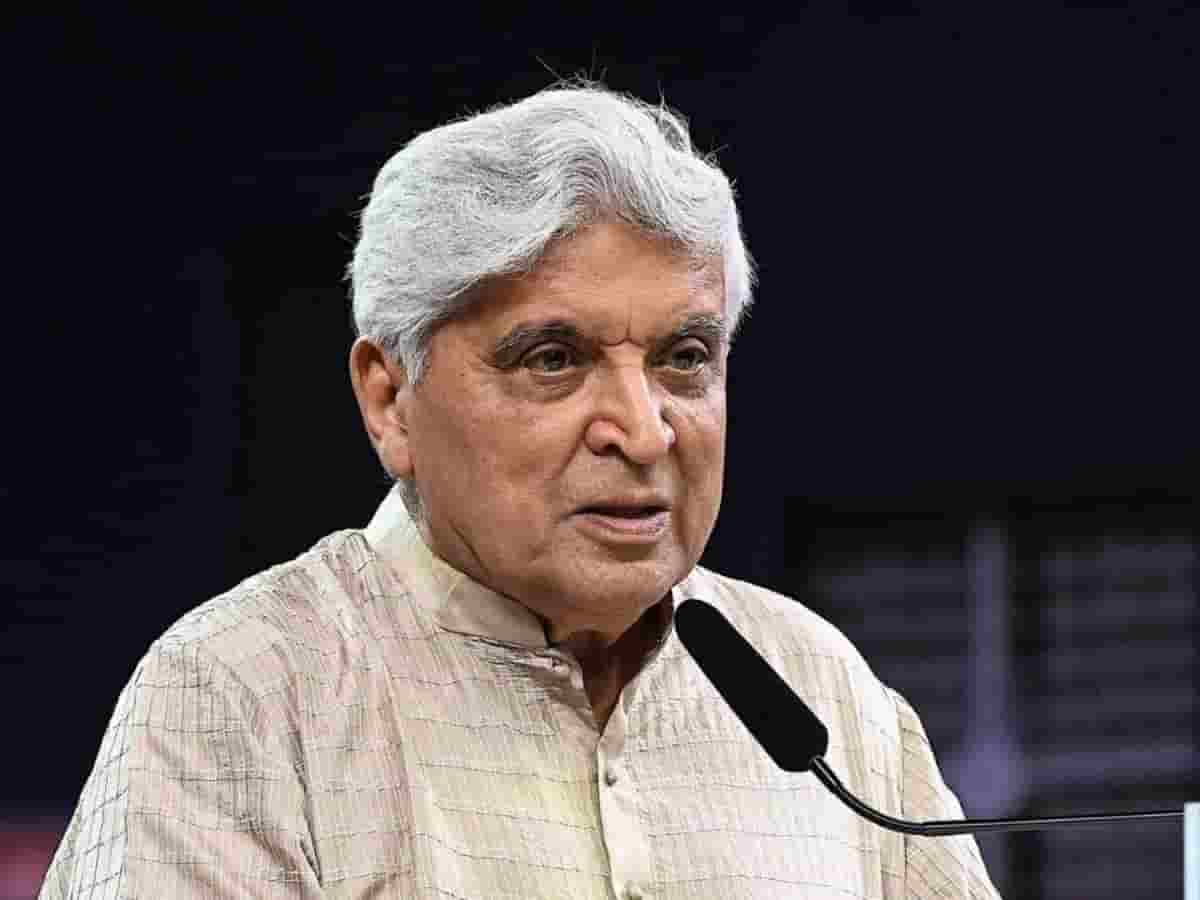
Few moments in modern India-Pakistan cultural history have generated as much shock, applause, and cross-border debate as veteran lyricist and screenwriter Javed Akhtar’s unfiltered address on Pakistani soil. When the celebrated Indian poet travelled to Lahore to attend the renowned Faiz Festival, few anticipated that a literary gathering would turn into a defining geopolitical talking point. Sitting before a packed auditorium at the Alhamra Arts Council, Akhtar looked directly at his hosts and reminded them that the perpetrators who came to burn Mumbai during the November 26, 2008 terror attacks were still roaming freely in Pakistan. For several seconds, an unmistakable silence hung over the hall as the weight of his words sank in. Clips of that exchange have periodically resurfaced across social media platforms and Indian news discussions, drawing renewed praise from citizens in Mumbai, New Delhi, Bengaluru, and across the country who view his candour as a rare display of courage on foreign turf.
What Did Javed Akhtar Actually Say on Pakistani Soil?
The exchange unfolded during an interactive session at the Faiz Festival in Lahore, an annual cultural event celebrating the legacy of legendary Urdu poet Faiz Ahmad Faiz. During the question-and-answer segment, a member of the Pakistani audience urged Akhtar to carry a message of peace and goodwill back to India, suggesting that ordinary Indians harboured misconceptions about Pakistan. Rather than offering routine diplomatic pleasantries, Akhtar chose to address the elephant in the room with measured, unmistakable clarity. He began by pointing out the stark asymmetry in cultural exchange between the two neighbours. Akhtar reminded the audience that India had repeatedly hosted grand functions for iconic Pakistani artists such as Nusrat Fateh Ali Khan and Mehdi Hasan, whereas Pakistan had never organized a single concert for Bharat Ratna recipient Lata Mangeshkar. Moving swiftly from cultural reciprocity to national security, the veteran writer stated that blaming each other would solve nothing, yet the core grievance could not be brushed aside. Speaking in crisp Hindi and Urdu, he remarked that the atmosphere had grown bitter because Indians had witnessed the devastation of Mumbai with their own eyes, adding plainly that those who attacked Mumbai were not from Norway or Egypt, and that those people were still roaming freely in Pakistan. If there is anger in the hearts of Indians, he concluded, Pakistanis should not complain about it.
How Did the Audience and Pakistan React to the Statement?
Inside the Lahore auditorium, the immediate reaction to Javed Akhtar’s words was a mixture of stunned silence and hesitant applause from sections of the crowd, many of whom appeared visibly taken aback by the bluntness of their guest. While some attendees clapped in acknowledgement of his honesty, the broader fallout across Pakistan once the video went viral online was swift and fierce. Within hours of the clip circulating on X, YouTube, and regional television channels, several prominent Pakistani actors, musicians, and commentators expressed dismay over Akhtar’s remarks, arguing that he had embarrassed his hosts after receiving warm hospitality in Lahore. Some entertainment figures went so far as to demand apologies or question why Indian artists were invited to Pakistani literary festivals at all. Conversely, across India, the reaction was overwhelmingly laudatory. Political leaders, film industry colleagues, defence veterans, and everyday citizens hailed Akhtar for speaking truth to power without flinching, noting that many public figures tend to soften their tone when visiting neighbouring nations. For residents of Mumbai—a city forever scarred by the 60-hour siege in November 2008 that claimed 166 innocent lives—hearing an Indian cultural icon state the facts directly in Lahore struck a deeply emotional chord.
Why Does Javed Akhtar’s Remark Resonate Even Today?
Even years after the event first took place, the viral footage continues to resurface whenever discussions turn toward bilateral relations, cross-border terrorism, or the participation of Pakistani artists in Indian cinema and music. In the run-up to the annual remembrance of the 26/11 Mumbai terror attacks, social media users routinely share the clip as a benchmark for how public intellectuals should represent national sentiment abroad. Analysts who track South Asian diplomacy note that Akhtar’s intervention stood out precisely because it was neither scripted nor delivered from the safety of a television studio in Mumbai or Delhi. By articulating India’s core security concern directly to civil society in Lahore, he bridged the gap between high-level diplomatic dossiers and everyday public emotion. Moreover, his refusal to walk back or dilute his statement upon returning to India further reinforced its credibility. In subsequent media interviews in Mumbai, Akhtar maintained that his words were neither aggressive nor intended to insult ordinary citizens, emphasizing instead that genuine peace between two neighbours requires acknowledging uncomfortable truths rather than pretending they do not exist.
Javed Akhtar’s Unfiltered Stance on Art, Politics, and Patriotism
Throughout a career spanning more than five decades, Javed Akhtar has never been one to shy away from contentious public debates. Whether co-writing landmark Hindi cinema classics like Sholay and Deewaar, penning soulful lyrics, or serving as a Member of Parliament in the Rajya Sabha, he has consistently positioned himself as a vocal defender of constitutional values, free expression, and national integrity. Critics from across the ideological spectrum have frequently targeted him at home for his outspoken views on politics and society, yet his Lahore address united voices across party lines in appreciation. Observers point out that his fluency in Urdu literature and deep familiarity with shared cultural heritage gave his critique added moral force in Pakistan, making it impossible for hosts to dismiss him as someone unfamiliar with the region’s history. Ultimately, the enduring popularity of that viral moment underscores a simple reality in public life: audiences respect authenticity. By standing firm on the memory of Mumbai while sitting in the heart of Lahore, Javed Akhtar delivered one of the most memorable, unscripted statements in contemporary Indian public discourse—a moment where silence in the hall spoke louder than a thousand diplomatic communiqués.