North India Statesman
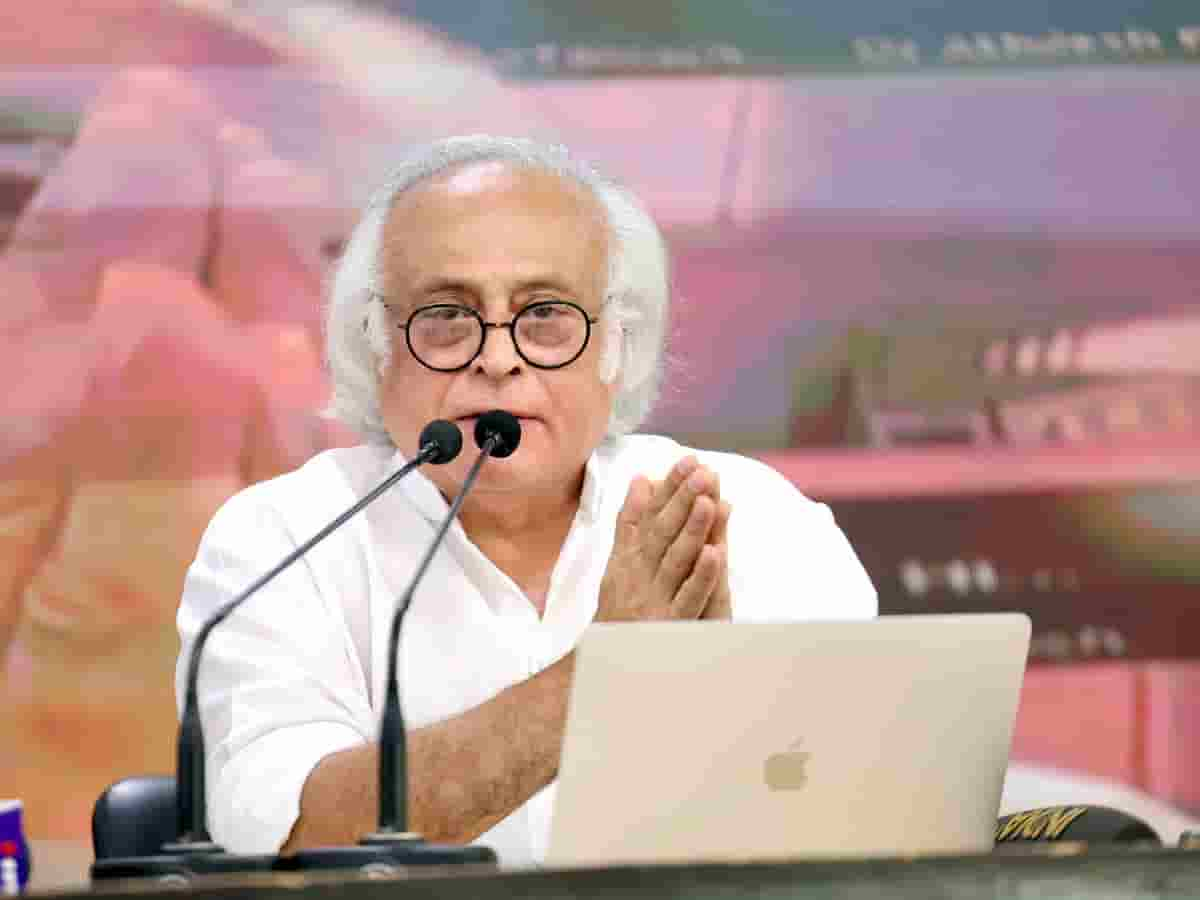
Fresh political heat has engulfed New Delhi ahead of Parliament’s upcoming winter calendar as speculation mounts that the central government could soon introduce a revised legislative push on delimitation. Addressing reporters on Friday, November 20, 2026, senior Congress leader and AICC General Secretary Jairam Ramesh laid down a firm marker on behalf of the opposition, insisting that the existing strength of the Lok Sabha should not be increased. Framing the party’s stance around four clear demands backed by the broader INDIA bloc, Ramesh accused the Centre of maintaining complete silence and failing to initiate consultations with opposition parties or even several allies within the ruling National Democratic Alliance (NDA). With the Monsoon Session of Parliament technically still alive—having been adjourned sine die on August 13 without being prorogued—opposition leaders suspect the government could summon an extended or special sitting on short notice to revive constitutional changes linking constituency redrawing with women’s reservation.
What Are the Four Demands Raised by Congress and the INDIA Bloc?
Speaking to the media in the national capital, Jairam Ramesh outlined four non-negotiable conditions that the Congress and its alliance partners want the Centre to accept before moving any delimitation legislation. First, the opposition demands that the current strength of the Lok Sabha remain unchanged at 543 elected seats, rejecting proposals to expand the Lower House to 850 members. Second, the party insists that the existing state-wise distribution of Lok Sabha seats across India must not be altered, ensuring no state loses its proportional political voice in Parliament. Third, Congress has called for the immediate implementation of the Women’s Reservation Act—granting 33% reservation to women in the Lok Sabha and state assemblies—within the current parliamentary framework, rather than keeping it contingent on a future Census and delimitation exercise. Fourth, the opposition wants the existing arrangement governing both the total strength and state-wise allocation of Lok Sabha seats to be frozen for the next 25 years. According to Ramesh, these four points represent a unified consensus across INDIA bloc constituents, including the Dravida Munnetra Kazhagam (DMK) and the Nationalist Congress Party (Sharadchandra Pawar).
Why Is There Renewed Speculation Over a Delimitation Bill in Parliament?
The political spotlight returned sharply to delimitation this week following unusual parliamentary scheduling and statements from regional leaders. Earlier in April 2026, the Centre had introduced the Constitution (131st Amendment) Bill alongside the Delimitation Bill, 2026, seeking to link the rollout of the women’s quota with a fresh redrawing of constituencies—a move that was defeated in the Lok Sabha amid fierce opposition resistance. Since then, the government has kept the Monsoon Session unprorogued since August 13, a procedural detail that allows the administration to reconvene both Houses with just two days’ notice instead of the customary 14-day notice required for a fresh session. Compounding the suspense, uncertainty hangs over whether a conventional Winter Session will take place in early December, reviving memories of 1975, 1979, 1984, and 2020 when Parliament skipped its winter sitting. Ramesh directly challenged Union Home Minister Amit Shah to clarify the government’s legislative roadmap and engage all political stakeholders through transparent dialogue rather than springing a last-minute constitutional amendment.
Why Are Southern States and Opposition Parties Opposing Population-Based Delimitation?
At the heart of the delimitation debate lies a deep constitutional and federal dilemma rooted in Article 82 of the Constitution. Under existing constitutional provisions, a fresh readjustment of Lok Sabha seats is triggered after the publication of the first Census conducted after 2026, with results from the upcoming 2027 Census expected early next year. Opposition parties argue that redrawing parliamentary constituencies strictly on the basis of updated population figures would reward northern states with higher population growth—such as Uttar Pradesh, Bihar, Madhya Pradesh, and Rajasthan—while penalizing southern states like Tamil Nadu, Kerala, Karnataka, Andhra Pradesh, and Telangana that successfully implemented family planning and population stabilization policies over the past five decades. Even though the Centre had previously suggested that southern states would not lose their absolute seat count if the total Lok Sabha strength expanded, southern parties and the Congress contend that a decline in their relative percentage share would weaken India’s federal balance. Ramesh also pointed to NCP (SP) MP Supriya Sule’s recent remarks in Pune, noting that while she stressed implementing women’s reservation alongside any reform, she stood fully aligned with the alliance’s broader demand to protect state representation.
What Happens Next as Parliament Prepares for a Showdown?
With both the ruling NDA and the INDIA bloc hardening their positions ahead of December, delimitation is shaping up to be the defining legislative flashpoint of the season. Constitutional experts note that any amendment altering the composition of Parliament or the timing of delimitation requires a two-thirds majority of members present and voting in each House under Article 368—a high bar that makes cross-party consensus essential after the April 2026 bill failed to clear the Lower House. For millions of voters across Chennai, Bengaluru, Hyderabad, Mumbai, Lucknow, and New Delhi, the outcome of this standoff will shape not only when women’s reservation finally takes effect on the ballot, but also how every state’s voice is weighted in India’s democracy for the next quarter-century. Until the Centre opens formal channels of consultation, the Congress has made clear that any attempt to expand Lok Sabha seats without a 25-year freeze will meet united resistance on the floor of Parliament.