North India Statesman
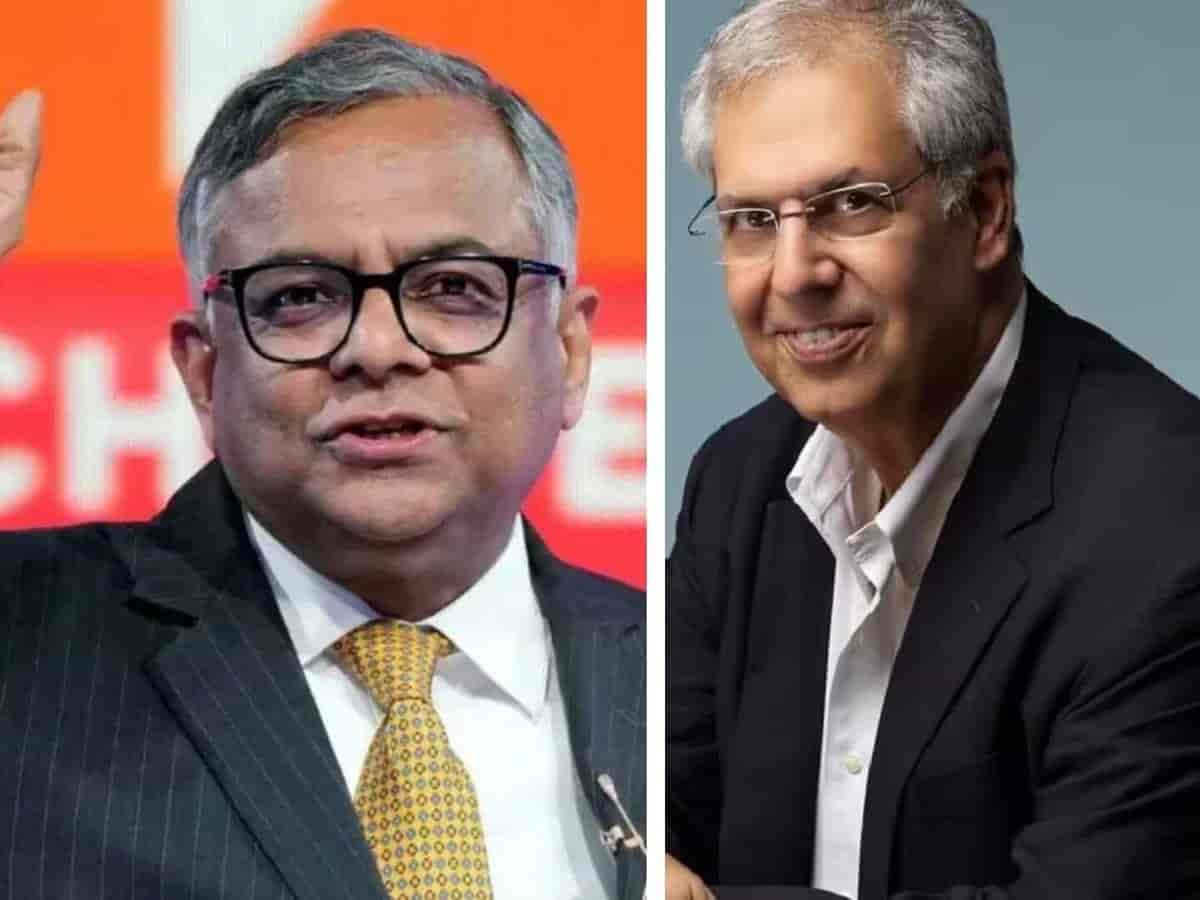
In a dramatic escalation at the helm of India’s most storied business conglomerate, Tata Trusts has approached the Bombay High Court to legally challenge the reappointment of N. Chandrasekaran as Executive Chairman of Tata Sons. The legal action, authorized on Wednesday, November 25, 2026, by the Sir Dorabji Tata Trust (SDTT) and the R.D. Tata Trust (RDTT)—which together form the core of the philanthropic trusts holding a commanding 66% equity stake in the group’s holding company—seeks to declare the September 17 board resolution granting Chandrasekaran a third five-year term (scheduled to begin in February 2027) null and void. Beyond asking the court to restrain Tata Sons from acting on the reappointment, the two trusts have also demanded ₹65 crore in cumulative damages—₹50 crore sought by SDTT and ₹15 crore by RDTT—along with 18% annual interest. With urgent interim relief scheduled to be heard on Friday, November 27, the petition lands just days before a high-stakes Tata Sons board meeting slated for November 30.
What Happened at the September 17 Board Meeting? Inside the Article 121 Dispute
At the heart of this extraordinary boardroom confrontation lies a sharp constitutional disagreement over Articles 104B and 121 of Tata Sons’ Articles of Association (AoA). During the September 17 board meeting convened to consider Chandrasekaran’s extension, the two nominee directors representing Tata Trusts split their votes: Tata Trusts Chairman Noel Tata voted against the reappointment, whereas fellow nominee director Venu Srinivasan voted in favour. Although the overall board passed the resolution by a 4:1 margin—and meeting chair Harish Manwani invoked his casting vote to break the tie between the two trust-nominated directors—Tata Trusts contends that this procedure violated the company’s foundational governance rules. Under Article 121, affirmative resolutions on key leadership and governance matters require positive backing from a majority of the directors nominated under Article 104B. The trusts argue that a chairman’s casting vote cannot legally substitute for missing affirmative consensus among their own representatives, warning that leaving the precedent unchallenged would erode the Trusts’ veto safeguards in future boardroom votes.
Internal Divisions Surface Within Tata Trusts and the Tata Sons Board
The courtroom battle has also laid bare visible fault lines within the leadership circle of Tata Trusts itself. According to corporate filings and board resolutions, the decision to institute legal proceedings against Tata Sons was passed by a majority vote inside the trusts rather than unanimous consent. Noel Tata, his son Neville Tata, and trustee Bhaskar Bhat voted in favour of moving the Bombay High Court, while Venu Srinivasan and Vijay Singh opposed taking the dispute to court. The proposed suit names seven defendants—including Tata Sons, N. Chandrasekaran, Group CFO Saurabh Agrawal, independent directors Harish Manwani and Anita George, and nominee directors Venu Srinivasan and Noel Tata—though neither trust has sought any relief against Noel Tata. Tata Sons, for its part, maintains that the September 17 resolution was validly adopted and plans to place Chandrasekaran’s reappointment before shareholders at an Extraordinary General Meeting (EGM), where Tata Trusts’ 66% voting block holds decisive weight.
Why the November 30 Tata Sons Board Meeting Raises the Stakes
The timing of the Bombay High Court petition is closely tied to a broader strategic clash over the future structure of Tata Sons. On November 30, the Tata Sons board is scheduled to meet to consider formalities surrounding a potential public listing (IPO) of the holding company in compliance with Reserve Bank of India (RBI) upper-layer NBFC regulations. Tata Trusts strongly opposes taking Tata Sons public, fearing a market listing would dilute philanthropic control and alter the group’s long-term governance ethos. Invoking Article 121A(g) and Article 121B, Noel Tata has pressed the board to prioritize an alternative restructuring and merger proposal aimed at avoiding an IPO altogether. By seeking an immediate court injunction before November 30 to bar Tata Sons from passing contested resolutions without affirmative trust-nominee majority support, Tata Trusts is moving to ensure that neither leadership extensions nor listing decisions can bypass its institutional veto.