North India Statesman
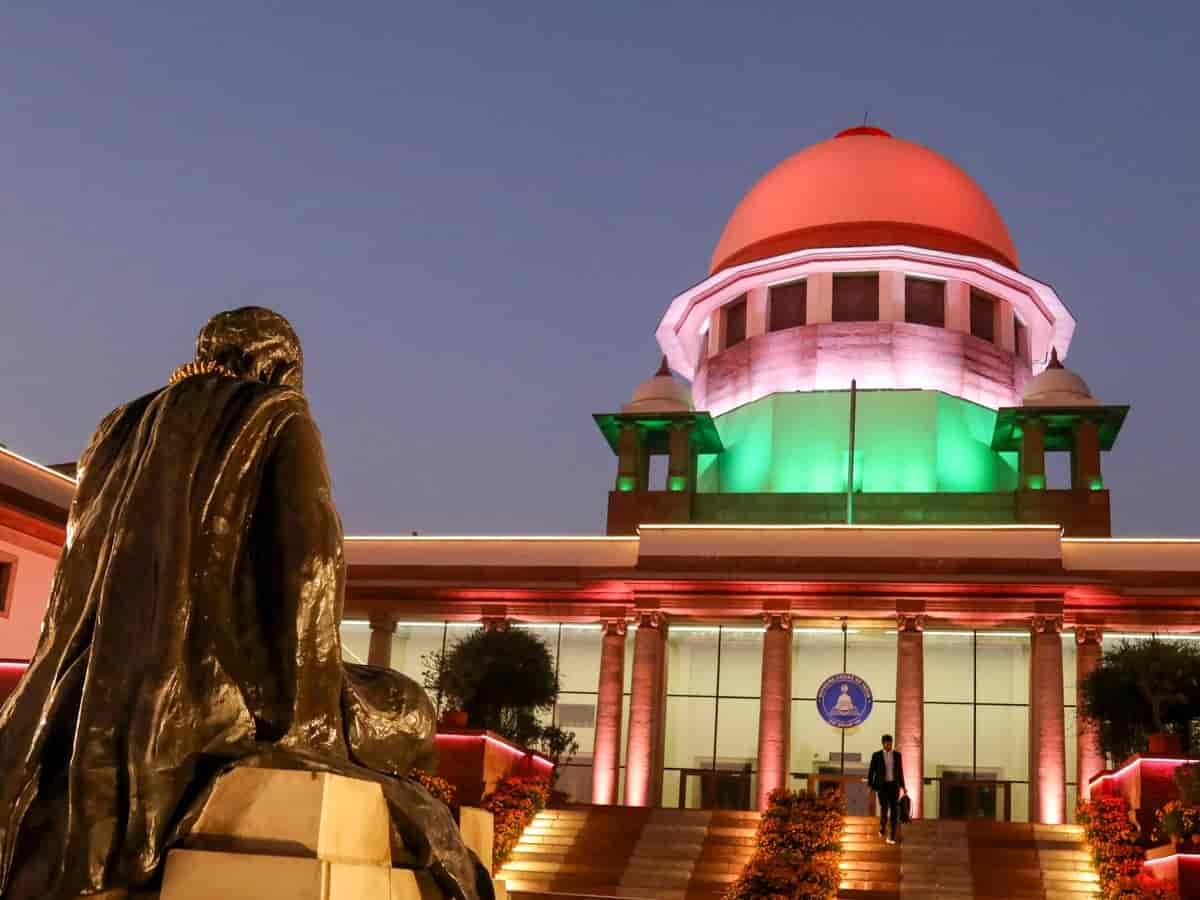
In a pointed observation carrying major implications for media law and press freedom in India, the Supreme Court of India has refused to grant blanket protection from coercive police action to a journalist seeking parity with other reporters shielded by the apex court. Hearing the plea on Thursday, November 26, 2026, the Supreme Court bench delivered a blunt rebuke when defence counsel cited earlier Supreme Court orders granting interim arrest protection to prominent journalists facing multiple FIRs. “There is a clear difference between this journalist and that journalist; they cannot be granted the same protection,” the bench remarked orally during the proceedings, signalling that judicial safeguards meant to defend bona fide investigative journalism cannot be invoked automatically as a shield against serious, prima facie criminal allegations.
Why the Apex Court Rejected Claims of Parity Under Press Freedom
During the courtroom exchange in New Delhi, lawyers appearing for the petitioner argued that subjecting a working media professional to arrest and custodial interrogation amounted to a direct assault on Article 19(1)(a) of the Constitution, which guarantees freedom of speech and expression. Counsel urged the court to extend the same protective umbrella previously accorded to senior editors and reporters in cases involving sedition, defamation, or political criticism. However, the bench drew a firm legal distinction between fair reporting in the public interest and conduct that crosses into actionable offences such as extortion, fabricated evidence, criminal intimidation, or deliberate communal incitement. Observing that constitutional press privileges do not elevate media personnel above ordinary criminal law, the judges emphasized that courts must examine the specific gravity of the allegations, the preliminary case diary material, and the petitioner’s conduct before stepping in to stay an ongoing police investigation.
What Legal Standards Govern Journalist Arrests and Interim Protection in India?
Legal experts across New Delhi, Lucknow, and Mumbai note that the Supreme Court’s remarks align with settled Indian jurisprudence balancing press freedom against accountability. Over the years, the apex court—most notably in landmark rulings involving Arnab Goswami, Vinod Dua, and Patricia Mukhim—has consistently affirmed that democracy cannot thrive without an independent press free from state harassment or retaliatory FIRs across multiple states. At the same time, the court has repeatedly clarified that Article 19(1)(a) is subject to reasonable restrictions under Article 19(2) and does not confer blanket immunity from investigation when credible material suggests abuse of journalistic credentials. Where allegations involve personal vendetta, financial coercion, or deliberate spread of falsehoods outside legitimate news reporting, constitutional courts routinely decline extraordinary writ relief under Article 32 and direct petitioners to pursue standard statutory remedies, such as anticipatory bail before the jurisdictional Sessions Court or High Court under the Bharatiya Nagarik Suraksha Sanhita (BNSS).
What Happens Next in the Case and What It Means for Media Professionals?
Following the Supreme Court’s refusal to grant immediate blanket protection, the petitioner will now have to approach the appropriate High Court or trial court for regular or anticipatory bail on the merits of the specific FIR, without relying on automatic parity with unrelated press freedom cases. For India’s broader media ecosystem—spanning print newsrooms, broadcast networks, and independent digital journalists—the order serves as a decisive reminder of where judicial protection begins and ends. While the Supreme Court remains steadfast in safeguarding fearless, fact-based journalism against state overreach, it has made clear that every case will be judged strictly on its individual facts rather than the press card alone.