North India Statesman
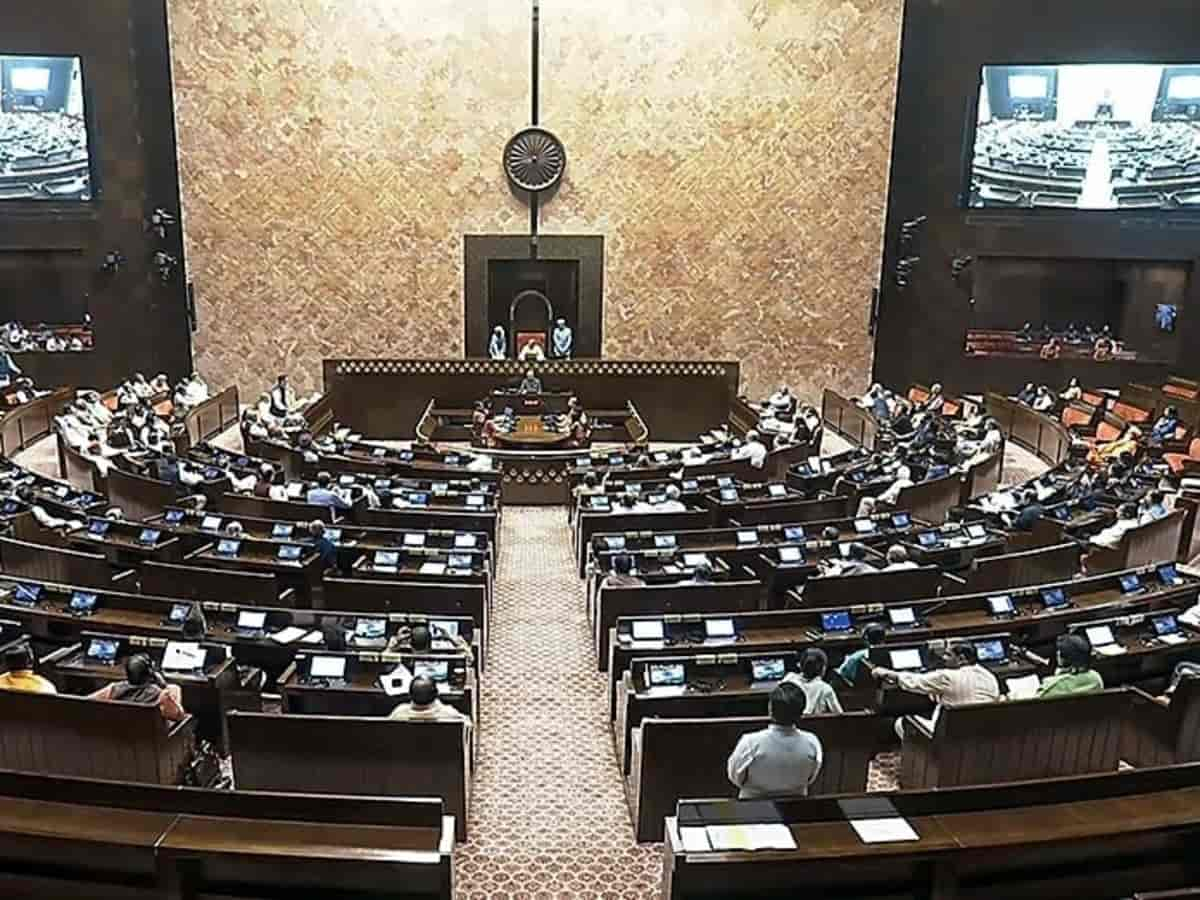
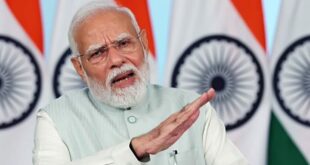
Political corridors in New Delhi have gone into high alert after Prime Minister Narendra Modi advised Union Cabinet ministers to avoid undertaking foreign travel before December 15, 2026, and wrap up all ministry-level legislative preparations ahead of the upcoming Parliament session. During a crucial Cabinet meeting held on Wednesday, November 25, the Prime Minister instructed his ministerial colleagues to remain available in the national capital and keep their departments fully prepared for parliamentary business at short notice. Following the directive—and amid prolonged suspense over the exact convening date—several Union ministers as well as ruling and opposition Members of Parliament (MPs) have postponed scheduled overseas delegations and personal trips, signalling that a pivotal sitting of the Lok Sabha and Rajya Sabha could be announced any day.
Special Sitting or Winter Session? Why the Unprorogued Monsoon Session Matters
What makes the current parliamentary calendar especially intriguing is a rare constitutional technicality that gives the Centre extraordinary flexibility. Unlike standard practice, the previous Monsoon Session of Parliament has still not been formally prorogued—having remained open for a record-breaking 94-plus days, surpassing the previous 2008 benchmark of 87 days. Under parliamentary rules, convening a brand-new Winter Session requires a formal Presidential summons with at least 14 days’ prior notice to lawmakers. However, because the existing session has merely been adjourned rather than prorogued, the government can reconvene a short special sitting at as little as two days’ notice before transitioning into the regular Winter Session. While the final schedule and duration will be cleared by the Cabinet Committee on Parliamentary Affairs (CCPA), top government sources indicate that proceedings are virtually certain to commence on or before December 15.
What Are the Government’s Plans? The Constitution (131st Amendment) Bill in Focus
Behind the urgency to keep every minister and MP stationed in New Delhi lies one of the most consequential legislative items of the Modi government’s current term: The Constitution (131st Amendment) Bill, 2026, which links delimitation of Lok Sabha and State Assembly constituencies with the implementation of 33% women’s reservation ahead of the 2029 general elections. When the government first brought the bill before a special sitting on April 17, 2026, it fell short of the mandatory two-thirds majority required for a constitutional amendment. Since then, shifting political equations—including 26 MPs distancing themselves from the opposition bloc and six Shiv Sena (UBT) lawmakers aligning with Eknath Shinde’s faction—have improved the ruling National Democratic Alliance’s (NDA) tally to around 320 in the 540-member effective Lok Sabha, though it still needs roughly 361 votes to clear the constitutional threshold. To soothe anxieties among southern states over potential seat losses, the government is reportedly weighing a formula that preserves the current state-wise proportional share based on the 1971 census while expanding overall Lok Sabha strength by 50%.
Opposition Strategy and Potential Flashpoints in the Upcoming Sitting
While the treasury benches are focused on floor coordination and securing cross-party support from regional outfits like the DMK and NCP (Sharadchandra Pawar), the opposition has sharpened its attack over the uncertainty surrounding the schedule. Congress communications chief Jairam Ramesh questioned why the nation has been kept guessing over Winter Session dates, alleging that the government is using the delay to quietly engineer a two-thirds majority while keeping its delimitation blueprint under wraps. Beyond delimitation and women’s quota, opposition parties are preparing to corner the government over the Special Intensive Revision (SIR) of electoral rolls, regional political flashpoints, and economic pressures. With ministers grounded in New Delhi and legislative drafts being finalized across ministries, all eyes are now on Rashtrapati Bhavan and the Parliamentary Affairs Ministry for the formal notification that will kick off one of 2026’s most decisive parliamentary showdowns.