North India Statesman
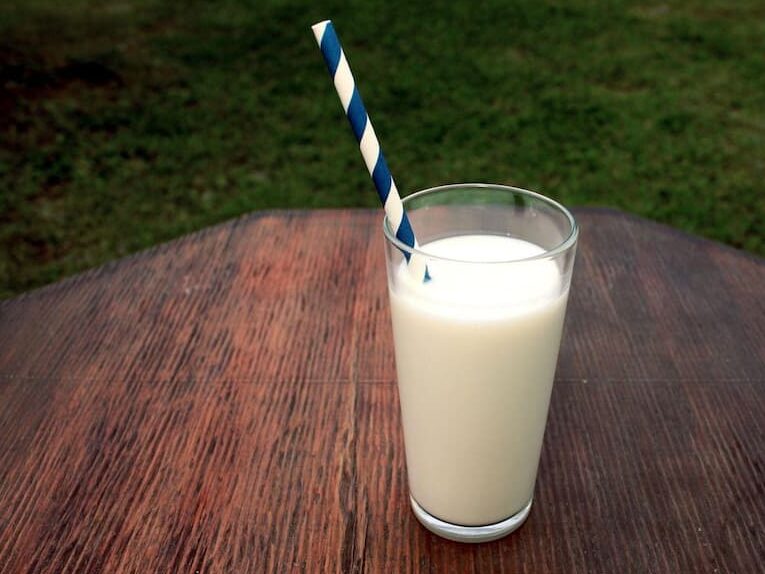
Across Indian households—from Lucknow and Delhi to Mumbai and Bengaluru—a warm glass of milk remains a daily nutritional staple passed down through generations. From a clinical nutrition standpoint, milk is rightfully regarded as one of the most complete, nutrient-dense whole foods available in a standard vegetarian or mixed diet. A single 250 ml glass of cow or buffalo milk delivers approximately 8 grams of high-biological-value complete protein (containing all nine essential amino acids, including casein and whey), alongside 280 to 300 mg of highly absorbable calcium, phosphorus, potassium, magnesium, vitamin B12, riboflavin (B2), and fortified vitamin D. Drinking milk regularly strengthens bone mineral density during childhood, prevents premature bone loss and osteoporosis in older adults, supports muscle repair after physical activity, aids tooth enamel mineralization, and promotes steady energy release. For Indians who rely heavily on plant-based meals where vitamin B12 and bioavailable calcium can run low, daily dairy plays a critical role in bridging everyday micronutrient gaps.
How Much Milk Is Needed at What Age? Complete Age-Wise Breakdown
Nutritional requirements shift dramatically across the human lifecycle, meaning the ideal daily milk quota depends heavily on age, growth rate, and physical activity. According to dietary recommendations aligned with the Indian Council of Medical Research (ICMR) – National Institute of Nutrition (NIN) guidelines, infants under 12 months should consume exclusively breast milk or infant formula, as cow or buffalo milk can strain immature kidneys and interfere with iron absorption. Once a child crosses 1 to 3 years (toddlers), 300 to 400 ml per day (roughly 1.5 small cups of whole milk) supports rapid brain development and bone mineralization. For children aged 4 to 8 years, intake rises to 400 to 500 ml daily (about 2 glasses), which can be split across morning breakfast and evening snacks. During adolescence (ages 9 to 18)—the peak window for skeletal growth when nearly 90% of adult bone mass is built—teenagers require 500 to 600 ml per day (2 to 2.5 glasses) to meet heightened calcium and protein demands.
Daily Milk Recommendations for Adults, Pregnant Women, and Senior Citizens
Once skeletal growth stabilizes in adulthood (ages 19 to 50), healthy men and women benefit from 300 to 400 ml of milk or equivalent dairy daily (about 1.5 to 2 glasses), ideally choosing toned or low-fat milk to keep saturated fat and calorie intake balanced while maintaining muscle mass and cardiovascular health. Nutritional demand climbs again during pregnancy and lactation, where women require roughly 500 to 600 ml daily to support fetal bone formation and maternal calcium stores without depleting their own skeleton. Similarly, for senior citizens aged 51 and above, nutritionists recommend 400 to 500 ml per day of low-fat or skimmed milk to counter age-related muscle loss (sarcopenia), maintain bone strength, and reduce fracture risk. Importantly, daily dairy targets do not have to come solely from liquid milk—one 200 ml glass of milk is nutritionally comparable to a bowl of fresh curd (dahi), two glasses of buttermilk (chaas), or 40 to 50 grams of paneer.
Who Should Limit Daily Milk and What Are the Best Alternatives?
While daily milk offers substantial health benefits for most people, moderation and individual tolerance remain essential. Exceeding 700 to 750 ml per day in young children can displace iron-rich solid foods and trigger iron-deficiency anaemia, while excessive full-cream buffalo milk in sedentary adults can add unnecessary saturated fat. Individuals experiencing bloating, gas, or stomach cramps due to lactose intolerance can often digest fermented dairy like curd and buttermilk comfortably, or opt for lactose-free cow milk and calcium-fortified soy milk, which closely matches dairy’s protein profile. People managing severe acne, chronic kidney disease, or specific milk-protein allergies should consult a physician or registered dietitian to tailor their calcium and protein sources safely. Drinking plain or lightly spiced milk (such as haldi doodh) without excess refined sugar ensures you capture maximum nutritional value at every stage of life.