North India Statesman
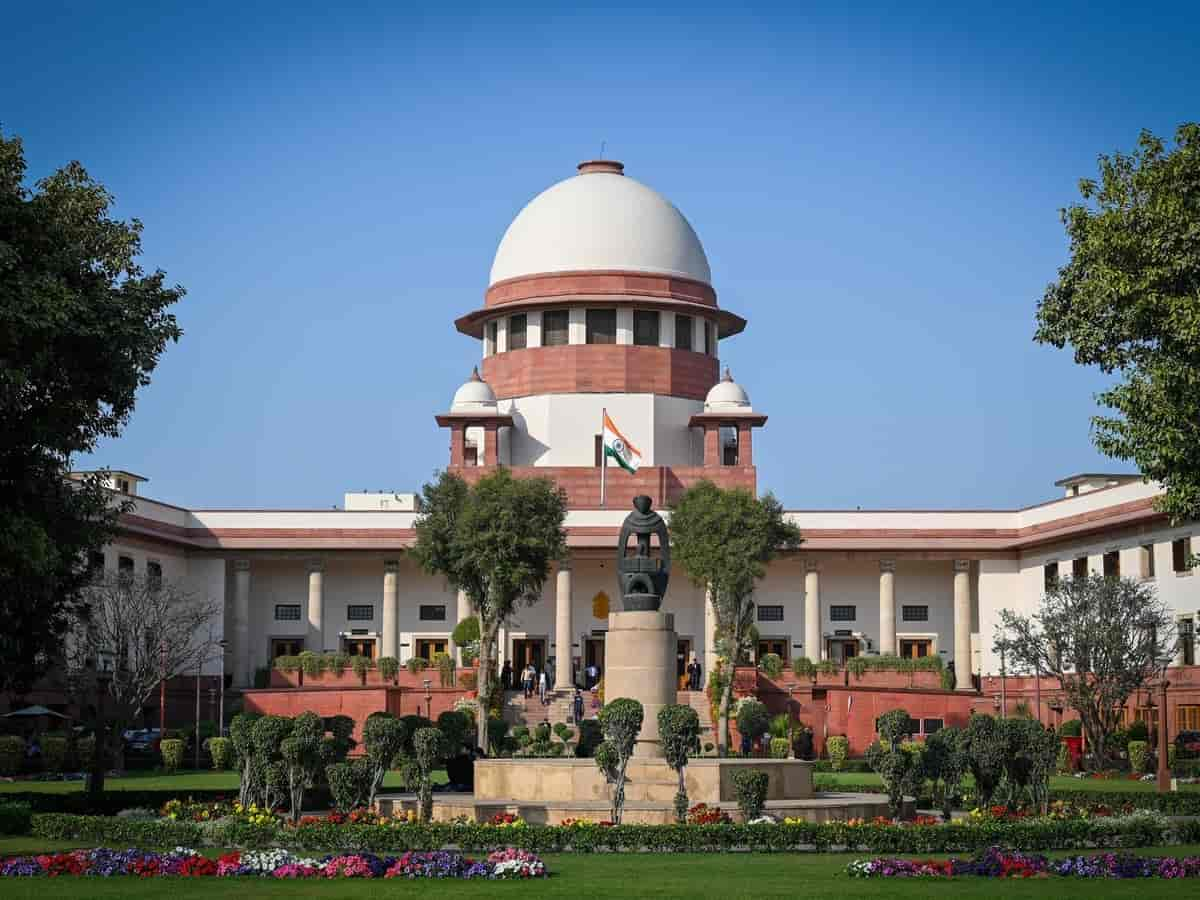
A high-stakes inheritance and corporate control battle over the late industrialist Sunjay Kapur’s vast business empire has officially returned to the courtroom after months of confidential peace talks collapsed. On Thursday, November 26, 2026, the Supreme Court of India formally closed court-referred mediation proceedings between Sunjay Kapur’s 80-year-old mother, Rani Kapur, and his widow, Priya Sachdev Kapur, after even former Chief Justice of India D.Y. Chandrachud could not bridge the divide between the warring factions. Despite conducting roughly 15 intensive sittings since May 2026, the mediation reached an irreconcilable impasse over the control and division of the RK Family Trust, which holds assets valued at approximately ₹30,000 crore, including key stakes in automotive components giant Sona Comstar (Sona BLW). With out-of-court settlement talks exhausted, the apex court declared that the dispute will now be adjudicated strictly on its legal merits, setting the stage for a fierce judicial showdown.
Why the ₹6,000-Crore Demand Deadlocked Justice Chandrachud’s Peace Talks
During Thursday’s hearing before the Supreme Court bench, senior counsel representing the two sides laid bare the exact financial fault lines that derailed the six-month mediation effort. Appearing for Rani Kapur, legal counsel informed the court that the elderly matriarch had sought a settlement figure of ₹6,000 crore from the ₹30,000-crore family trust—a demand that Priya Sachdev Kapur’s camp flatly refused to accept, maintaining that Rani Kapur holds no enforceable entitlement to liquidate or claim that sum from the trust’s corpus. Taking note of the rigid positions, the bench remarked candidly that because her demand was completely blocked by the other side, the deadlock explained why mediation could not succeed, adding dryly that having handled litigations exceeding ₹65,000 crore, the court would not be swayed by sheer figures alone. When Rani Kapur’s counsel pressed for urgent adjudication of interim protection pleas and declared, “The battle begins now,” the bench replied plainly, “Yes, the battle. No doubt.”
Inside the Multi-Front Legal War Involving Karisma Kapoor’s Children and Sona Comstar
The bitter succession row erupted following Sunjay Kapur’s passing and centres on both corporate governance of the Sona Group and the legal validity of competing inheritance instruments. Rani Kapur has challenged the legitimacy of the RK Family Trust, alleging that although she was named settlor and trustee alongside her late husband Dr. Surinder Kapur’s 2013 Will (probated by the Bombay High Court in 2016), the trust’s beneficiary structure was manipulated to exclude her entirely while handing effective control of Sona Comstar and group entities to Priya Kapur and her branch of the family. Adding a third front to the litigation, Karisma Kapoor’s children from Sunjay Kapur’s earlier marriage have also intervened, submitting before the Supreme Court that they are legally entitled to a 24% to 26% share in the family trust while pursuing a separate suit in the Delhi High Court challenging the authenticity of a purported Will leaving the entire estate to Priya Kapur.
What Happens Next as the Battle Moves Back to the Courts?
Back in April 2026, the Supreme Court had urged the family to settle amicably—observing empathetically that “80 is not the age to fight”—and appointed Justice D.Y. Chandrachud in May 2026, even directing in August that his mediation fees be paid directly out of the RK Family Trust. Now that voluntary mediation has formally ended without consensus, the legal spotlight shifts immediately to interim asset preservation and substantive hearings across the Supreme Court and the Delhi High Court. Over the coming weeks, judges will examine whether the ₹30,000-crore trust’s underlying shares and properties must be frozen or ring-fenced to prevent dilution while courts determine the validity of the RK Family Trust, the probated 2013 Will, and the competing claims of Rani Kapur, Priya Sachdev Kapur, and Karisma Kapoor’s children. For one of India’s most prominent industrial families, what the bench once warned could make “the Mahabharata look very small” is now poised for a decisive courtroom verdict.