North India Statesman
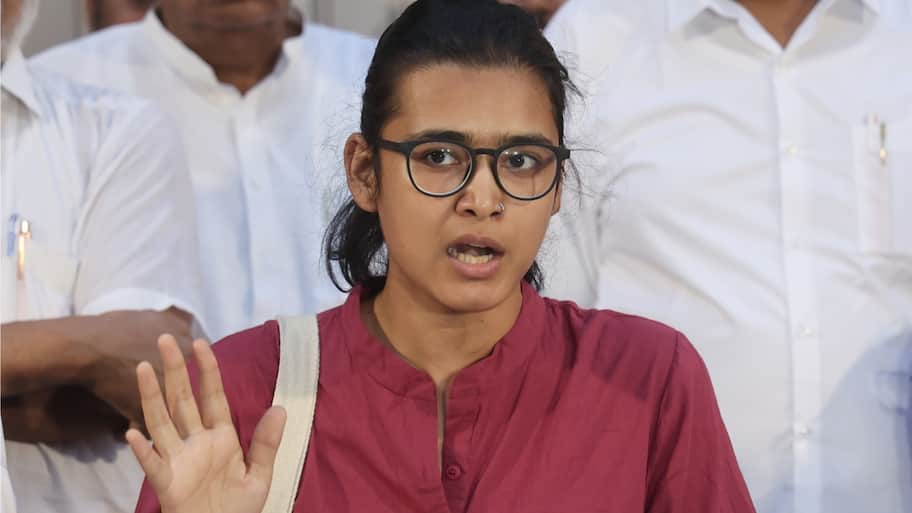
All India Students’ Association (AISA) president Neha Bora has approached the Delhi High Court to challenge a preventive notice issued by the Delhi Police requiring her to execute a ₹10,000 personal bond with surety to “maintain peace during the inquiry”. The legal challenge comes directly in the wake of her overnight detention following demonstrations in central Delhi against the Election Commission’s Special Intensive Revision (SIR) exercise and demanding the resignation of Chief Election Commissioner Gyanesh Kumar. Bora’s petition contends that the executive summons is factually flawed, arbitrary, and an unconstitutional attempt to stifle fundamental rights to peaceful assembly and free speech.
What The Police Notice Demands Under The New Criminal Code
The notice was issued on October 17 by a Delhi Police officer functioning as the Special Executive Magistrate (SEM) under Sections 126 and 130, read with Section 135(3) of the Bharatiya Nagarik Suraksha Sanhita (BNSS), 2023. Citing apprehensions of an imminent breach of public order and tranquility, the authority directed Bora to appear and submit a personal bond alongside a local surety. The student leader’s legal team has argued before the high court that invoking emergency preventive powers against non-violent campus representatives participating in democratic flag marches amounts to a blatant misuse of statutory provisions designed for habitual lawbreakers.
Overnight Detention And Allegations Of Plainclothes Surveillance
Bora’s petition outlines the sequence of events leading to the order, noting that she was detained on Friday, October 16, during a gathering near Mandi House. According to the student body, she was initially taken to an undisclosed location before being shifted to the R.K. Puram police station, where she was kept overnight before being released the following morning around 6 AM under Section 65 of the Delhi Police Act. Beyond challenging the bond, AISA has flagged ongoing surveillance, alleging that plainclothes police personnel have tailed Bora since her release. The student organization questioned whether round-the-clock physical tracking is standard police protocol or an explicit intimidation tactic aimed at scuttling student mobilization.
Broader Unrest Over SIR And Election Commission Functioning
The legal wrangling represents the latest flashpoint in an escalating standoff between law enforcement authorities and a broad coalition of youth outfits, civil rights groups, and opposition student factions in the national capital. Protesters have been rallying against the administrative rollout of the Special Intensive Revision (SIR) of voter lists, alleging that arbitrary procedural deletions risk disenfranchising thousands of eligible voters across the country. The demonstrations have also targeted the Chief Election Commissioner and Other Election Commissioners Act of 2023, with activist groups claiming that changes to appointment procedures have eroded the autonomous oversight of the constitutional poll watchdog.
Urgent Vacation Bench Hearing Sought Ahead Of Court Reopening
With the Delhi High Court currently closed for the Dussehra recess until October 26, Bora’s legal counsel—including advocates Abhik Chimni and Moksha Sharma—is seeking an urgent hearing before the designated vacation bench. The petition seeks to quash the SEM notice immediately, warning that allowing executive magistrates to issue peace bonds against student activists creates a dangerous precedent that criminalizes regular political dissent. As the bench considers the listing request, the petition puts renewed legal scrutiny on how preventive policing provisions under the BNSS are being deployed against political demonstrations across Delhi.