North India Statesman
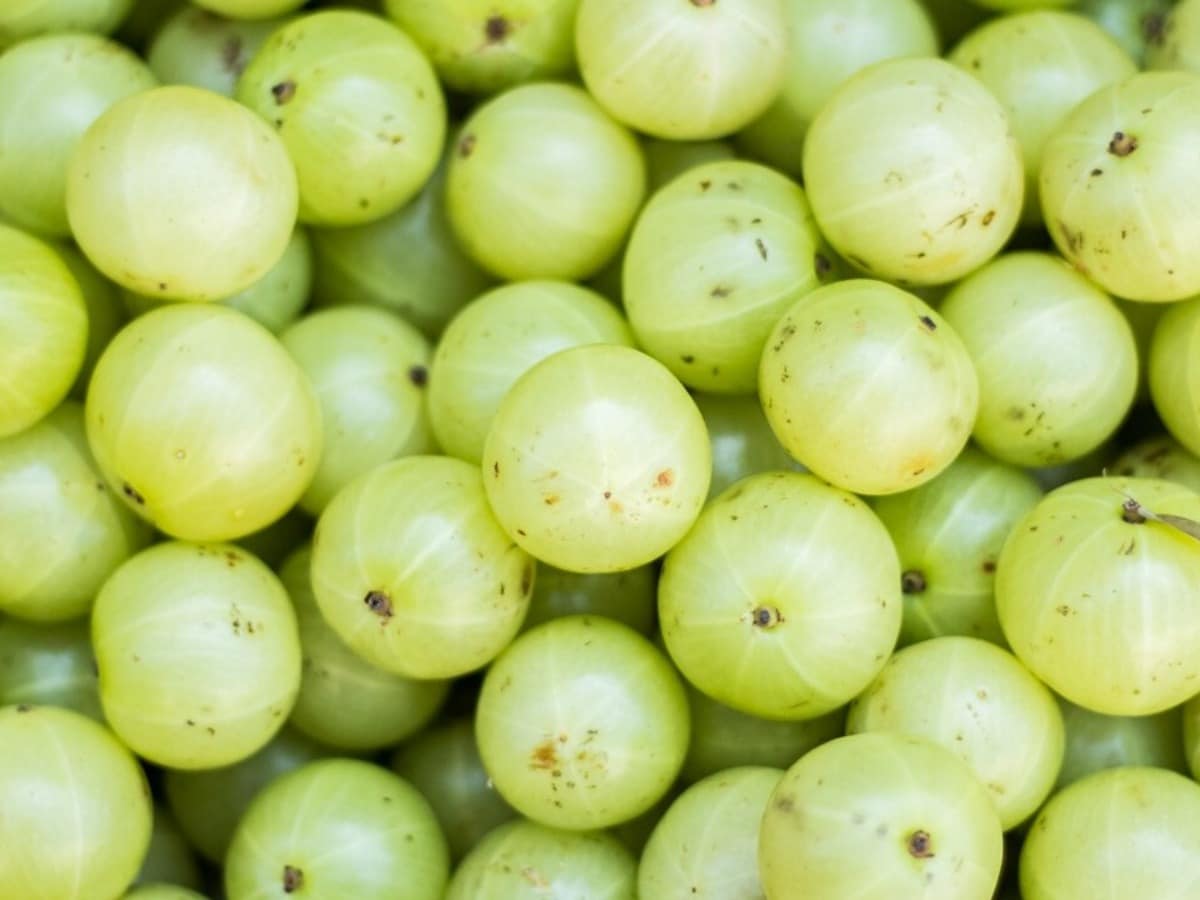
Every year on the ninth lunar day (Navami) of the bright fortnight (Shukla Paksha) in the sacred month of Kartik—falling on Wednesday, November 18, 2026—millions of devotees across India gather beneath the shade of the Indian gooseberry (Amla or Amalaki) tree to offer prayers, tie sacred threads, and share home-cooked meals with family. Widely celebrated as Amla Navami, Akshaya Navami, or Dhatri Navami across Uttar Pradesh, Bihar, Madhya Pradesh, Rajasthan, and West Bengal—from Varanasi, Prayagraj, and Mathura-Vrindavan to Lucknow and Kanpur—this festival blends deep Puranic devotion with seasonal Ayurvedic wisdom. While most worshippers know that praying under the Amla tree brings inexhaustible merit (Akshaya Punya), ancient Hindu scriptures preserve fascinating legends explaining how the Amla tree first originated on Earth and why it holds a unique place among sacred flora.
How Did Amla Originate? The Puranic Mythological Story
According to the Skanda Purana, Padma Purana, and Brihaddharma Purana, the origin of the Amla tree is directly linked to cosmic creation and divine devotion. When the universe was still submerged in primordial waters and Lord Brahma was deeply absorbed in meditating upon Lord Vishnu, tears of overwhelming devotion and spiritual ecstasy rolled down Brahma’s cheeks. As those sacred teardrops fell onto the Earth, they germinated into the very first tree on the planet—the Amla (Amalaki) tree. Because it was the first botanical creation to sprout upon the Earth, Sanskrit texts honour the Amla tree as Adiroha, meaning the “pre-eminent” or “first-born” tree. A parallel Puranic tradition also links the fruit to the churning of the cosmic ocean (Samudra Manthan), stating that a drop of Amrita (the nectar of immortality) fell to Earth and nourished the tree, imbuing every part of the plant with life-sustaining, rejuvenating power.
Why Is Amla Worshipped on Amla Navami?
The tradition of worshipping the Amla tree on Kartik Shukla Navami stems from a celebrated legend involving Goddess Lakshmi and Goddess Parvati. As narrated in Hindu scriptures, Goddess Lakshmi once embarked on a pilgrimage to Earth wishing to worship both Lord Vishnu and Lord Shiva simultaneously. Recognizing that Tulsi (holy basil) is beloved to Lord Vishnu while Bel (Bilva) leaves are sacred to Lord Shiva, Lakshmi sought a single divine symbol that united the spiritual essence of both deities. Realizing that the Amla tree embodies the qualities of both Tulsi and Bel, Goddess Lakshmi worshipped the Amla tree with deep devotion, preparing and offering bhog beneath its branches before partaking of the meal herself. Pleased by her devotion, Lord Vishnu and Lord Shiva manifested together and blessed the tree, declaring that whoever worships the Amla tree and feeds guests beneath its canopy on Kartik Shukla Navami will receive the combined grace of Hari and Hara alongside inexhaustible prosperity (Akshaya).
Spiritual, Ecological, and Ayurvedic Significance of the Dhatri Tree
In Sanskrit, Amla is reverently called Dhatri, which translates to “mother,” “nurse,” or “sustainer”—symbolizing how the tree nurtures human health just as a mother cares for her child. Classical scriptures state that Lord Vishnu resides at the roots of the Amla tree, Lord Brahma in its trunk, Lord Shiva in its branches, and various celestial deities within its leaves and fruits. Beyond spiritual symbolism, Amla Navami coincides with the onset of winter in mid-November, when fresh Amla berries reach peak harvest across India. In Ayurveda, the Charaka Samhita hails Amalaki as the foremost Rasayana (rejuvenating herb), packed with natural Vitamin C and antioxidants that boost immunity, balance digestive fire (Agni), and protect the body against seasonal winter infections. Dining beneath the tree on Amla Navami transforms seasonal nutrition into a sacred act of gratitude toward nature.
Amla Navami 2026 Date, Shubh Muhurat, and Simple Puja Vidhi
In 2026, Kartik Shukla Navami begins at 6:04 AM on Wednesday, November 18, and concludes at 7:05 AM on Thursday, November 19, with the most auspicious Purvahna puja window running from 6:46 AM to 12:06 PM on November 18. To observe the ritual, devotees bathe early in the morning, clean the area around an Amla tree, and offer clean water mixed with a few drops of milk at its roots. Worshippers then apply roli, turmeric, and akshata, light a pure ghee lamp, tie a sacred cotton thread (mauli or kalava) around the trunk while performing seven circumambulations (parikrama), and listen to the Amla Navami Katha. Afterward, families share a sattvic meal—traditionally featuring seasonal Amla preparations—under the tree’s shade and offer food or essentials to those in need, honouring a timeless tradition that unites faith, ecology, and holistic well-being.