North India Statesman
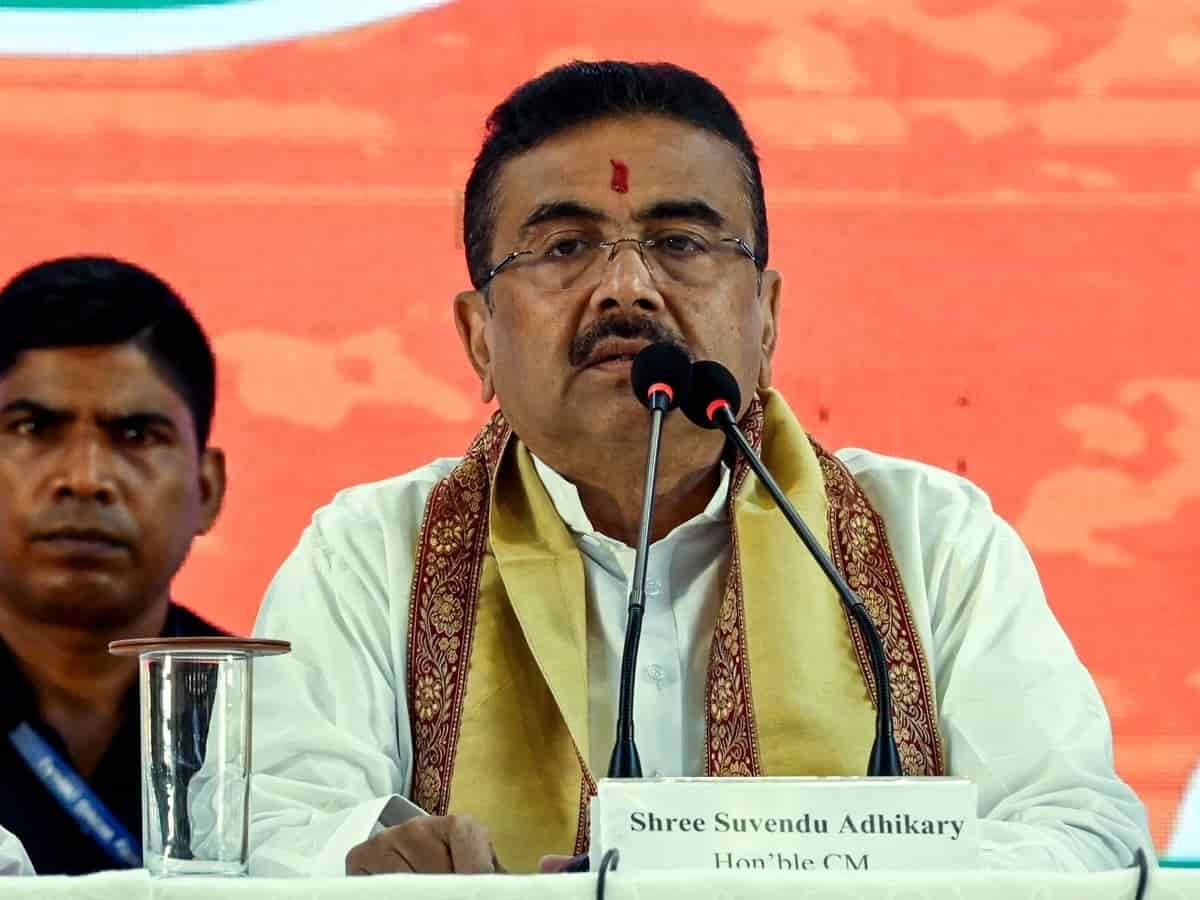
In a strategic shift aimed at revitalizing West Bengal’s industrial climate, the state government has announced a revamped Investment Promotion and Land Policy, adopting land-pooling and direct purchase mechanisms modeled after industrial frameworks in Uttar Pradesh, Haryana, and Gujarat.
The move seeks to dismantle the decades-old land deadlock that has haunted the state’s industrial trajectory since the historic confrontations at Singur and Nandigram. Emphasizing a middle path, the administration made it clear that the state will neither resort to the Left Front’s coercive land acquisition policies nor leave private industries to fend for themselves without administrative backing.
The UP-Style Land-Pooling Formula: Equity and Developed Plots
Central to the new framework is a collaborative land-pooling system, drawing heavily from the developmental blueprint implemented in Uttar Pradesh:
-
Voluntary Surrender and Return of Developed Land: Under the pooling mechanism, landowners voluntarily hand over parcels to the government. Once the industrial authority levels, demarcates, and installs baseline infrastructure (roads, drainage, power, water), 25% to 30% of the developed commercial plot will be returned to the original landholder, substantially enhancing their asset value.
-
Equity Shares in Set-Up Enterprises: To ensure long-term wealth creation rather than one-time payouts, the policy introduces an innovative provision: individuals offering their land will be entitled to equity shares or a stake in the industrial ventures established on those plots. This guarantees that displaced agrarian families participate directly in future corporate earnings.
Direct Purchase Route: Up to 4x Market Value Under 2013 Norms
For industrial investors requiring immediate project execution without waiting for multi-year land-pooling cycles, the state government will step in to buy land directly from farmers at market rates and hand it over to companies.
To avoid farmer discontent, the compensation formula will match the statutory protections guaranteed under the Right to Fair Compensation and Transparency in Land Acquisition, Rehabilitation and Resettlement Act, 2013:
-
Four-Fold Compensation: Rural land sellers will receive up to four times the prevailing market valuation.
-
Asset Assessment: Additional compensation will be disbursed separately for physical structures, houses, tube wells, or standing orchards located on the plots.
The model mirrors the approach recently utilized for border fencing corridors handed over to the Border Security Force (BSF) and national railway extensions across Bengal, where direct financial settlement prevented civil litigation and disputes.
Single-Window Approvals and Ultimatum on Idle Industrial Plots
Alongside the land-pooling mechanism, the government rolled out an ease-of-doing-business push targeting over ₹1 lakh crore in prospective manufacturing investments:
-
Single-Window Clearance: A fast-track digital approval desk has been instituted for all investment proposals exceeding ₹100 crore to eliminate departmental red tape.
-
Three-Month Notice on Unused Land: Addressing long-standing land hoarding, the government served a strict three-month ultimatum to legacy investors holding idle industrial plots. Entities must either begin physical project construction within 90 days or surrender the land back to the state bank against a refund of the original purchase amount.
Transforming Bengal’s Industrial Perception
By combining voluntary participation, fourfold financial compensation, and long-term equity sharing, the policy aims to bridge the sensitive divide between agrarian welfare and industrial development. If executed with transparent administrative oversight, the UP-style model could finally give eastern India the predictable land-aggregation roadmap needed to draw major manufacturing hubs, electronics plants, and textile complexes into the state.