North India Statesman
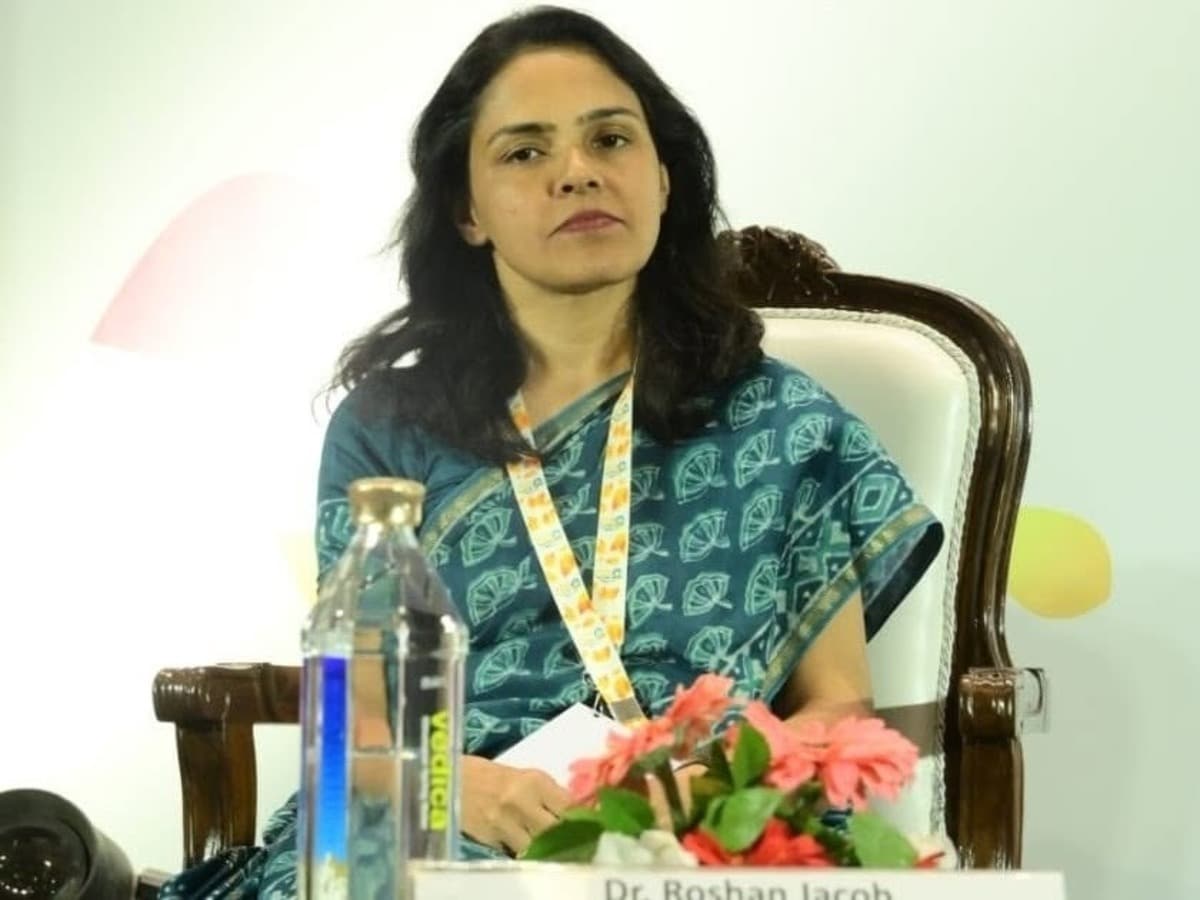
In a sweeping move to protect patients from predatory pricing, Uttar Pradesh’s Food Safety and Drug Administration (UPFSDA) has ordered all hospital pharmacies across the state to publicly disclose the purchase price and final sale price of medicines starting November 1. Spearheaded by FSDA Commissioner and Secretary Dr. Roshan Jacob, the directive aims to eliminate artificial price inflation and bring complete financial transparency to hospital billing. The decision follows extensive statewide inspections covering more than 200 pharmacies across 22 medical colleges and 30 government and private hospitals, where investigators uncovered shocking profit margins where patients were being charged up to 67 times the actual procurement cost of drugs, consumables, medical devices, and nutraceuticals.
Shocking 67-Fold Markups Unearthed in Statewide Pharmacy Audits
Audits conducted by drug inspectors revealed systemic price exploitation, particularly involving in-house hospital pharmacies. In several alarming cases, life-saving injections procured by hospitals at a Price to Retailer (PTR) of just 74 rupees were being billed to vulnerable patients at an exorbitant Maximum Retail Price (MRP) of nearly 4,980 rupees. Investigators noted that hospitals frequently create an illusion of relief by offering “MRP-minus” discounts on paper. In reality, because the printed MRP is deliberately set astronomically high through tie-ups with manufacturers, patients end up paying hundreds of percent above procurement costs while believing they received a discount. Starting November 1, mandatory price disclosures on hospital digital boards and billing systems will allow patients and families to verify exact margins before paying.
Dr. Roshan Jacob Recommends UP’s ‘Cost-Plus’ Model to NPPA
Taking the issue beyond state borders, Dr. Roshan Jacob has formally written to the National Pharmaceutical Pricing Authority (NPPA), urging the central drug pricing watchdog to introduce urgent nationwide reforms. The UPFSDA highlighted the successful “Cost-Plus” procurement model already practiced in several Uttar Pradesh government medical colleges. Under this framework, high-end antibiotics, oncology injections, and critical care therapies are charged based on the actual discounted institutional procurement cost plus a minimal handling margin, rather than the printed MRP. The commissioner emphasized that institutional buying power must benefit the bed-ridden patient, not turn hospital pharmacies into unchecked profit centers.
Push for Trade Margin Caps and Stricter DPCO Enforcement
In her communication to the NPPA, Dr. Jacob proposed four key national interventions to permanently curb arbitrary medical costs. These include capping trade margins across the entire supply chain for high-MRP drugs and medical implants, restricting hospitals from monopolizing patient choices through exclusive contract-manufactured brands that are unavailable in open retail markets, and tackling dual MRP practices on identical formulations. Furthermore, the UPFSDA urged the Centre to bring violations of the Drug Price Control Order (DPCO) directly under the penal purview of the Drugs and Cosmetics Act, empowering state drug controllers to take swift criminal action against erring establishments. As the November 1 enforcement deadline approaches, the landmark directive is set to trigger a transformative shift toward fair, accountable healthcare pricing across Uttar Pradesh.