North India Statesman
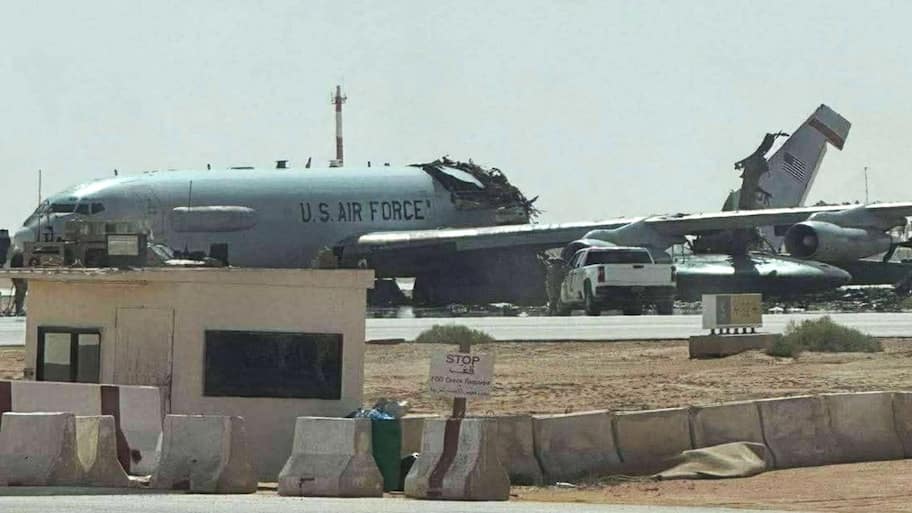
A comprehensive assessment of modern aerial warfare in the Middle East has brought forward a startling accounting of financial and material attrition for the United States military. Operating across prolonged regional friction, proxy skirmishes, and direct confrontation with Iranian-aligned forces, the Pentagon has shouldered an estimated 3.3-billion-dollar toll in lost, damaged, and downed aviation assets. The attrition tally—highlighted by dozens of MQ-9 Reaper remotely piloted aircraft alongside high-performance strike platforms like the F-15 Strike Eagle and the cutting-edge F-35 Lightning II—underscores the severe asymmetric cost imposed by dense surface-to-air missile umbrellas and hostile drone barrages across the Persian Gulf, Red Sea, and Levantine air corridors.
The Brutal Attrition of Unmanned Aerial Fleets: 45 Reapers Down
The heaviest volume loss has fallen upon the MQ-9 Reaper fleet, long regarded as the backbone of American intelligence, surveillance, reconnaissance, and precision strike operations. Iranian-supplied air defense systems—specifically the Sayyad series and modified 358 loitering surface-to-air interceptors operated by regional militias—have steadily degraded drone operations. With individual unit replacement costs exceeding 30 million dollars, the cumulative downing or mechanical failure of roughly 45 Reaper drones alone represents an immense financial sinkhole exceeding 1.35 billion dollars. Operating at medium altitudes without stealth characteristics, these unmanned aircraft proved increasingly vulnerable when pitted against integrated radar-guided anti-aircraft networks.
High-Value Fighter Jet Casualties and Combat Strains
Beyond unmanned losses, the operational toll on manned tactical aviation represents a staggering capital and strategic hit. The deployment of multi-role strike squadrons across contested operational zones saw severe combat wear, ground missile strikes on forward operating bases, and mid-air mechanical contingencies. Tactical losses involving 12 F-15 Strike Eagles—each costing roughly 80 to 90 million dollars depending on avionics configuration—represent over 1 billion dollars in airframe assets. Compounding these figures is the vulnerability of fifth-generation assets; the loss or write-off of a single F-35 stealth fighter represents an instant 100-million-dollar hardware setback alongside millions in proprietary stealth skin and electronic warfare suite repairs.
The Soaring Financial Realities of Asymmetric Air Defense
The multi-billion-dollar aircraft balance sheet highlights a deeper structural dilemma in modern air campaigns: the lopsided economics of asymmetric engagement. While Western coalition forces expend multi-million-dollar interceptor missiles and risk advanced combat aircraft, opposing defense networks deploy cost-effective indigenous surface-to-air missiles and kamikaze drone swarms manufactured at a fraction of the cost. In addition to direct hull losses, the emergency deployment of aerial tankers, combat search and rescue (CSAR) sorties, and specialized hangar defenses in regional partner bases has inflated the true cost of sustained operations. Military strategists point out that sustaining high-value air presence against layered, mobile air-defense networks will require an urgent shift toward cheaper, attritable uncrewed systems and long-range stand-off munitions to prevent defense budgets from being hollowed out by attritional warfare.