North India Statesman

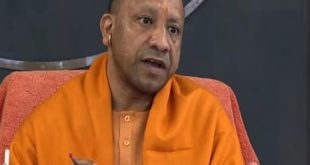
In a landmark step toward transforming urban living and addressing escalating tenant accommodation costs across Uttar Pradesh, the Yogi Adityanath-led government has initiated work on a comprehensive state rental housing policy. The state administration has constituted a high-powered committee headed by the Secretary of Housing to formulate a robust blueprint aimed at delivering affordable, safe, and regulated rental homes. The initiative targets urban poor, middle-class tenants, migrant workforces, and senior citizens across major municipal hubs, ensuring access to quality civic shelter without burdensome market rental price pressures.
High-Powered Committee to Formulate State-Wide Rental Blueprint
The government has issued official directives setting up the dedicated policy drafting panel under the Housing and Urban Planning Department. Chaired by the Secretary of Housing, the high-level body incorporates the vice-chairpersons of key regional development authorities, including Lucknow Development Authority (LDA), Kanpur Development Authority (KDA), Ghaziabad Development Authority (GDA), Varanasi Development Authority (VDA), and Meerut Development Authority (MDA). Key senior functionaries, including the Additional Housing Commissioner of the UP Awas Vikas Parishad and the Chief Town & Country Planner, serve as core members, with the Director of Awas Bandhu designated as the member-convenor. The panel is tasked with analyzing ground tenancy dynamics, studying rental rate rationalization models, and submitting actionable policy recommendations.
Special Focus on Senior Citizens, Low-Income Families, and Migrant Workers
A cornerstone objective of the proposed policy framework is extending dignified living conditions to vulnerable demographic groups, particularly senior citizens, who frequently face difficulty securing stable tenancy in rapidly urbanizing regions. Alongside older residents, industrial workers, youth, and lower-income households residing in tier-1 and tier-2 districts will be integrated into the program. Under the planned mechanism, civic authorities will identify viable urban pockets where subsidized rental housing complexes can be raised and maintained directly or via structured public-private partnerships (PPP) under standard tenancy guidelines.
Aligning Urban Real Estate with Long-Term Infrastructure Growth
The aggressive push aligns directly with Uttar Pradesh’s broader urban infrastructure expansion, complementing central schemes such as the Pradhan Mantri Awas Yojana (PMAY-Urban) and the Model Tenancy Act principles. By converting underutilized state land parcels, leveraging vacant public housing assets, and incentivizing private real estate developers through FAR relaxations and tax concessions, the government intends to formalize the unorganized urban tenancy ecosystem. As the high-level panel finalizes its statutory report, the upcoming rental framework is poised to provide immense financial relief to lakhs of working tenants and elderly residents navigating rising property rents across Uttar Pradesh.