North India Statesman
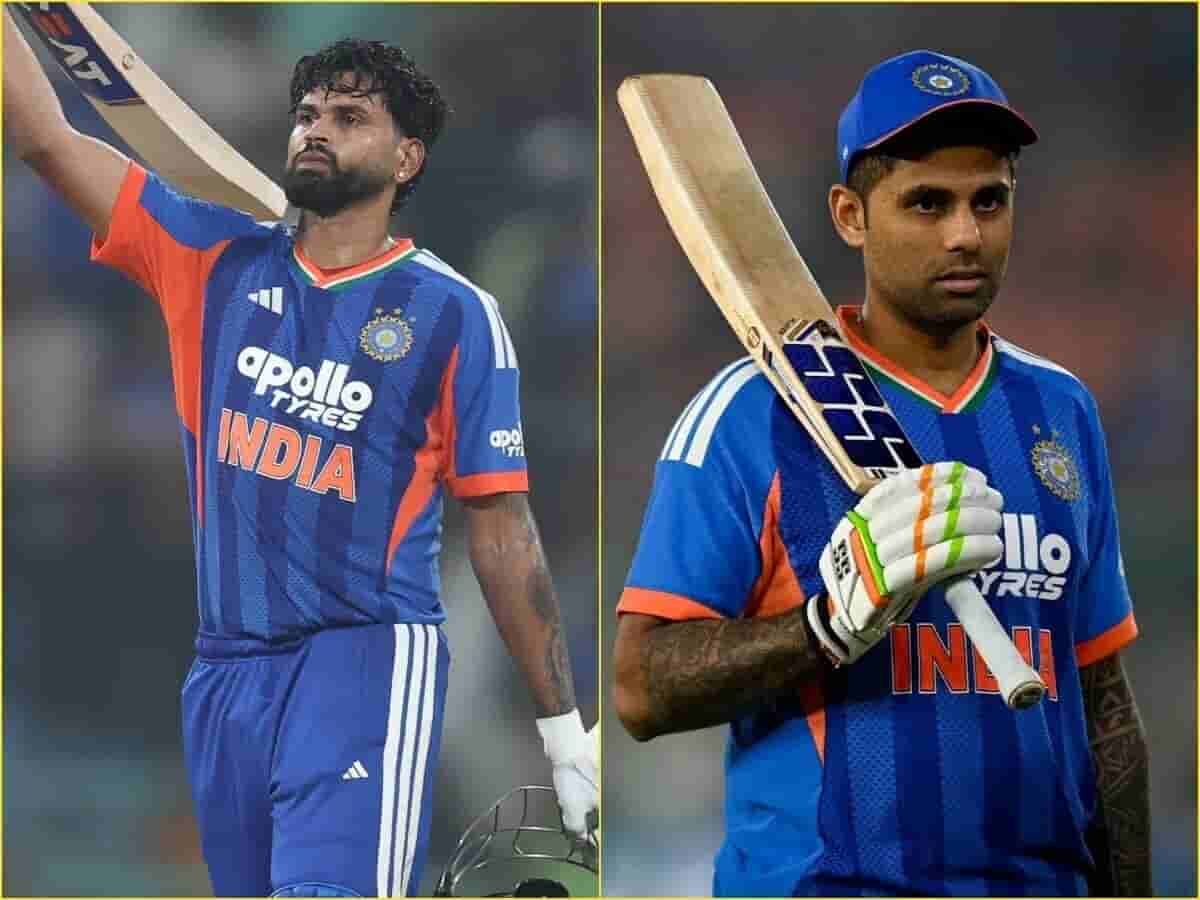
In the high-stakes theater of modern Indian cricket, the captain’s armband has never provided an impenetrable shield against the scrutiny of personal performance. Across the country’s cricketing circles—from Mumbai’s Maidan discussions to digital fan forums—a glaring debate has erupted around current white-ball captain Shreyas Iyer. While the Indian side has maintained a commanding 3-1 series lead on their challenging tour of New Zealand, the captain’s personal returns with the willow have raised serious red flags. Parallels are increasingly being drawn to his predecessor, Suryakumar Yadav, whose successful leadership stint was ultimately cut short not due to tactical blunders or poor team results, but because of a prolonged, suffocating slump with the bat. As Iyer navigates this testing phase, analysts and former players are asking an uncomfortable question: is Shreyas Iyer unwittingly walking into the exact same trap that cost Suryakumar his coveted captain’s cap?
The Suryakumar Yadav Precedent: When Match-Winning Records Couldn’t Save the Throne
To understand the mounting pressure on Shreyas Iyer, one must revisit the circumstances surrounding the leadership transition away from Suryakumar Yadav. Tactically and statistically, Suryakumar’s tenure as India’s T20I skipper was remarkably successful. Under his helm, the Men in Blue maintained an enviable bilateral win record, lifting trophies across conditions and suffering just 8 defeats in 50 matches. However, the intense burden of captaincy began steadily eroding Suryakumar’s signature weapon—his fearless, innovative, 360-degree run production. Over an extended stretch, the explosive batter who once terrorized world bowling attacks looked weighed down by tactical overthinking, suffering a sharp decline in average and strike rate. In modern T20 cricket, where a specialist top-order batter cannot afford to hide behind field placements, the national selection committee led by Ajit Agarkar made the ruthless call that tactical acumen cannot compensate for a captain who fails to justify his spot as an outright batter.
Shreyas Iyer’s Stuttering Willow: Dismal Numbers in the Kiwi Stronghold
Now, that very same script appears to be unfolding for Shreyas Iyer. Appointed to inject stability and tactical maturity into the side following his domestic and IPL triumphs, Iyer’s individual bat has grown strikingly quiet during critical junctures. In the ongoing five-match T20I bilateral series against New Zealand, Iyer has managed a meager 76 runs across 4 innings at an underwhelming average of just 19. His highest score of the tour stands at a modest 42, with repeated dismissals against back-of-a-length pace and tight seam bowling exposing lingering technical vulnerabilities. While victories in the first three games masked his individual shortcomings, the crushing 87-run defeat in the fourth encounter brought the captain’s lack of runs into sharp, unforgiving focus.
The Looming Bench Pressure: Contenders Knocking on the National Door
What makes Iyer’s situation particularly precarious is the sheer depth of batting firepower waiting in the wings of Indian cricket. With young dynamic talents like Tilak Varma, Sanju Samson, and emerging prodigies performing consistently in both domestic circuits and franchise tournaments, maintaining a non-performing captain in the top order becomes an unsustainable luxury for head coach Gautam Gambhir and the selection panel. Statistically, across 25 matches since taking over the reins, Iyer has accumulated 666 runs at an average of 26.58—respectable on paper, but heavily skewed by isolated knocks against England and the West Indies. When matched against the rapid-fire demands of contemporary international cricket, an anchor-style batter struggling for fluency creates a bottleneck in the batting order. If Iyer cannot arrest this downward slide and rediscover his aggressive, counter-attacking flair, history suggests that the selectors will not hesitate to pull the trigger once again, proving that leading from the front requires runs above all else.