North India Statesman
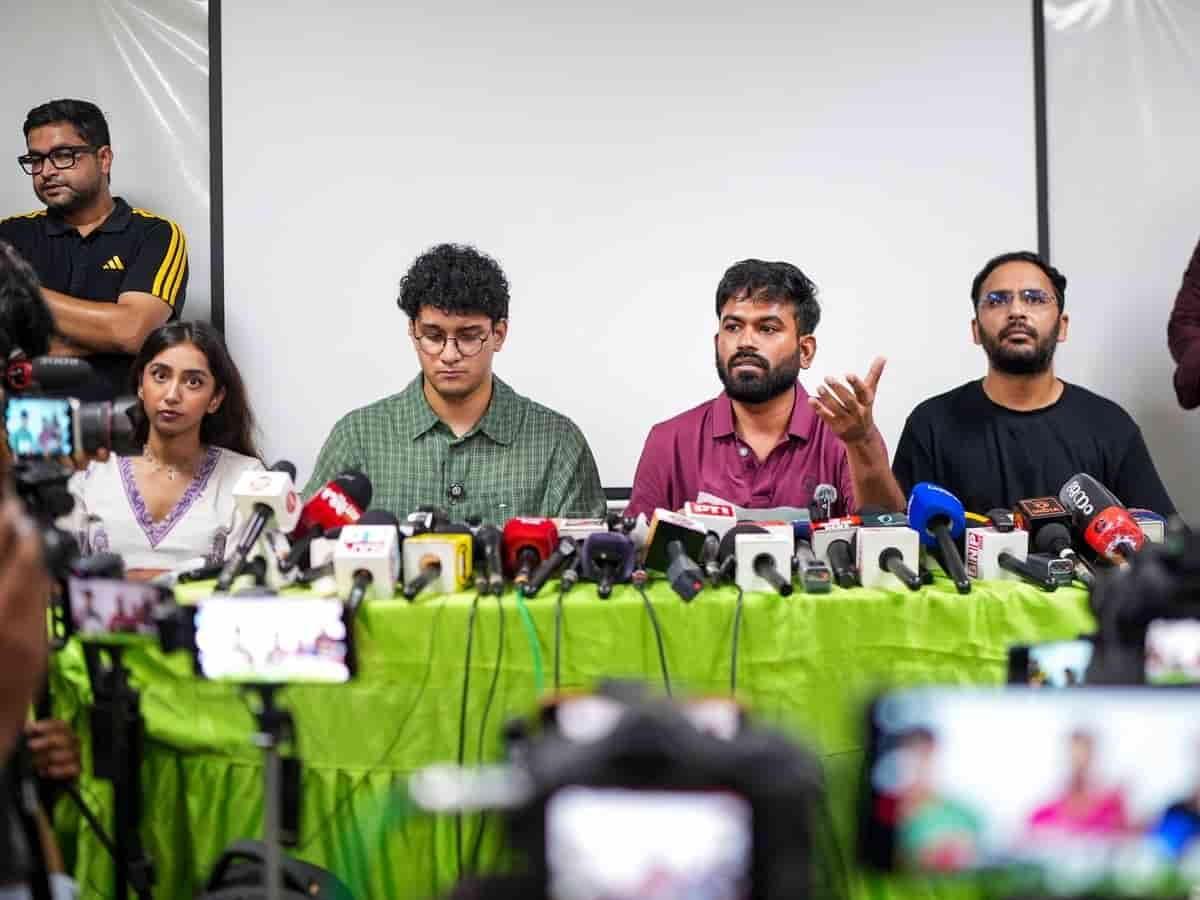
In a significant organizational push ahead of the upcoming Uttar Pradesh Assembly elections, the youth-led protest platform Cockroach Janta Party (CJP) has announced a nationwide structural expansion, appointing new zonal in-charges and constituting state-level coordination committees across 10 states and regions. Through an official press statement issued on Saturday, November 14, 2026, the group unveiled a dedicated 16-member coordination committee for Uttar Pradesh—its largest state unit—signalling an aggressive push to build grassroots political accountability from Lucknow, Kanpur, and Meerut to Prayagraj and Saharanpur. While political observers view the timing as a strategic buildup before the high-stakes Uttar Pradesh electoral cycle, CJP leadership clarified that the organization will operate strictly as a political pressure group rather than contesting elections as a formal political party.
New Zonal In-Charges and Key Organizational Appointments
Under the latest organizational restructuring, the CJP has appointed Dr. Vivek Sangwan as the North Zone in-charge—a role that brings Uttar Pradesh, Haryana, Rajasthan, Uttarakhand, and Jammu and Kashmir under his regional oversight—while naming Kshitij Pagar as the West Zone in-charge. To strengthen operational synergy across northern states, Muhammad Junaid and Geegraj Jorli have been inducted as members of the North Zone Coordination Committee. Alongside zonal leadership, the outfit has rolled out state and regional coordination panels across nine states and the Northeast region. Uttar Pradesh leads the list with 16 committee members, followed by Maharashtra with 15, Jharkhand and the Northeast Zone with 14 members each, Bihar with 13, West Bengal with 12, Haryana and Uttarakhand with six members each, Rajasthan with five, and Jammu and Kashmir with four.
Inside CJP’s 16-Member Uttar Pradesh Coordination Committee
Reflecting its focus on student activism and youth mobilization across Uttar Pradesh, the newly formed 16-member UP state coordination committee brings together student leaders, young lawyers, civil services aspirants, and grassroots activists from key districts. The Uttar Pradesh panel includes Akash Bhadana, Anuj Bhadana, Danish Raziq, Dheeraj Paswan, Gajendra Singh, Gajendra Gurjar, Madhu Kiran, Prempal Singh, Rahul Chaurasia, Saziya Khan, Shrikant, Shubham Verma, Subhobhit Jayant, Taruni Kumar, Udaykant, and Vikas Chaurasia. Several appointees bring direct campus and civic organizing experience from across the state, including former student union leaders from Meerut, youth organizers active in Lucknow, Kanpur, and Saharanpur, and civil services aspirants from Prayagraj. Their primary mandate is to unify local volunteers, document civic and educational grievances, and coordinate district-level campaigns across Uttar Pradesh.
What CJP Explains About Its Work and Grassroots Mandate
Clarifying its roadmap and operational philosophy following the appointments, CJP leadership emphasized that the organization is not seeking electoral tickets or power, but rather institutionalizing citizen oversight. CJP National Media Coordinator Subhasree Das stated that the group remains committed to functioning as a political pressure group with no plans to float a formal political party. According to Das, six months after the movement’s inception, expanding into structured state committees was essential to help ordinary citizens and students raise local issues effectively. Meanwhile, National Organisation In-Charge Ajinkya Shinde explained that the newly appointed state representatives will launch a constituency-wise performance audit of elected public representatives. Starting with Lok Sabha constituencies and subsequently expanding to Vidhan Sabha (Assembly) constituencies in states like Uttar Pradesh, CJP teams will track whether MPs and MLAs have delivered on their manifesto promises. To scale its membership base, the organization has also initiated on-ground outreach drives across college campuses and public hubs, distributing QR codes for instant online registration and issuing digital membership identity cards.
From Viral Protest Movement to Structured Pressure Group
Founded by Abhijeet Dipke in May 2026 as a satirical online reaction after remarks by Chief Justice of India Surya Kant referring to individuals with fake degrees and unruly online conduct drew widespread youth backlash over unemployment, the Cockroach Janta Party rapidly evolved into a prominent youth mobilization network. Over the past six months, the platform—largely driven by undergraduate students, software engineers, and young legal professionals—gained national attention through a 36-day sit-in protest at Delhi’s Jantar Mantar demanding accountability over NEET-UG examination irregularities. More recently, the group has campaigned around electoral roll transparency during the Special Intensive Revision (SIR) exercise and backed opposition demonstrations in the national capital. By establishing a 16-member coordination apparatus in Uttar Pradesh well ahead of the state assembly polls, CJP aims to channel youth frustration over recruitment delays, education standards, and civic accountability into an organized grassroots watchtower across India’s most politically decisive state.