North India Statesman
[ad_1]
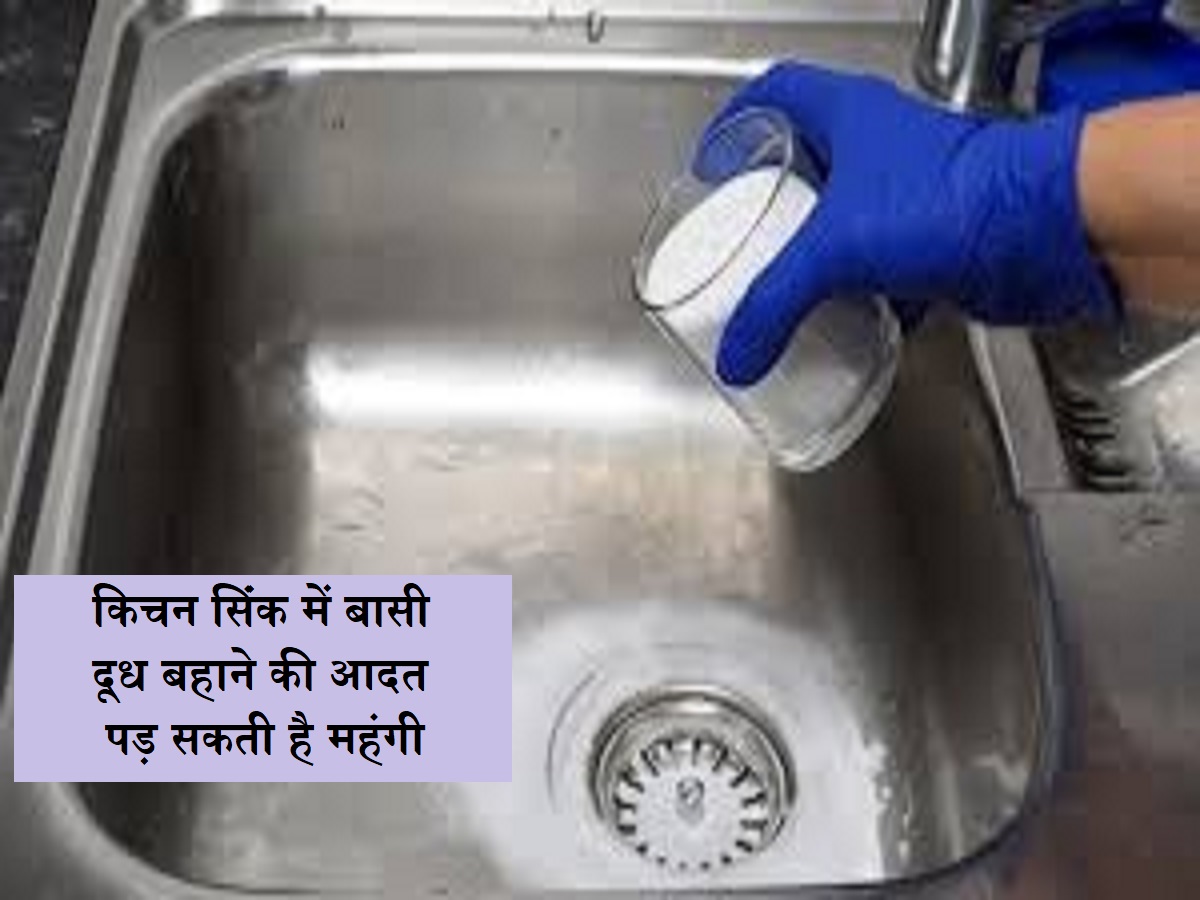
News India Live, Digital Desk: Clogged Drains: Our homes often have many small habits that we do without thinking. One of these is to shed bad or stale milk directly into the kitchen sink. We think this is the easiest way to settle, but do you know that your ‘convenient’ habit can create serious problems for both your kitchen and environment in the long term? This can not only jam your drains, but can also cause an unpleasant odor in the house. Then why should not be shed in a bad or stale milk sink? Indeed, the fat present in milk, ie fat, when passes through cold pipes of the sink or comes in contact with other substances, it begins to freeze. This accumulated fat gradually sticks to the walls of your kitchen drains. Over time, this fat becomes hard and makes a thick layer by implicating other food particles and debris, causing completely interruptions to the drains. This obstruction not only prevents the flow of water, but can also damage the pipeline, after which you may have to do expensive repair work. Not only obstruction, this rotten milk also produces a strong and rotten smell in your kitchen. Milk contains lactose, which breaks out when exposed to air and in the effect of bacteria, leading to a pungent smell. This smell is not only limited to drains, but can spread throughout the kitchen and make the home environment unpleasant. In addition, this stale milk deposited in the drains becomes a reproductive site for bacteria and fungus, which can attract pests such as cockroaches and mice in your kitchen, which is a big threat to hygiene and health. So, what to do with stale milk? If you are fond of horticulture or make kitchen compost, then bad milk is a great option. This will nourish manure and prove beneficial for plants, as milk contains nutrients such as nitrogen, phosphorus and calcium. However, before pouring it directly into the plants, take it lightly in the water so that the acidicity of milk does not harm the plants. Some people also give it to their pets, but in this case, always consult your vet, because the stomach of all animals cannot digest milk correctly. If all this is not possible, put it in a sealed bag and put it in the dustbin, instead of shed directly into the drain. To maintain a clean and problem-free kitchen, it is very important to properly deal with bad milk.
[ad_2]