North India Statesman
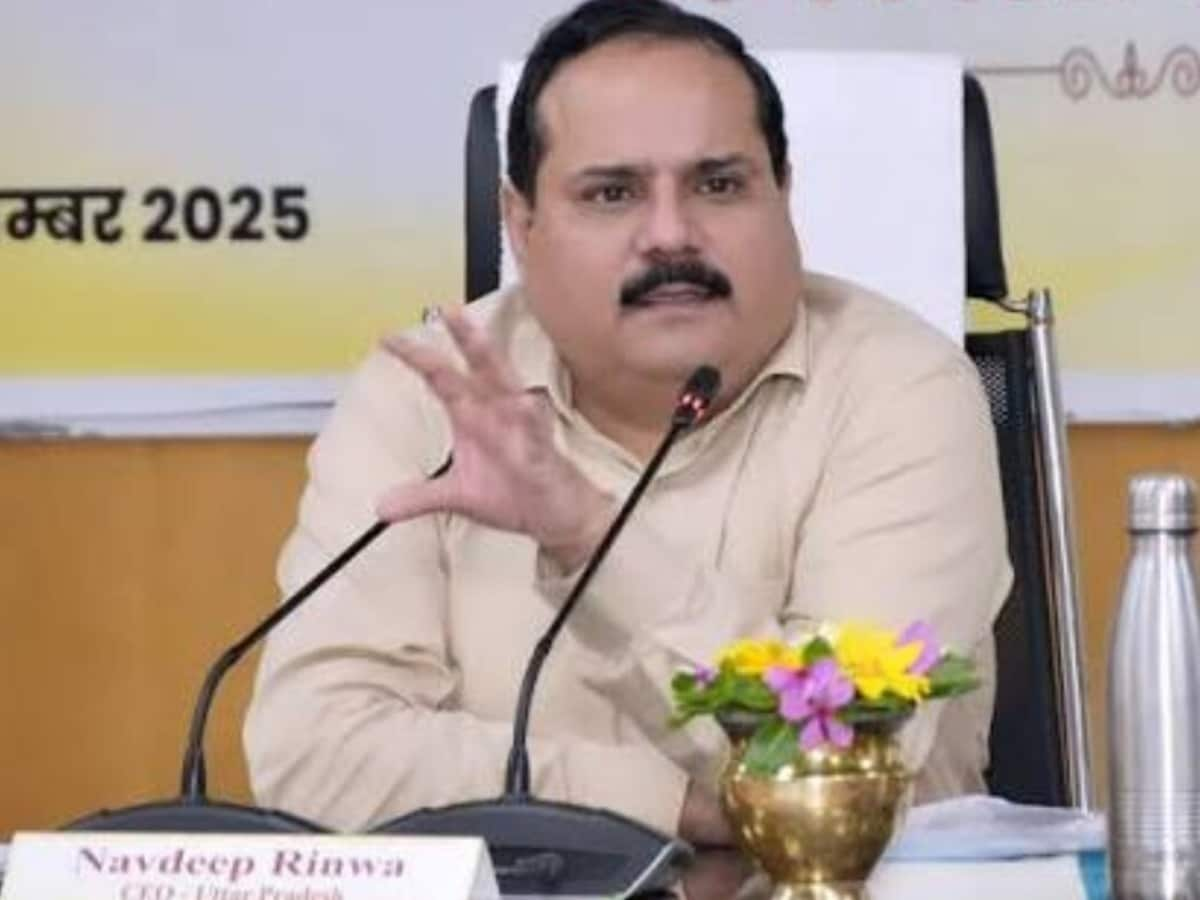
In a decisive push to safeguard the integrity of electoral rolls ahead of upcoming revision exercises, the Election Commission of India (ECI) has ordered the immediate deactivation and blocking of login IDs of all computer assistants deployed across Electoral Registration Offices (ERO) throughout Uttar Pradesh. The sweeping directive, executed through the office of Uttar Pradesh Chief Electoral Officer (CEO) Navdeep Rinwa, strips outsourced and contractual computer operators of direct access to the central electoral database. The action represents an institutional safeguard designed to plug technological loopholes and prevent unauthorized additions, deletions, or identity substitutions on the commission’s specialized management portals.
The Pilibhit Catalyst: How Over 10,400 Fraudulent Voter Modifications Surfaced
The decision stems directly from a major voter list manipulation scandal uncovered in the Pilibhit Assembly constituency. Between late May and late August, an inquiry revealed that approximately 13,779 modification applications (predominantly Form 8) were uploaded onto the digital portal, out of which 10,470 irregular entries were approved without corresponding physical paper application forms or mandatory supporting documentation being present in official records.
Investigations exposed cases where genuine electors were stealthily overwritten with fraudulent identities—altering names and parentage on existing Electors Photo Identity Card (EPIC) numbers—often executed in rapid bulk batches after standard office hours using shared administrative credentials. Following initial inquiry findings, the state poll body:
-
Dismissed computer assistant Anil Kumar from election service.
-
Ordered administrative suspension and initiated criminal First Information Reports (FIRs) against two Sub-Divisional Magistrates (SDMs) who served as Electoral Registration Officers during the scrutiny period.
-
Initiated corrective procedures to rectify all 10,470 manipulated voter entries under prescribed statutory rules.
Plugging Portal Loopholes: Directives Issued by the Chief Electoral Officer
To ensure similar vulnerabilities cannot be exploited across any of the state’s 75 districts, CEO Navdeep Rinwa has instituted a series of strict administrative protocols:
-
Total Bar on Manual Entry by Operators: Computer assistants are completely prohibited from entering applications received via physical paper forms. Physical application forms must now be digitised exclusively by Booth Level Officers (BLOs) through the designated official BLO App.
-
Credential Secrecy and Mandatory Password Resets: Officers holding statutory ERO authority have been strictly directed never to share their ERONET and ECINET portal login credentials or passwords with subordinate or contractual staff. Immediate password changes under updated security policies have been mandated across all administrative desks.
-
Audit of Forms 6, 7, and 8: A comprehensive state-wide audit has been launched to scrutinize every voter inclusion, deletion, and modification form entered through computer assistants over past revision periods, including related discrepancies noted in Azamgarh.
-
Pre-SSR De-duplication Clean-up: Ahead of the upcoming Special Summary Revision (SSR) and the publication of draft electoral rolls, divisional commissioners (serving as designated Roll Observers) have been directed to conduct intensive monitoring to eliminate duplicate or invalid entries from the database.
Securing Democratic Integrity
By centralizing data modification protocols and removing intermediary operator credentials, the Election Commission aims to eliminate systemic security flaws at the grassroots level. The overhaul establishes clear personal accountability for designated Electoral Registration Officers, ensuring that every modification to the voter register is backed by verifiable documentation and authorized field scrutiny.