North India Statesman
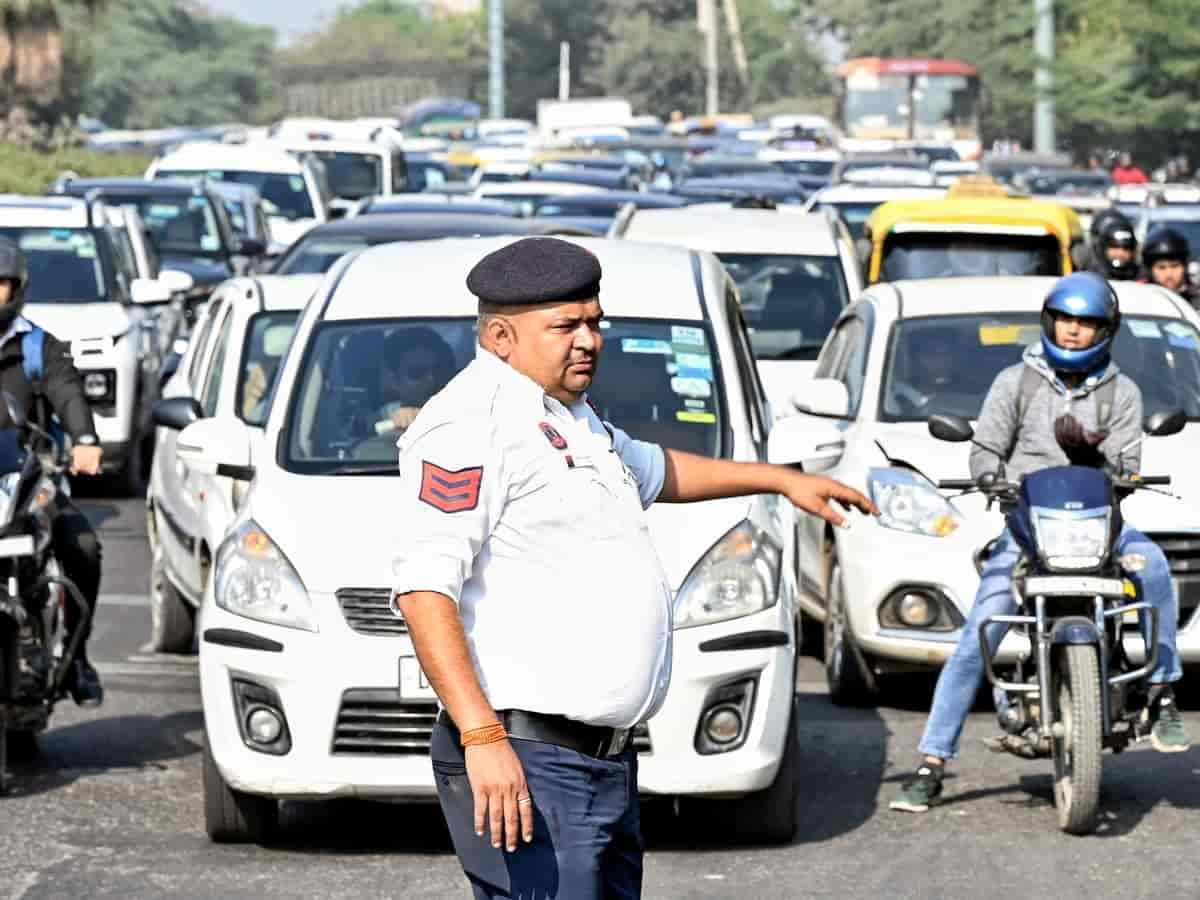
In an aggressive pre-emptive measure against the annual winter air quality crisis, the Commission for Air Quality Management (CAQM) and Delhi government authorities have enforced stringent border entry restrictions taking effect from November 1. The worst-hit region in Uttar Pradesh is Ghaziabad—alongside neighboring Gautam Buddha Nagar (Noida and Greater Noida)—where local transport registration data indicates that nearly 80% of the active vehicular fleet does not comply with Bharat Stage VI (BS-VI) emission norms. Commuters, logistics operators, and daily office-goers driving non-compliant vehicles across border checkpoints will face immediate denial of entry and hefty challans.
Why the Restriction Hits Ghaziabad and UP NCR So Hard
The sudden clampdown is part of the winter action plan under the Graded Response Action Plan (GRAP) framework aimed at slashing cross-border vehicular tailpipe emissions. Commercial transport associations and local RTO figures reveal that a massive proportion of light goods vehicles (LGVs), medium goods vehicles (MGVs), heavy transport trucks, and private passenger cars registered in Ghaziabad run on older BS-III petrol or BS-IV diesel engines. Because BS-VI standards only became mandatory nationwide in April 2020, older commercial carriers and long-serving private vehicles registered prior to the cutoff point fall squarely under the non-entry criteria.
Which Vehicles Are Banned vs. Allowed Entry
To prevent chaos at high-traffic border crossings like Ghazipur, Maharajpur, and Anand Vihar, enforcement authorities have outlined clear compliance boundaries:
-
Strictly Prohibited: Non-BS-VI diesel and petrol commercial freight vehicles, non-BS-VI interstate and All India Tourist Permit (AITP) private buses, and non-compliant outstation passenger vehicles.
-
Permitted Vehicles: All 100% Electric Vehicles (EVs), Compressed Natural Gas (CNG) buses and commercial carriers, Liquefied Natural Gas (LNG) trucks, and strictly verified BS-VI compliant diesel/petrol vehicles.
-
Exempted Categories: Ambulances, fire brigades, police emergency response units, and specialized vehicles ferrying essential medical supplies and life-saving goods.
High-Tech Border Surveillance and Strict Penalties
Commuters hoping to bypass checking desks will find Delhi’s border perimeters fortified with Automatic Number Plate Recognition (ANPR) high-definition cameras. These cameras sync instantly with the VAHAN central national vehicle database, automatically flagging vehicle emission levels, fuel type, registration state, and Pollution Under Control Certificate (PUCC) validity in real time. Flying squads from the Delhi Transport Department, backed by Delhi Traffic Police, will divert non-compliant vehicles back toward Eastern Peripheral Expressways and internal UP corridors, with violators facing compounding penalties under the Motor Vehicles Act.
Commuter Advisory: Preparing for the Restriction Window
With the entry prohibition scheduled to remain active until at least January 31, daily commuters from Ghaziabad and Noida are strongly urged to adapt their travel routines:
-
Verify your vehicle’s registration certificate (RC) to confirm whether your engine is certified BS-VI.
-
Ensure your Pollution Under Control Certificate (PUCC) is current to avoid fuel pump denials inside Delhi under the mandatory “No PUC, No Fuel” directive.
-
Switch to the Delhi Metro network, Namo Bharat (RRTS) trains, or verified CNG/EV public transport services for seamless daily interstate transit.