North India Statesman
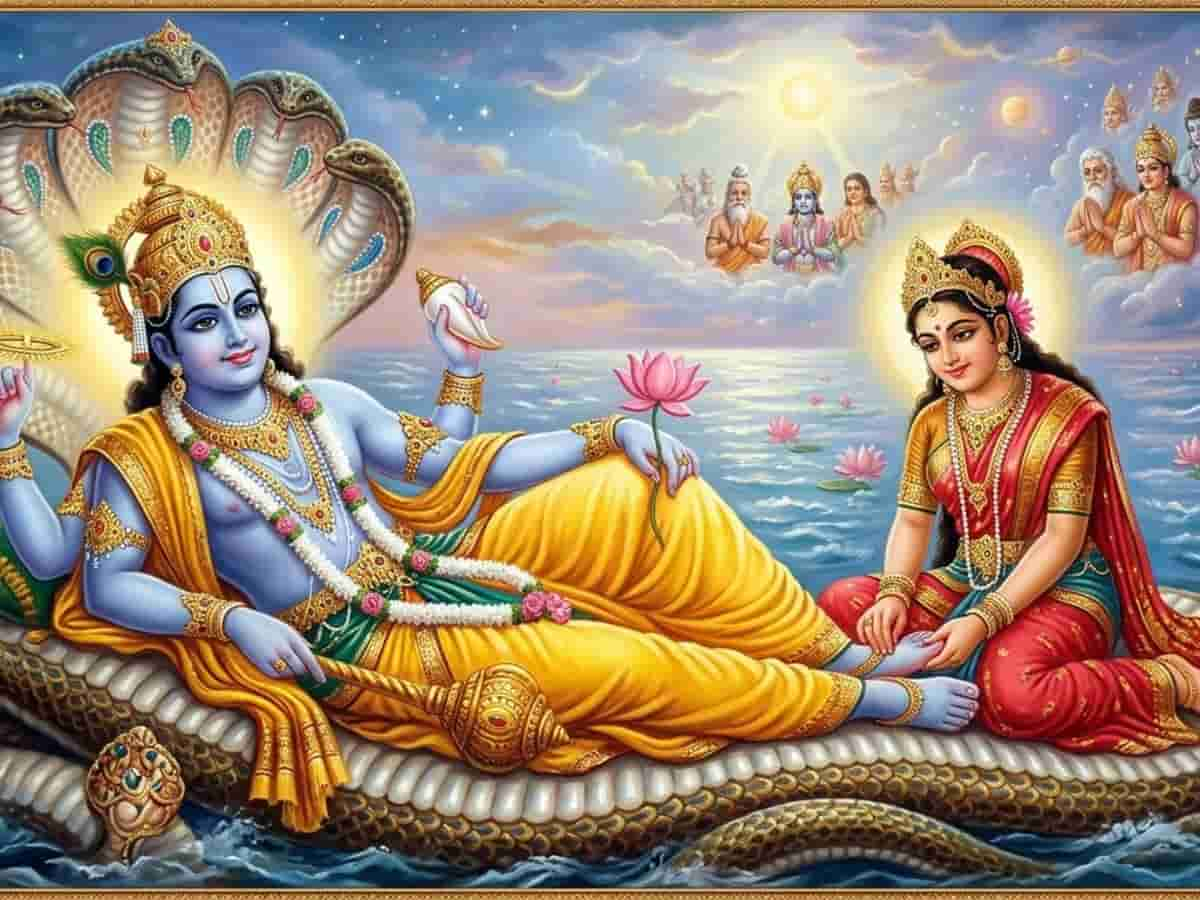
Devuthani Ekadashi, also known as Prabodhini Ekadashi or Devutthana Ekadashi, marks the momentous conclusion of Lord Vishnu’s four-month cosmic slumber (Chaturmas). Devotees across the country celebrate this sacred occasion with intense fasting, lighting evening lamps, offering seasonal harvests, and solemnizing the sacred Tulsi Vivah. However, when astrological charts indicate the presence of Bhadra (Vishti Karana) coinciding with the Ekadashi Tithi, spiritual seekers and households often wonder if regular worship rules, fasting schedules, or rituals must undergo major modifications. In Vedic astrology, Bhadra is regarded as a fierce period usually avoided for auspicious beginnings like marriages, housewarmings, or contract signings, sparking concerns regarding the deity’s awakening rites.
Do the Core Rules of Lord Vishnu’s Worship Change?
Vedic scriptures and classical Muhurat texts make a clear distinction between daily divine worship (Nitya Puja), spiritual vows (Vrat), and secular auspicious ceremonies (Manglik Karya). The simple answer is that the core rules of worshipping Lord Vishnu do not change under the shadow of Bhadra. Spiritual devotion, chanting the Vishnu Sahasranama, offering prayers, observing a fruit or water fast, and meditating on the Supreme Lord are completely transcendental acts that remain untainted by Bhadra. Devotees can wake during the Brahma Muhurta, take a sacred bath, take their fasting resolution (Sankalpa), and perform the daytime deity worship without fear or hesitation.
Impact on the Divine Awakening Ritual and Evening Ceremonies
The primary ritual of Devuthani Ekadashi involves awakening the Lord with traditional bell ringing, conch blowing, and the recitation of sacred awakening mantras like the Utthishto Utthishta Govinda shloka. Because this ceremony is dedicated exclusively to the Supreme Deity and serves spiritual liberation rather than material endeavor, astrologers clarify that routine home prayers and waking the Lord in the evening should continue uninterrupted. However, tradition suggests that the ritual is performed with pure Sattvic intent:
-
Offer yellow flowers, sandalwood paste, and sacred Tulsi leaves to Shaligram or Lord Vishnu idols.
-
Prepare offerings of fresh seasonal produce including sugarcane, singhara (water chestnuts), sweet potato, and radishes.
-
Light cow-ghee earthen lamps (Deep Daan) across courtyards and doorways to dispel darkness.
Tulsi Vivah and Major Manglik Activities: What Requires Caution
While devotional prayers and fasting face no hindrance, the ceremony of Tulsi Vivah (the ceremonial wedding of Tulsi and Shaligram) represents a formal wedding rite. Classical Panchang rules strongly prohibit performing wedding rituals or inaugurating grand worldly celebrations during the exact duration of Bhadra, particularly when Bhadra resides in the earthly realm (Bhulok). Therefore, if Bhadra prevails during daytime or evening hours, scholars advise postponing the formal Tulsi Vivah ceremony until Bhadra concludes, or scheduling it during the late evening/night or on Dwadashi Tithi. Furthermore, broad worldly ceremonies—such as human weddings, engagements, mundan ceremonies, and Griha Pravesh—remain on pause until both the Ekadashi rituals conclude and the Bhadra period passes completely.
Essential Do’s and Don’ts for Fasting Devotees
To ensure that your Devuthani Ekadashi fast delivers maximum spiritual fruit regardless of planetary shadows, adhere to these time-honored guidelines:
-
Strictly abstain from consuming grains, lentils, rice, beans, onions, and garlic throughout the day.
-
Avoid plucking fresh Tulsi leaves on the day of Ekadashi itself; pluck them a day prior for the rituals.
-
Maintain a calm, peaceful demeanor and avoid daylight sleeping, disputes, or negative speech.
-
Ensure the fast is broken (Parana) on Dwadashi Tithi only after sunrise, while avoiding the period of Hari Vasara.