North India Statesman
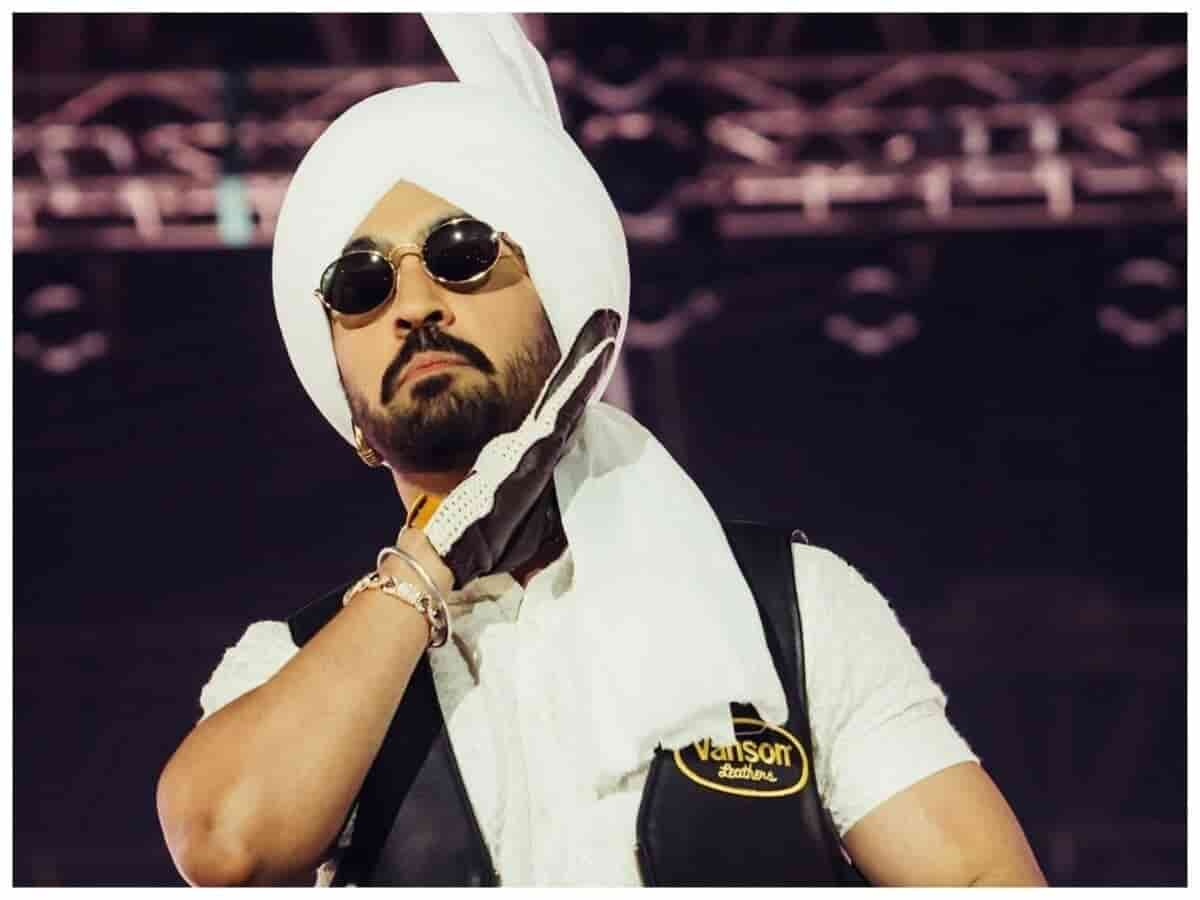
Global Punjabi music icon Diljit Dosanjh addressed recent buzz and speculation by confirming his major concert date in Delhi at the renowned Jawaharlal Nehru Stadium, Delhi. The announcement follows a flurry of public attention regarding concert permissions, security arrangements, and recurring legal scrutiny concerning specific tracks in his live setlist. Addressing fans online, the singer brushed aside swirling rumors, urging listeners not to jump to conclusions before verified announcements are released and assuring concertgoers of an electric performance on stage.
Concert Schedule Confirmed at Jawaharlal Nehru Stadium
The high-voltage performance is set for the massive Jawaharlal Nehru Stadium, Delhi arena, anchoring the capital leg of his stadium-scale India tour. Following intensive coordination between event organizers and law enforcement authorities over traffic, crowd management, and festival-season safety protocols, the show received full clearance to proceed. Fans across Delhi-NCR have been advised to plan their transit well in advance via the Delhi Metro network, with stadium entry gates opening early in the evening to facilitate seamless security checks and organized seating across all zones.
Scrutiny and Notices Over Alcohol and Violence-Themed Lyrics
Alongside anticipation for the tour, fresh scrutiny has emerged regarding calls and official directives aimed at curbing live performances of songs referencing alcohol, drugs, and gun culture. Past notices and public representations have singled out popular tracks like Patiala Peg, 5 Taara, and Case, warning that such themes negatively influence impressionable youth audiences. In earlier tour legs, regulatory bodies and child rights departments issued formal notices directing organizers to ensure that lyrics promoting substance use or violence are excluded or modified during stadium events.
Diljit’s Take on Lyric Modifications and Double Standards
Responding to the ongoing debates around song bans and lyric restrictions, Diljit has maintained a pragmatic yet vocal stance. The performer highlighted that adapting his tracks on stage is straightforward, frequently replacing references to alcohol with playful, relatable alternatives such as coke or other beverages during live renditions. However, he also pointed out perceived double standards across the entertainment landscape, questioning why independent regional artists often face immediate censorship while major commercial campaigns and mainstream film releases actively showcase alcohol culture without similar pushback.