North India Statesman
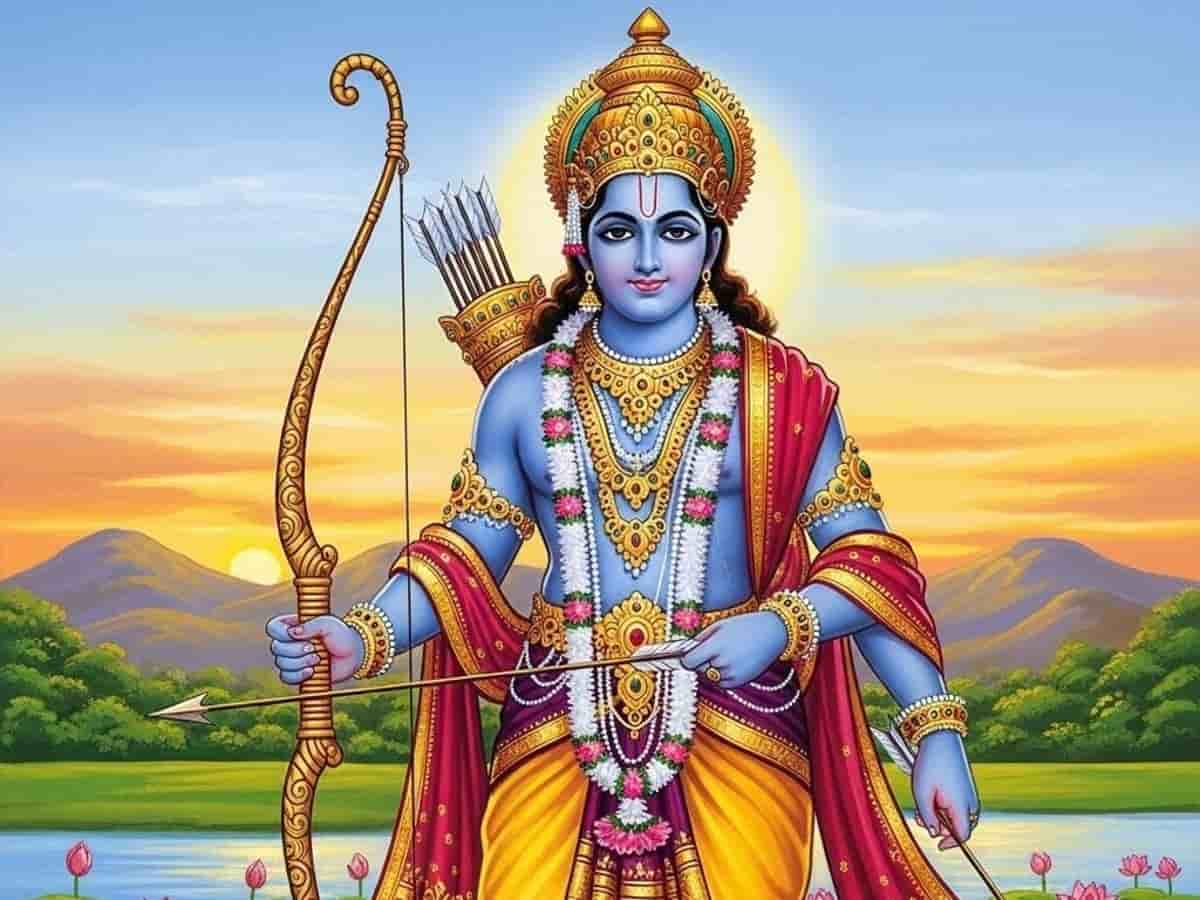
Vijayadashami stands as one of the most spiritually charged festivals on the Sanatan calendar, commemorating the ultimate victory of dharma over adharma, truth over falsehood, and divine righteousness over tyranny. It marks the momentous day when Bhagwan Shri Ram vanquished the demon king Ravana in Lanka, while simultaneously celebrating Maa Durga’s victory over the demon Mahishasura after nine days of fierce battle. While the entire day of Dashami is traditionally recognized as an Abuja Muhurat—a period inherently free of inauspicious flaws where major decisions can be taken without checking planetary alignments—the presence of the exact Vijay Muhurat elevates personal spiritual practices to extraordinary heights. This year, Vedic panchang calculations indicate that a remarkably compact 45-minute window serves as the supreme auspicious timeframe for formal worship. Astrologers and scholars point out that performing rituals during this fleeting interval acts as a cosmic catalyst, channeling vitality, clearing longstanding litigations, and breaking cycles of lingering career stagnation.
Decoding the Significance of the 45-Minute Vijay Muhurat
The concept of Vijay Muhurat originates from traditional Vedic electional astrology (Muhurat Shastra), which divides the daytime into fifteen distinct segments. Falling precisely during the afternoon, usually overlapping the Aparahna or early Pradosh sandhi, this timeframe holds the unique ability to destroy all negative planetary doshas and bless new initiatives with triumph. Because this peak alignment lasts just 45 minutes, devotees and seekers are urged to prepare their puja items well in advance to avoid missing the critical duration. According to ancient scriptures, prayers initiated during this window do not encounter resistance from malefic influences, which is why historical rulers and warriors chose this specific time to consecrate their armaments, embark on military campaigns, and initiate major governance strategies. In modern life, tapping into this window is recommended for inaugurating businesses, signing critical contracts, seeking career promotions, and initiating academic or spiritual vows.
Step-by-Step Shri Ram Puja Vidhi for Maximum Divine Grace
To harness the potent energy of the Vijay Muhurat, the worshipper should first cleanse the puja altar and sprinkle Gangajal throughout the sacred space to sanctify the surroundings. Place a clean yellow or red silk cloth on an elevated wooden chauki, and respectfully install the idol or sacred portrait of Bhagwan Shri Ram, preferably flanked by Mata Sita, Lakshman ji, and Shri Hanuman. Begin the ceremony by lighting an earthen or brass lamp filled with pure cow ghee alongside fragrant sandalwood incense sticks. Offer fresh yellow flowers, sacred tulsi leaves, akshat (unbroken raw rice mixed with a touch of turmeric), and chandan paste to the divine feet of the deity. Following the initial panchopachara or shodashopachara offerings, present seasonal fruits and sweet preparations like kheer, besan laddoos, or peda as naivedya. Keep the focus singular and calm throughout the entire ritual, maintaining inner reverence rather than rushing through the physical steps.
Powerful Mantras to Invoke Courage, Protection, and Success
Chanting dedicated Rama mantras during the 45-minute window directly connects the conscious mind to the higher protective energy of the divine prince of Ayodhya. The most straightforward yet profoundly impactful mantra is the Taraka Mantra, “Om Ram Ramaya Namah” (ॐ रां रामाय नमः), chanted 108 times with a tulsi or lotus-seed mala to alleviate mental burdens and establish absolute clarity. For those seeking deliverance from chronic obstacles, professional rivals, or overwhelming debt, recitation of the victory verse “Shri Ram Jai Ram Jai Jai Ram” (श्री राम जय राम जय जय राम) or chapters from the Sundarkand invokes the direct guardianship of Sankat Mochan Hanuman. Additionally, reciting select stanzas from the Aditya Hridaya Stotra—the very hymn Maharishi Agastya initiated Shri Ram into before the battle with Ravana—amplifies inner confidence, dispels fear of failure, and restores authority in public life.
Integrating Shami Puja and Weapon Consecration for All-Round Victory
A traditional Vijayadashami ritual remains incomplete without the worship of the sacred Shami tree (Prosopis cineraria) and the practice of Shastra Puja. Scriptural lore recalls that the Pandavas concealed their divine weapons within the branches of a Shami tree during their year of incognito exile, retrieving them on Vijayadashami to secure absolute victory in the Kurukshetra war. During the auspicious afternoon period, offering water, vermilion, and lamps to a Shami plant outside the household shields the family from the malefic gaze of Shani Dev while conferring lasting protection. Concurrently, professionals, artisans, and householders perform symbolic Shastra Puja by wiping clean and offering tilak to their professional tools, books, machinery, vehicles, and instruments of livelihood, sanctifying their day-to-day work into a medium of righteous service and enduring prosperity. Conclude the worship by distributing prasad among family members, greeting elders with humility, and resolving to conquer negative personal habits like anger, jealousy, and ego before the festive evening concludes.