North India Statesman
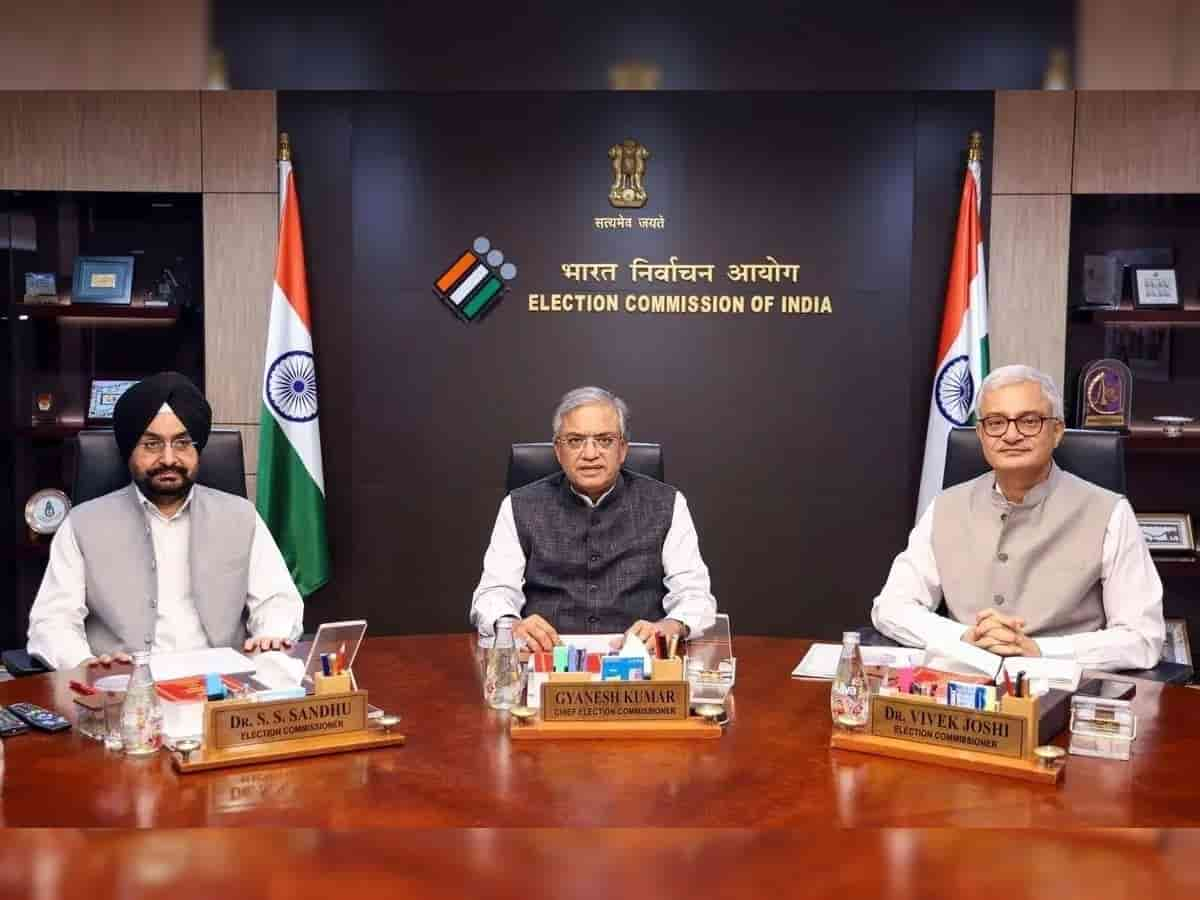
Acting in swift response to stern observations and practical guidance from the Supreme Court of India, the Election Commission of India (ECI) has officially extended the deadlines for the Special Intensive Revision (SIR) of electoral rolls across six states and Union Territories. The crucial decision comes after the apex court pressed the poll body to bridge wide exclusion gaps, address voter notice anomalies, and actively persuade unregistered citizens rather than abruptly disenfranchising them. The revision grants extended relief across Delhi, Maharashtra, Haryana, Andhra Pradesh, Telangana, and Nagaland, giving millions of omitted electors, working professionals, and regional political outfits a renewed window to submit claims, file objections, and ensure inclusion ahead of upcoming electoral battles.
Supreme Court’s Intervention on Form 6 and Mass Exclusions
The poll panel’s shift in posture follows a tense hearing before a Supreme Court bench, where judges closely scrutinized the sharp statistical drop between baseline elector counts and the draft voter lists published under the SIR framework. In regions like Delhi and Maharashtra, millions of names had been omitted from initial draft rolls under categories ranging from untraceable records to shift classifications and logical discrepancies. Emphasizing the constitutional sanctity of universal adult suffrage, the bench directed the poll watchdog to bridge the inclusion deficit, simplify the application mechanism, and allow sufficient processing bandwidth instead of rushing administrative deadlines. Recognizing the legal merit of the court’s advice, the Commission concurred, issuing directives to state chief electoral officers to push back key cutoff dates.
State-Wise Revised Deadlines for Claims and Objections
Under the newly calibrated schedule, electoral registration officers and local booth-level personnel have been granted substantial leeway to verify submissions, resolve Form 6 voter additions, and adjudicate Form 7 deletions:
-
Delhi: The deadline for filing claims and objections, earlier concluding on October 30, has been extended to November 25. The disposal period for these applications now runs through December 15, with the final electoral roll scheduled for publication on December 22.
-
Maharashtra: After the claims filing window concluded on October 26, the commission reopened the process until November 13, pushing claim disposal to November 25 and final voter publication to November 30.
-
Haryana and Andhra Pradesh: The notice and dispute resolution window has been extended to November 20, leading up to final roll publication on November 30.
-
Nagaland and Telangana: Resolution periods have been extended to November 25 and November 26 respectively, with both states slated to release their finalized rolls on November 30.
Operational Relief for Voters and Political Parties
The timeline extension brings immense operational relief to civic bodies, community workers, and political party representatives who had raised alarms over mass voter exclusions. With nearly one-third of registered voters in select urban segments previously marked for deletion during initial door-to-door enumeration, the additional window enables residents to cross-verify draft rolls online, resolve municipal paperwork mismatches, and submit biometric or residential verifications at local facilitation camps. By harmonizing court directives with ground administration, the revised framework aims to produce credible, robust, and clean electoral rolls that withstand judicial and political scrutiny.