North India Statesman
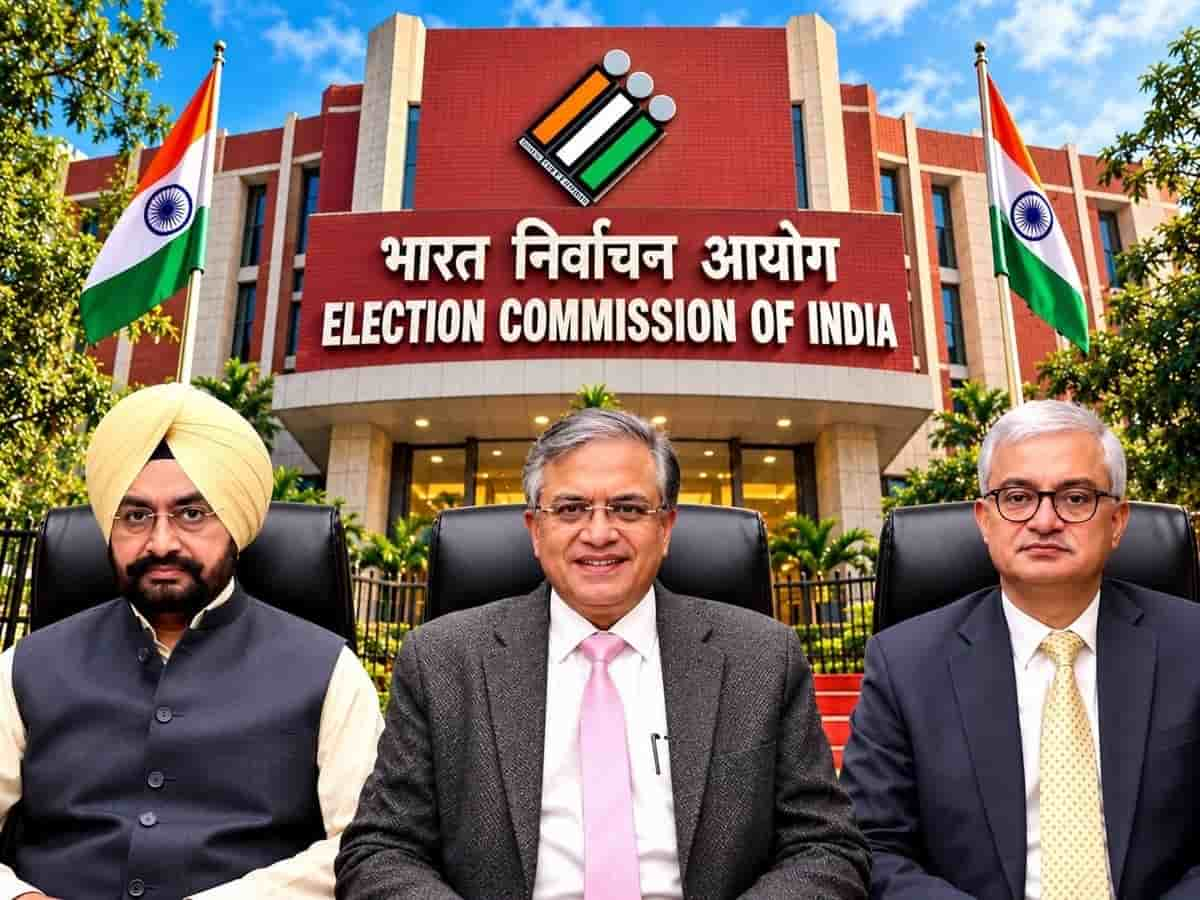
In a major judicial rebuke that has sent ripples through the poll body, the Bombay High Court at Goa has delivered a stern setback to the Election Commission of India (ECI) amid the nationwide controversy surrounding the Special Intensive Revision (SIR) drive. A division bench comprising Justice Valmiki Menezes and Justice Amit S. Jamsandekar issued a writ of mandamus directing electoral registration authorities to verify residences and restore deleted citizens to the electoral roll within a strict deadline of 10 days. The ruling came on petitions filed by voters whose names had been unceremoniously struck off the rolls following the SIR enumeration exercise despite them having exercised their franchise for decades. Emphasizing the sanctity of the democratic process, the bench flatly refused the poll panel’s plea for a two-week interim stay to challenge the order before the Supreme Court, remarking firmly that the judiciary cannot stay directions aimed at including eligible citizens on the voting register.
The Mechanical “Catch-22”: Systemic Flaws in Automated Form 8 Rejections
Delving into the administrative architecture of the revision drive, the High Court strongly reprimanded the Election Commission’s technical and automated workflow, criticizing how software algorithms mechanically tossed out legitimate applications. The court highlighted a glaring “catch-22 situation” faced by genuine citizens who had merely relocated their residence. When voters filed standard Form 8 applications to update their addresses, the poll body’s automated portal rejected them outright because their names had already vanished from the draft roll. Relocated electors were then forced into filing Form 6—a category meant strictly for first-time or new voters—which legally compelled citizens to make false declarations stating they were not registered anywhere else. The judges pointed out that forcing citizens to sign enumeration papers for past addresses or submit contradictory affidavits effectively coerced them into legal wrongdoing just to protect their fundamental right to vote.
The Core ECI Defense: De Novo Rolls vs. Automatic Carry-Forward
During the high-stakes arguments spanning four days, the Election Commission, represented by senior counsel, vigorously defended the nationwide SIR framework, maintaining that the exercise does not amount to deliberate “deletion”. The poll panel argued that unlike a routine Special Summary Revision (SSR) where existing voter registers are automatically carried forward, the Special Intensive Revision operates under Rule 25(2) of the Registration of Electors Rules, 1960, meaning electoral rolls are prepared completely de novo (afresh from the ground up). According to the commission, the draft roll only includes individuals successfully mapped via field enumeration slips; therefore, un-enumerated persons represent “non-inclusion” rather than arbitrary deletion, requiring them to file fresh Form 6 claims during the claims-and-objections window. However, the High Court refused to accept this technical defense as a justification for denying long-standing voters their fundamental franchise without adequate personal hearings.
Disenfranchisement Is Unacceptable: Bench Reminds ECI of Constitutional Duty
Rebuffing the poll panel for citing external logistical constraints and prevailing public sentiment to justify its framework, the High Court made it clear that electoral administration must be governed strictly by statutory law and constitutional guarantees. The bench underlined that before any living citizen’s voting rights are extinguished or removed from an active register, statutory principles of natural justice mandate that an individual notice and personal hearing must be provided. The court noted that instead of outrightly rejecting Form 8 address changes, authorities should have kept applications in abeyance pending field verification to prevent disenfranchisement. The judges reminded the Commission that its foremost constitutional mandate is to ensure every eligible citizen is enabled to cast their ballot, warning that automated software filters and procedural rigidity cannot be allowed to weaponize bureaucratic procedures against ordinary voters.
Nationwide Reverberations: A Precedent for Ongoing SIR Challenges
The High Court’s decisive 10-day ultimatum arrives at a critical juncture when the Special Intensive Revision drive has ignited fierce political and legal battles across several states, including Uttar Pradesh, Maharashtra, Chhattisgarh, and West Bengal. With political parties and civil rights groups already approaching the Supreme Court over allegations of mass voter deletions and faulty field checks, this high court judgment establishes an authoritative legal precedent. By declaring that technical roll resets cannot override an established elector’s voting rights, the verdict provides immediate relief to wrongfully omitted citizens and puts election registration officers nationwide on alert against arbitrary, mechanical exclusions.