North India Statesman
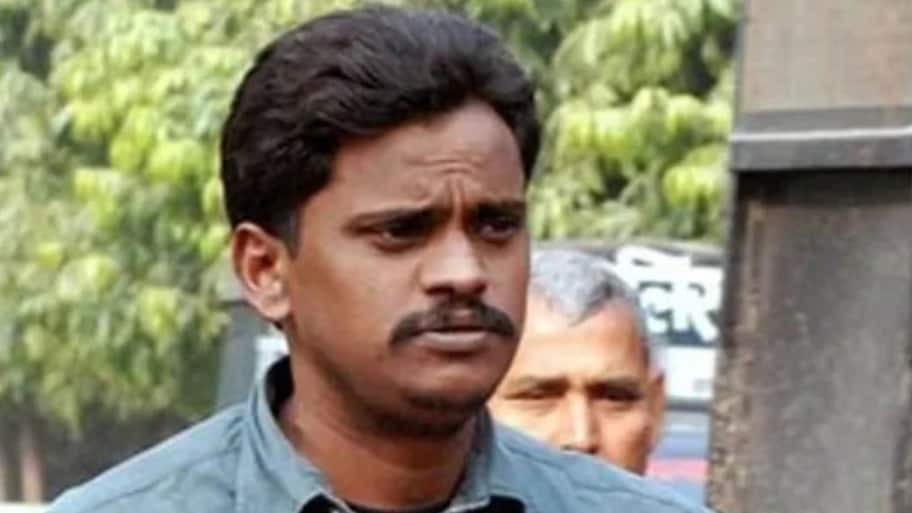
In an ironic turn of events, the hangman’s noose that Surendra Koli narrowly escaped over a decade ago has found him under vastly different circumstances. On September 18, 2026, Koli—the former domestic help who spent nearly two decades as the reviled face of the infamous 2006 Nithari serial killings—was found dead by suicide, hanging inside a modest roadside tea stall he operated in Haridwar, Uttarakhand. His death came barely ten months after the Supreme Court of India set aside his final conviction and ordered his unconditional release, ending one of modern India’s most harrowing and legally tangled criminal sagas.
Hours from the Gallow: The Midnight Stay of September 2014
Koli’s journey on death row came closest to an official end in September 2014. Having been sentenced to death across multiple trials in connection with the horrific abduction, sexual assault, and murder of young children and women at bungalow D-5 in Sector 31, Noida, Koli had exhausted his direct appeals and review petitions. Following the rejection of his mercy petition by the President, death warrants were formally issued.
Transferred to Meerut jail, authorities had checked the gallows, weighed the sandbags, and summoned the hangman for an execution scheduled at dawn on September 8, 2014.
In a dramatic legal rescue late on the night of September 7, human rights lawyers and Senior Advocate Indira Jaising rushed to the Supreme Court. In an extraordinary midnight hearing held at the residence of Justice H.L. Dattu around 1:00 AM—just hours before the executioner was set to pull the lever—the bench stayed the death warrant. A few months later, in January 2015, the Allahabad High Court commuted that specific death sentence to life imprisonment, citing an unconstitutional delay in deciding his mercy petition.
The Judicial Collapse of the Nithari Cases
Though Koli avoided the noose in 2014, he remained behind bars at Kasna Jail in Greater Noida as dozens of other connected cases progressed through trial courts. Over the subsequent decade, the foundation of the prosecution’s case—built largely on custodial confessions extracted during sixty days of police custody, questionable disclosure memos, and flawed forensic recoveries—began to unravel completely under appellate scrutiny.
-
October 2023: The Allahabad High Court acquitted Koli in 12 cases and his employer, businessman Moninder Singh Pandher, in two cases, lambasting investigating agencies for systemic procedural lapses, failing to probe organ trade angles, and planting evidence. Pandher walked out of prison soon after.
-
November 11, 2025: Facing an extraordinary legal anomaly where Koli remained convicted in one surviving case (the Rimpa Haldar case) based on the exact same evidence discredited in the other twelve, a three-judge Supreme Court bench led by Chief Justice B.R. Gavai allowed Koli’s curative petition. The apex court ruled that allowing the conviction to stand would represent a “manifest miscarriage of justice,” ordering his immediate release after nearly 19 years of incarceration.
A Fleeting Freedom and an Untimely End
On November 12, 2025, Koli walked out of prison as a legally innocent man. Far removed from Noida’s grim “House of Horrors,” he moved to Haridwar, seeking anonymity while setting up a small tea stall in the Bhupatwala area near the Lal Mata temple. However, psychological isolation, societal alienation, and the lingering shadow of past infamy accompanied his quiet civilian existence.
On Friday morning, local police were alerted after Koli was found hanging inside his stall. With no suicide note recovered, authorities registered a case and initiated forensic proceedings.
His death leaves behind a profound and unsettling void in India’s criminal justice history. While the legal system spared Koli from capital punishment only for him to take his own life in freedom, the core question that haunted the families of Nithari’s murdered children for two decades remains unanswered: if neither Koli nor Pandher committed the crimes, who killed the children of Nithari?