North India Statesman
[ad_1]
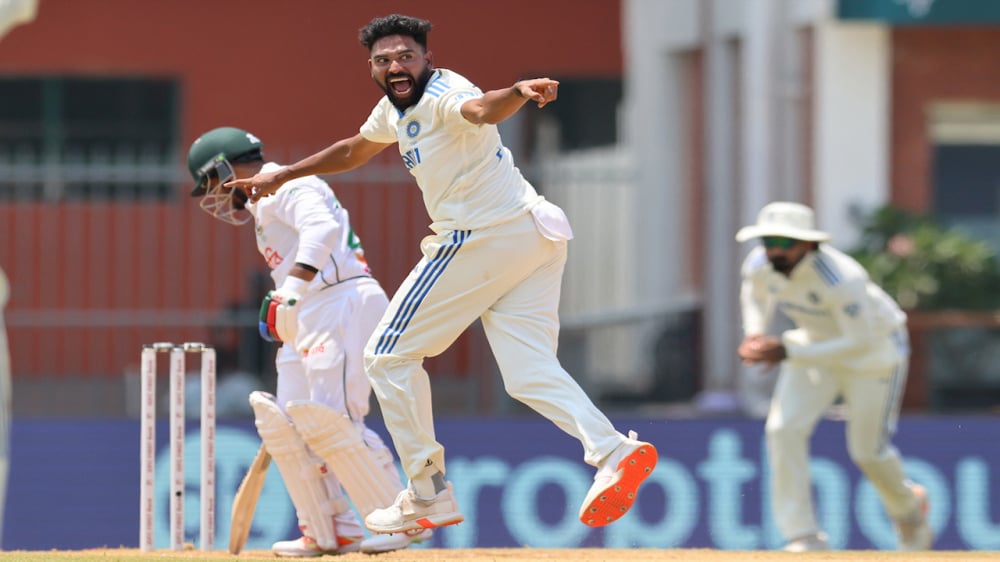
A test match is being played between India and Bangladesh. India batted first and scored 376 runs. Chasing this score, Bangladesh has lost 8 wickets for 112 runs. If Bangladesh is reduced to 176 or less, then India will have the option of follow-on. Bangladesh has to score 52 runs to avoid follow-on.
What is the follow-on rule?
There is a rule of 'follow on' in Test cricket. If a team batted first and added many runs on the scoreboard. Then the opposing team was dismissed for a low score. If the difference between the runs of the two teams is 200 runs or more, then the first team calls the second team to bat again. Once again, the team put in all its strength to dismiss the opposing team for less than 200 runs and win the match. Victory on such a 'pattern' is called a bet win. They did this many times in the history of Test cricket when the West Indies dominated. This was seen again when the era of dominance of the Australian team started.
4 memorable follow-on matches in cricket history
- England won a Test match for the first time 129 years ago i.e. in 1894 while playing follow-on. In that match, Australia cricket team batted first and scored 586 runs. In reply, England team was all out for 325 runs. Australia gave follow-on to England and scored 437 runs in their second innings. Australia needed 176 runs to win, but the entire team was all out for 166 runs.
- In 1981, England won the second time after being forced to follow on. This match was also played between Australia and England. Australia declared the first innings at 401/9. In reply, England were all out for 176 runs. Australia gave England a follow on and scored 356 runs with the help of Ian Botham (149). Chasing 130 runs, Australia were all out for 111 runs. Bob Wills took 8 wickets
- The test match played between Indian cricket team and Australia in 2001 was also memorable. Australia scored 445 runs in the first innings. In reply, the Indian team was all out for 171 runs. After this, the Indian team, which came to play the follow-on, scored 657/7 runs with the help of VVS Laxman (281) and Rahul Dravid (180). Chasing the target of 384 runs, Australia was all out for 212 runs. Harbhajan Singh took 6 wickets. India won this match.
- In the second Test between England and New Zealand which ended on Tuesday, England declared the first innings at 435/8. In reply, New Zealand's team was all out at 209 runs. Playing follow-on, New Zealand scored 483 runs with the help of Kane Williamson (132) and England's team was all out at 256 runs while chasing the target of 258 runs. With this, New Zealand won by 1 run. Neil Wagner took 4 wickets in the second innings.