North India Statesman
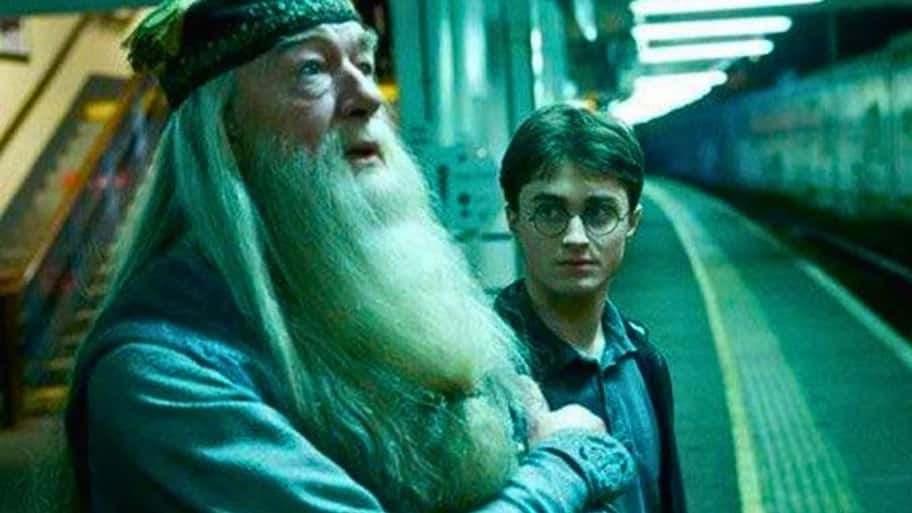
This pivotal exchange takes place in Professor Dumbledore’s office near the climax of Harry Potter and the Chamber of Secrets, just after Harry defeats the Basilisk and destroys Tom Riddle’s enchanted diary.
Throughout the story, Harry is haunted by deep self-doubt. He discovers he is a Parselmouth—capable of speaking to snakes, a rare magical gift famously associated with Salazar Slytherin. Aware that the Sorting Hat had seriously considered placing him in Slytherin House, Harry wrestles with the terrifying possibility that he might share the same inherent darkness as Lord Voldemort.
When Harry confides these fears to Dumbledore, the headmaster acknowledges that Voldemort did indeed transfer certain powers to him on the night he received his scar. Yet Dumbledore gently points out the crucial distinction that sets Harry apart: Harry actively pleaded with the Sorting Hat not to put him in Slytherin. That conscious decision—choosing humility, courage, and goodness over the easy pursuit of power—is what led him to Gryffindor and proved his true nature.
The Meaning: Why Character Always Trumps Natural Talent
Dumbledore’s advice serves as one of the fundamental philosophical backbones of the entire Harry Potter saga, carrying profound resonance well outside the Wizarding World:
-
Innate Talent vs. Moral Direction: Raw talent, intellect, and physical strength are accidents of birth or circumstance. They are morally neutral tools. How an individual decides to employ those tools—whether for selfish domination or in defense of others—is what determines moral worth.
-
Agency Over Destiny: By emphasizing choice, Dumbledore rejects fatalism. Neither lineage, ancestral blood, nor shared traits dictate a person’s path. We are not trapped by the darker inclinations we carry; we are defined by the actions we decide to take every day.
-
The Defining Contrast: Both Harry and Voldemort entered Hogwarts as orphaned outsiders possessing rare, overlapping magical traits. However, while Riddle chose ruthlessness, self-aggrandizement, and division, Harry consistently chose loyalty, empathy, and sacrifice.