North India Statesman
[ad_1]
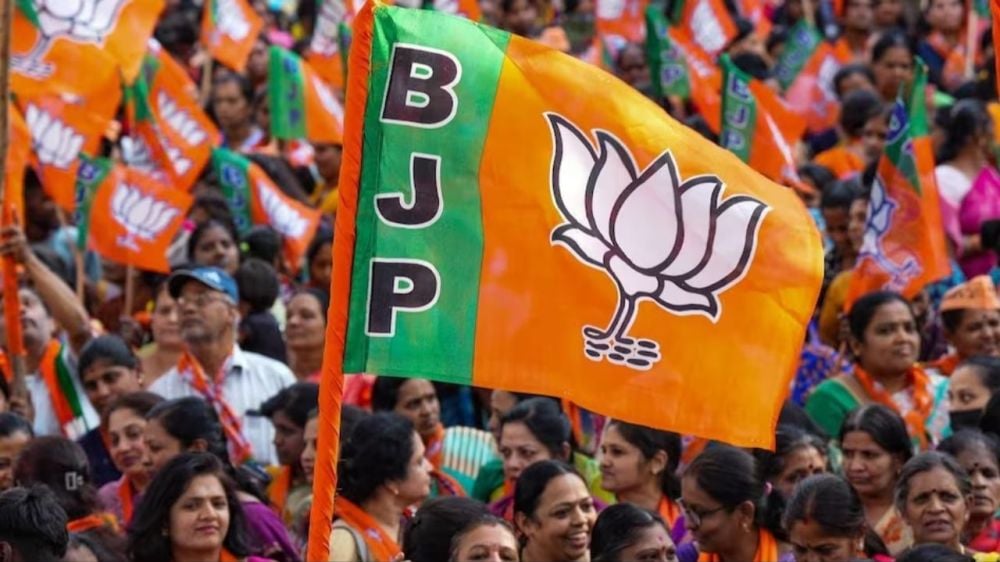
BJP has announced the names of candidates for 16 out of 24 seats in the first phase of Jammu and Kashmir assembly elections, out of which Muslims have been given tickets on 8 seats in the first list. In this way, more than 50 percent trust has been expressed among Muslims. However, tickets have not been announced for 8 seats yet.
BJP is making every possible effort to form the government in Jammu and Kashmir. BJP, which did not field any candidate on any seat in Kashmir region in the 2024 Lok Sabha elections, has played a big political gamble in the assembly elections. BJP has announced two lists of candidates for the Jammu and Kashmir assembly elections. The party had announced the names of candidates for 16 seats in the first phase, in which more than half of the seats have been given tickets to the Muslim community. BJP has planned to make lotus bloom in the 'valley' by trusting Muslims. It remains to be seen how effective BJP's strategy will be in the elections.
BJP announced the list of 44 candidates for Jammu and Kashmir elections at 10 am on Monday, but later withdrew the list. After this, the party has announced the names of the candidates again. BJP has announced the names of candidates for 16 out of the total 24 assembly seats in the first phase and tickets are yet to be announced for 8 seats. BJP has placed its bet on the candidates keeping in mind the political equation of the seat. This is the reason why more candidates from the Muslim community have been given tickets than Hindus in the first list.
BJP gave tickets to 8 Muslims
BJP has given tickets to Muslims on 8 out of 15 seats in the first phase. In this way, more than 50 percent trust has been expressed in Muslims. Engineer Syed Shaukat Gayur from Pampore, Arshid Bhatt from Rajpora, Javed Ahmed Qadri from Shopian, Mohan from Anantnag West, Rafiq Wani, Advocate Syed Wajahat from Anantnag, Sofi Yusuf from Srigufwara Bijbehara, Tariq Keen from Inderwal and Salim Bhatt from Banihal have been made candidates.
At the same time, BJP has fielded seven candidates from the Hindu community including a Kashmiri Pandit. Shagun Parihar from Kishtwar, Gajay Singh Rana from Doda, Veer Saraf from Shangas Anantnag, Sunil Sharma from Pader Nagse seat, Dilip Singh Parihar from Bhaderwah, Rakesh Thakur from Ramban and Shakti Raj Parihar from Doda West have been made candidates. BJP has given ticket to Veer Saraf from Shangas Anantnag, who is a Kashmiri Pandit. They have also expressed confidence in Sunil Sharma among Kashmiri Pandits. Apart from this, leaders of Thakur community have been given tickets on five seats, out of which three are Parihars.
The equation of betting on Muslims
In Jammu and Kashmir, BJP has not made any such bet on Muslim candidates, but has fielded them as part of a well thought out strategy. BJP's political base is in Jammu region. That is why the party fielded its candidates on both the seats of Jammu region in the Lok Sabha elections. Considering the political influence of Muslim votes in Kashmir region, BJP has fielded Muslim candidates. In Kashmir Panchayat elections also, BJP made a bet on Muslims in Muslim dominated areas, in which it was successful to some extent. That is why trust has been expressed on Muslims in the assembly elections as well.
Will BJP's lotus bloom in the valley?
Traditionally, the BJP has not received much support in the Kashmir region compared to the Jammu region, but political experts say that the BJP cadre has increased here in recent years. The BJP had its best performance in the 2014 assembly elections in Jammu and Kashmir. Then it emerged as the second largest party. At that time, the BJP had formed the government in alliance with the PDP. Out of the total 87 seats in Jammu, the BJP won 25 seats.
BJP's political base in the state is only in the Jammu region, but the influence of Hindu votes is not much in the Kashmir region. Muslim voters play an important role here. In the delimitation after the removal of Article 370, Jammu got six additional seats, while Kashmir gained only one seat. Thus, the seats in the Jammu region have now increased from 37 to 43, while the seats in the Kashmir region have increased from 46 to 47. In this way, it does not make much difference now.
BJP is basing this on the change in the environment in Jammu and Kashmir after the abrogation of Article 370, the story of development and the end of the politics of dynasty. BJP is presenting the picture of the changes that have taken place in the last five years and asking the public to choose the option of development or destruction. Apart from this, the way Muslim candidates have been fielded on the seats of Kashmir region is being considered as the key to BJP's return to power.