North India Statesman
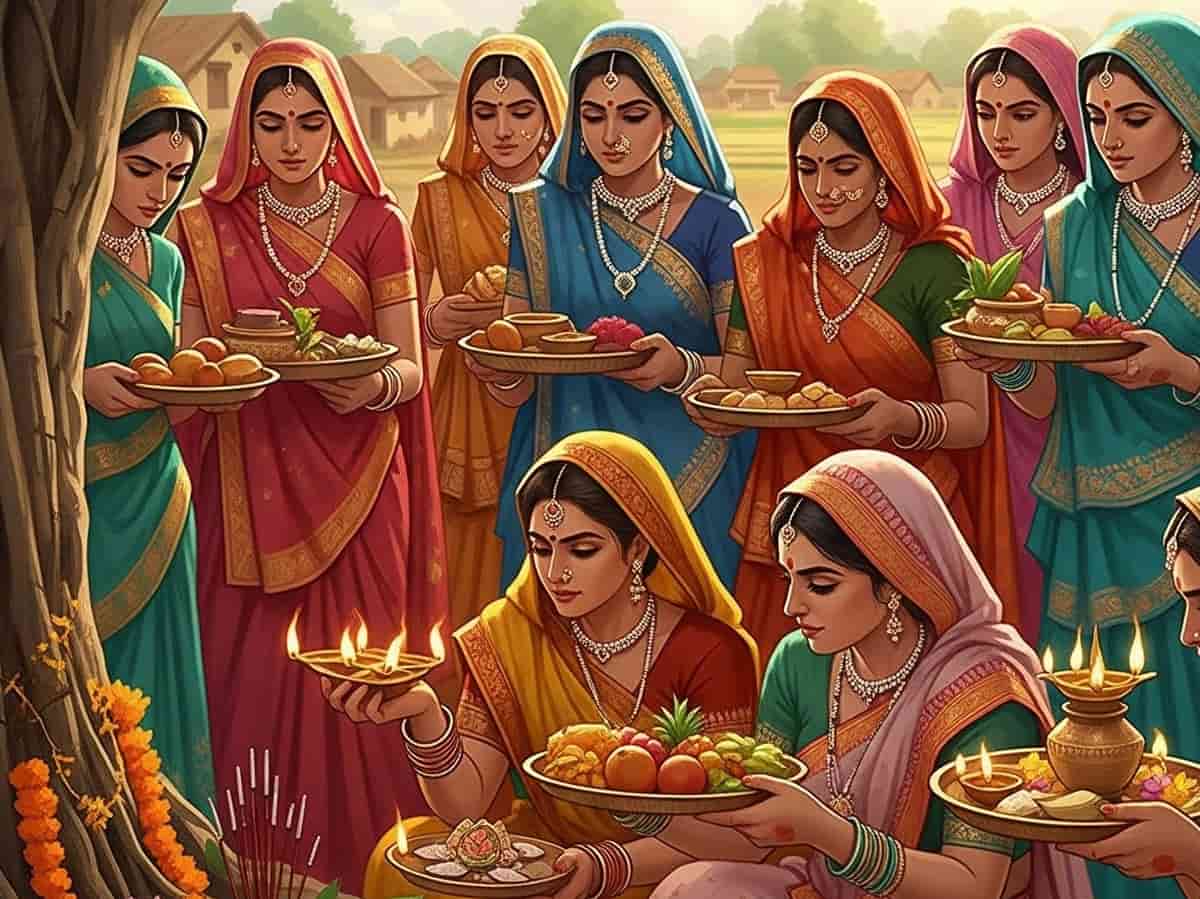
Jitiya Vrat (Jivitputrika Vrat) stands as one of the most demanding, spiritually profound observances in Sanatan tradition, celebrated predominantly across Bihar, Jharkhand, Eastern Uttar Pradesh, and parts of Nepal. Observed during the Krishna Paksha of the Ashwin month by mothers for the health, long life, and prosperity of their children, the fast is known for its intense austerities. Within this three-day festival, the core day of strict fasting is reverently known as Khar Jitiya (or Khad Jitiya).
What Exactly Is Khar Jitiya?
The prefix Khar (or Khad) in regional dialects denotes “uncompromising, unyielding, and strict.” In the context of Jivitputrika Vrat:
-
Strict Nirjala Discipline: Khar Jitiya is the main day of the vrata (Asthami tithi), during which women observe an unbroken 24-hour waterless (nirjala) fast. Devotees refrain from drinking a single drop of water, consuming any morsel of food, or even swallowing saliva intentionally.
-
Tough Spiritual Endurance: Unlike other festivals where fruits or water are permissible, Khar Jitiya requires absolute physical and sensory restraint, testing the mother’s resolve and devotion for the protection of her lineage.
The Dawn Ritual of Othghan (Nahay-Khay to Saptami Night)
The journey into Khar Jitiya begins with the pre-dawn ritual known as Othghan (or Oothan / Dathwan), observed in the early morning hours before sunrise at the end of Saptami:
-
Sargahi-Style Pre-Dawn Meal: Before the crimson rays of sunrise break the horizon on Ashtami, fasting mothers wake up during Brahma Muhurta, cleanse themselves, and consume wholesome traditional items such as soaked black gram (chana), satputiya (ridge gourd vegetable), curd, and flattened rice (chura).
-
Sealing the Lips (Oth-Bandhan): The term Othghan originates from the act of cleansing the lips and teeth after this early morning intake. Once rinsed, the fast formally commences. From that exact minute onward, no edible item or fluid may pass the lips until the final Parana on Navami tithi.
The Courtyard Pond Ritual: Worshipping King Jimutvahana
The centerpiece of the evening worship on Khar Jitiya is the creation of a symbolic sacred pond (talab) directly in the household courtyard or an open clean space:
-
Constructing the Clay Pond: Women dig a small, shallow ditch or construct an elevated square miniature pond using pure clay and cow dung in the center of the courtyard. The miniature pond is filled with clean water, bordered with fresh bamboo leaves, and adorned with vibrant seasonal flowers, vermilion (sindoor), and unbroken rice grains (akshat).
-
The Mud Statues of the Eagle (Cheel) and Fox (Siyar): On the bank of this symbolic pond, women fashion mud figures of a female eagle (Chhilo) and a female jackal/fox (Shiyaro). These figures honor the traditional folk legend of the two companions who observed the fast together, symbolizing that devotion must be pure and free from hidden temptation.
-
Invoking King Jimutvahana: In the center of the pond, an effigy or branch representing King Jimutvahana—the merciful Gandharva prince who sacrificed his own body to the divine bird Garuda to save the serpent Shankhachuda—is installed.
-
The Offerings: Fasting mothers offer a special red-and-yellow sanctified sacred thread (known as the Jitiya thread), along with cucumber, green corn cobs, dry coconut, bamboo shoots, sweets, and germinated black grams.
Listening to the Jitiya Vrat Katha
Gathered in a circle around the earthen pond, women take Kusha grass and mustard oil drops in their palms while an elderly family member or priest recites the sacred narrative of King Jimutvahana, alongside the contrasting tales of the pious eagle and the impatient fox. The narration reinforces the virtue of unshakeable willpower and selfless maternal sacrifice. After the katha, drops of sanctified mustard oil and soaked grams are preserved to apply to the children’s heads and chests the next day for vitality and long life.
Breaking the Fast: The Parana on Navami
The fast culminates on the third day (Navami tithi) after performing Surya Arghya and feeding the poor or stray animals. The traditional breakfast for Parana features Noni ka Saag (purslane greens), Marua ki Roti (finger millet flatbread), and Satputiya ki Sabzi. With the conclusion of Parana, the grueling fast of Khar Jitiya concludes, bestowing protective divine blessings upon the children.