North India Statesman
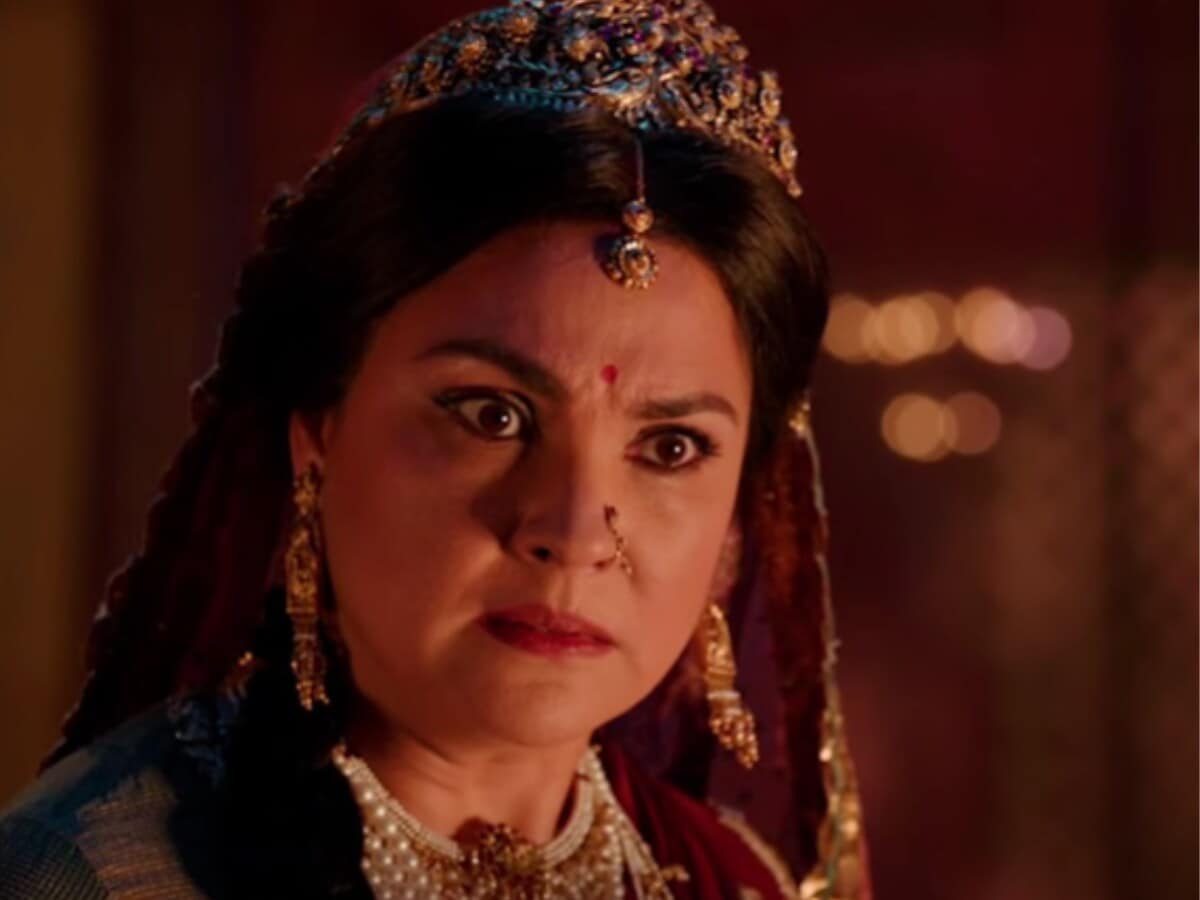
Bollywood actor Lara Dutta has finally broken her silence over the intense social media scrutiny surrounding her appearance as Queen Kaikeyi in director Nitesh Tiwari’s mythological spectacle Ramayana: Part 1. Speaking in an exclusive interaction on Thursday, November 12, 2026—a week after the film arrived in theatres across Mumbai, New Delhi, Bengaluru, and Ayodhya—the former Miss Universe expressed clear frustration over sections of the internet fixating on minor wardrobe details rather than engaging with the scale of the storytelling. When her first look from the film’s trailer was unveiled earlier this year, a vocal segment of online commentators questioned the period authenticity of her attire, comparing her styling to characters from contemporary Hindi television dramas. Responding directly to those remarks for the first time, Dutta stated firmly that the creative team had deliberate reasons behind every fabric and silhouette chosen for the screen, adding that it is disheartening when audiences pick out flaws in such tiny things on a project mounted at this magnitude. Her candid response has reignited conversation across Indian entertainment circles about how modern cinema balances scriptural imagination, visual world-building, and audience expectations.
Inside the Kop Bhawan Costume Debate and Social Media Comparisons
The controversy surrounding Lara Dutta’s look dates back to the promotional rollout of Ramayana: Part 1, particularly the glimpses set inside Ayodhya’s Kop Bhawan—the chamber of wrath where Queen Kaikeyi demands that King Dasharatha exile Lord Ram for fourteen years and crown her son Bharata as heir. In those sequences, Dutta appears in a deep maroon saree paired with a green blouse and open, flowing hair. Shortly after the visuals surfaced online, Reddit threads and posts on X were flooded with critiques claiming the draped saree and tailored blouse looked overly modern for the Treta Yuga, with several users likening the aesthetic to daily soap operas. While moviegoers praising the theatrical release over the past week have largely applauded Dutta’s dramatic restraint and emotional command opposite veteran actor Arun Govil’s Dasharatha, the lingering chatter around her wardrobe prompted the actor to set the record straight. She emphasized that healthy discussion around art is always welcome, yet reducing months of painstaking visual research to surface-level nitpicking misses the emotional core of the narrative.
Lara Dutta Reveals Her Early Costume Discussion with Director Nitesh Tiwari
To illustrate how thoughtfully the makers approached character design, Lara Dutta shared behind-the-scenes details from her very first creative meeting with director Nitesh Tiwari. As an actor deeply invested in historical and cultural context, Dutta recalled asking Tiwari whether Kaikeyi—who hailed from the distant kingdom of Kekaya rather than Kosala—should wear noticeably different jewellery and bring her own traditional streedhan compared to Queen Kaushalya and Queen Sumitra. According to Dutta, Tiwari explained that diving into hyper-granular regional variations within a single royal household would open a Pandora’s box of endless academic arguments, where different historians and commentators would inevitably contest every ornament. Instead, the director and producer Namit Malhotra established a cohesive visual grammar designed to clearly differentiate the three major realms depicted in the epic: Mithila, Ayodhya, and Lanka. By maintaining a unified royal aesthetic within Ayodhya while distinguishing it sharply from the earthy simplicity of Mithila and the opulent architecture of Lanka, the filmmakers ensured immediate visual clarity for global as well as domestic audiences.
What Costume Designers Rimple and Harpreet Narula Said About Kaikeyi’s Attire
Dutta’s defence aligns closely with explanations previously offered by the film’s acclaimed costume designers, Rimple and Harpreet Narula, who crafted the wardrobes for the principal cast. Addressing the online debate ahead of the film’s Diwali release, the designer duo noted that every garment was dyed using natural and vegetable pigments and conceptualized through specific colour symbolism rather than literal archaeological replication. In Kaikeyi’s Kop Bhawan ensemble, the green blouse was chosen to evoke her grounding as a protective mother tied to the earth, while the deep maroon drape mirrored the inner conflict, wounded pride, and political ambition driving her fateful decision. Alongside Rimple and Harpreet Narula, specialists including Ajay Kumar, Sania Sardharia, and Sagar Shridhar worked across distinct character tracks—from Ranbir Kapoor’s Lord Ram and Ravi Dubey’s Lakshman to Yash’s Ravana and Sai Pallavi’s Sita—to build a timeless visual language rooted in Indian textile traditions.
Why Lara Dutta Urges Audiences to Look at the Bigger Cinematic Picture
Reflecting on her overall journey with Ramayana: Part 1, Lara Dutta stressed that stepping into a project of this scale requires complete trust in the director’s overarching vision. Despite having been physically present on the sets during filming, she admitted that watching the finished feature—complete with a monumental musical score by A.R. Rahman and Hans Zimmer and intricate visual effects crafted by DNEG—left her genuinely stunned by what the team had achieved. In an era when big-budget Indian epics frequently face simultaneous scrutiny from both traditionalists and social media critics, Dutta maintained that cinema thrives when storytellers are allowed to interpret timeless emotions without being bogged down by minor visual quibbles. With Ramayana: Part 1 continuing its strong theatrical run nationwide and Ramayana: Part 2 already slated for a future Diwali release, Dutta’s forthright remarks underscore the conviction of a cast determined to stand firmly behind their craft.