North India Statesman
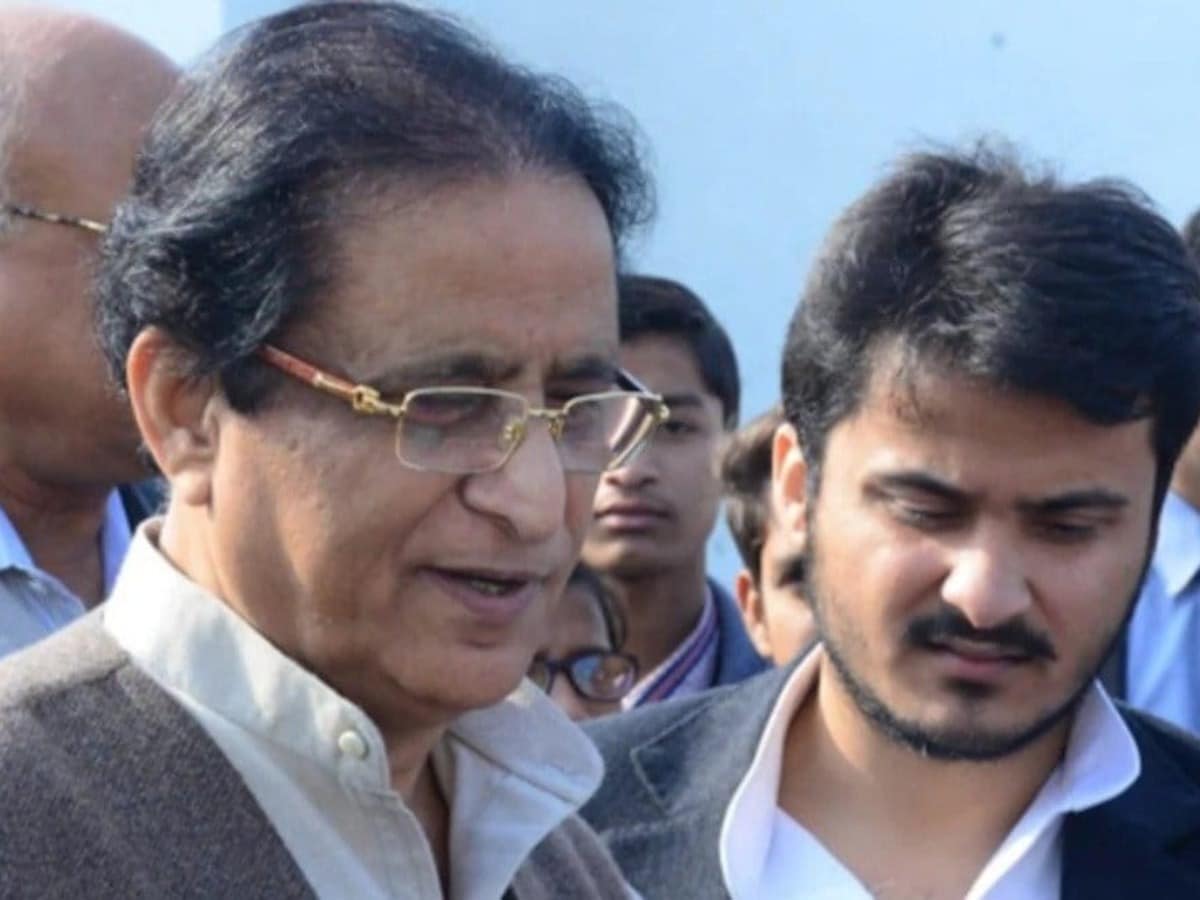
In a significant judicial development for Uttar Pradesh politics, the Allahabad High Court on Thursday granted major relief to senior Samajwadi Party (SP) stalwart and former cabinet minister Mohammad Azam Khan alongside his son, former Suar MLA Abdullah Azam Khan. Presiding over the matter, a single-judge bench of Justice Samit Gopal suspended the prison sentences awarded to both father and son by the subordinate Rampur court and granted them bail during the pendency of their criminal revision petitions. The decision comes as a breather for the veteran politician’s family following months of intense legal battles across multiple district and appellate forums in Rampur, Lucknow, and Prayagraj. However, the High Court clarified that while the execution of their sentence stands suspended, their plea seeking a stay on the conviction itself has been rejected, ensuring that the legal conviction remains formally on record until the revisions are finally disposed of.
Genesis of the Controversy: Dual Identity Documents and Election Disqualification
The criminal proceedings trace back to an FIR registered in 2019 at the Ganj Police Station in Rampur by local BJP leader Akash Saxena, who is now the sitting MLA from the Rampur city constituency. The prosecution alleged that Abdullah Azam Khan fraudulently procured and maintained two separate Permanent Account Number (PAN) cards bearing contradictory dates of birth. According to the investigation chargesheet, one PAN card recorded his birth date as January 1, 1993, while another official PAN card reflected September 30, 1990. The prosecution argued that these conflicting dates of birth were deliberately utilized to validate documents during Abdullah Azam’s nomination filings for the 2017 Uttar Pradesh Assembly elections from the Suar seat, enabling him to meet the minimum constitutional age requirement of 25 years. The trial court held both Abdullah Azam and his father Azam Khan guilty of criminal conspiracy, document forgery, and using forged instruments as genuine under relevant provisions of the Indian Penal Code (IPC), sentencing them to prison terms that triggered their continued incarceration.
Key Highlights of the Allahabad High Court Order
Challenging the judgment of the Rampur trial court and the subsequent dismissal of their appeals by the local sessions court, the defense team moved the Allahabad High Court through criminal revision petitions. Senior defense advocates argued that the accused had already undergone considerable custody, that the revisions raised substantial legal questions regarding the interpretation of statutory documents, and that hearing the revisions to their final conclusion would take considerable judicial time. The bench of Justice Samit Gopal, which had reserved its verdict on October 15 after extensive arguments from both sides, pronounced the ruling on October 29. The High Court accepted the defense’s prayer for suspension of sentence under Section 389(1) of the CrPC and granted bail upon furnishing appropriate local surety bonds. Crucially, the bench declined to stay their conviction, which leaves the legal disqualifications associated with their convictions unchanged for the time being.
Jail Release Equation: Why Azam Khan and Abdullah Remain Behind Bars for Now
While the suspension of sentence marks an undeniable moral and legal win for the Samajwadi Party cadre across Western Uttar Pradesh, it does not guarantee immediate physical release from prison for either Azam Khan or his son. Both leaders remain embroiled in a complex web of legal proceedings arising from dozens of FIRs filed over the past several years, spanning allegations of land grabbing for the Mohammad Ali Jauhar University, municipal embezzlement, fake birth certificates, and public property disputes. Azam Khan is currently lodged at Sitapur District Jail, while Abdullah Azam is serving detention in Hardoi Jail. Their eventual walk to freedom hinges entirely upon securing concurrent bail and suspension orders in all other active warrants and conviction appeals where detention orders currently remain in force. Nonetheless, securing bail in one of their primary cornerstone cases provides substantial legal momentum as their legal team prepares to pursue pending petitions in higher judicial forums.