North India Statesman
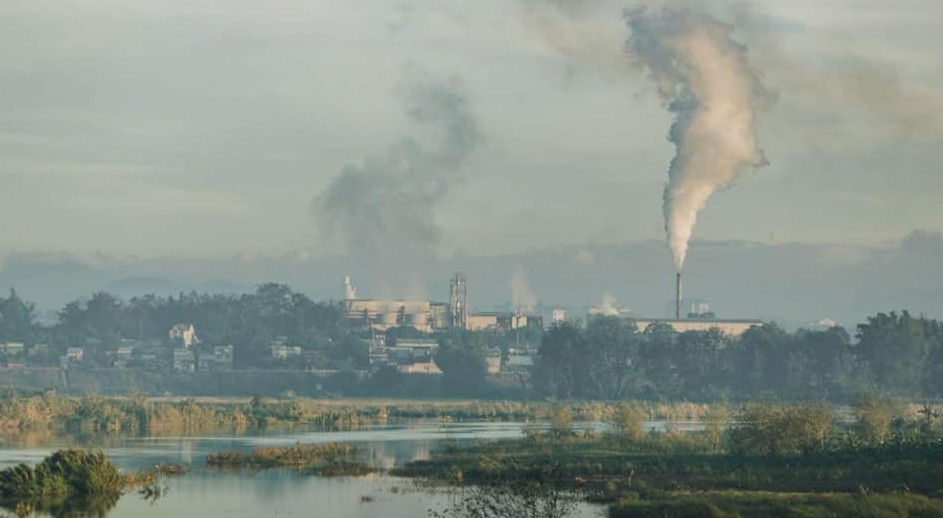
Most people treat severe smog or poor air quality as an immediate, temporary nuisance, associating high pollution episodes primarily with stinging eyes, throat irritation, dry coughs, and transient wheezing. However, an expansive international investigation published by leading environmental health researchers confirms that the biological damage inflicted by toxic ambient air extends significantly deeper and lasts far longer than previously understood. By tracking real-world admissions data, scientists discovered that brief exposures to fine particulate matter continue to precipitate acute health crises and emergency hospitalizations for up to three weeks after the initial pollution spike occurs. This definitive evidence dismantles the widespread assumption that health vulnerabilities dissipate the moment visible outdoor haze clears, establishing fine particulate pollution as an enduring driver of multi-system clinical decompensation.
Massive Scale: How Researchers Evaluated 346.5 Million Hospital Admissions Across Six Global Regions
To understand the precise timeline and systemic scope of particulate pollution on human populations, researchers analyzed nearly 346.5 million hospital admission records spanning two decades, from 2000 to 2019. The exhaustive dataset synthesized patient data from six distinct countries and territories: Australia, Brazil, Canada, Chile, New Zealand, and Taiwan. By cross-referencing daily ambient air monitoring metrics with inpatient admissions over time, the investigative team measured delayed health effects across extended multi-week observational windows. The statistical analysis revealed a striking and consistent correlation: for every incremental increase of 10 micrograms per cubic meter in ambient PM2.5 concentration, the overall risk of hospitalization for any medical reason surged by an average of 8 percent across the subsequent 21 days.
Multi-System Vulnerabilities: Cancer, Mental Health, And Neurological Admissions Outpace Respiratory Flares
While public health discourse predominantly associates particulate pollution with acute asthma flare-ups and chronic obstructive pulmonary disease exacerbations, the findings revealed surprisingly severe impacts across other organ systems. Cancer-related hospitalizations exhibited the sharpest surge, recording a 10.8 percent heightened risk of emergency admission following particulate spikes. Inpatient admissions for mental and behavioral health conditions followed closely behind with a 10.0 percent elevation, while neurological disorders demonstrated an 8.5 percent rise. Hospital admissions specifically tied to respiratory conditions increased by 6.7 percent. These findings highlight that circulating microparticles trigger wide-ranging physiological destabilization, disrupting neurological regulation, compounding cellular stress in oncological patients, and worsening pre-existing neuropsychiatric vulnerabilities alongside standard pulmonary irritation.
The Biological Threat: Why Microscopic PM2.5 Particles Compromise Vital Internal Organs
Particulate matter measuring 2.5 micrometers or smaller presents a profound biological hazard because of its minuscule dimensions, which measure roughly one-thirtieth the width of a human hair. Unlike larger airborne dust particles that become trapped by upper airway mucous membranes and nasal cilia, PM2.5 penetrates past the bronchial tree and settles directly into the alveoli. From the deep alveolar air sacs, these tiny particles cross the blood-air barrier, entering systemic circulation. Once circulating through the vascular bed, they incite widespread systemic inflammation, oxidative stress, endothelial dysfunction, and platelet aggregation. Because inflammatory cascades and tissue recovery require extensive biological downtime, the elevated vulnerability to systemic collapse, acute organ decompensation, and vascular stress remains active for weeks.
Practical Protection And Clinical Protocols During High Air Quality Index Episodes
Safeguarding individual health during elevated pollution days demands a proactive, layered defense, particularly for vulnerable demographics including older adults, young children, and individuals diagnosed with chronic heart, lung, renal, or oncological disorders. Healthcare professionals advise monitoring local Air Quality Index readings daily and rescheduling strenuous outdoor physical exertion during peak contamination hours. When outdoor travel is unavoidable, properly fitted N95 or equivalent respirators should be worn, as standard cloth and surgical masks fail to filter microscopic PM2.5 particles. Patients with chronic conditions must strictly adhere to maintenance medications and action plans, keeping rescue inhalers readily available. Emergency medical care should be sought immediately if an individual experiences acute chest pain, sudden breathlessness, severe dizziness, or blue-tinged lips.
Understanding Regional Scope: Interpreting International Data In Domestic Settings
While this comprehensive twenty-year study provides robust, large-scale statistical validation of the biological hazards tied to ambient particulate spikes, clinical epidemiologists emphasize that its data originates from six specific international territories—Australia, Brazil, Canada, Chile, New Zealand, and Taiwan. Consequently, direct extrapolation to the Indian population requires careful context. India’s baseline ambient PM2.5 concentrations, demographic age profiles, socioeconomic healthcare access variables, and ambient particulate chemical compositions differ substantially from the regions evaluated. Nonetheless, the core biological mechanism uncovered—that fine particulate matter triggers prolonged systemic inflammation and hospital risks lasting up to three weeks—serves as an indispensable global warning for vulnerable patients and healthcare infrastructures worldwide.