North India Statesman
Ahead of the crucial second One-Day International between New Zealand and India at Sky Stadium in Wellington, the hosts have received a major boost with premier fast bowler Matt Henry receiving full medical clearance to return to the playing XI. Henry had sat out the series opener in Auckland following an accidental head collision with teammate Devon Conway during a pre-match practice session. While Conway was subsequently ruled out of the ODI series due to a diagnosed concussion, Henry successfully passed all mandatory concussion protocols, making him available to spearhead the BlackCaps’ new-ball attack on Saturday.
Why Matt Henry Poses a Major Threat to Rohit Sharma and Virat Kohli
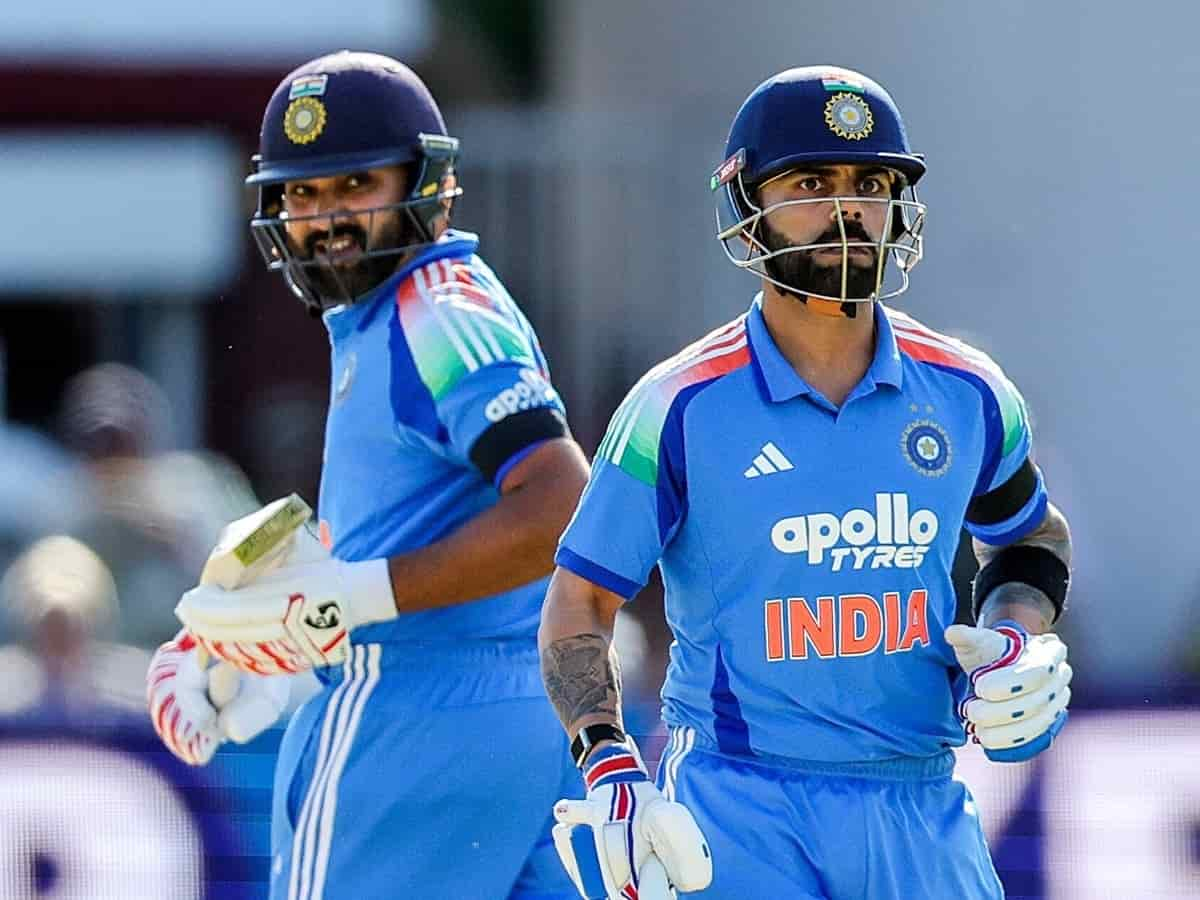
Henry’s immediate return poses a stiff tactical challenge to India’s top order, particularly the veteran duo of Rohit Sharma and Virat Kohli.
Historically, Henry has been one of India’s most lethal adversaries in white-ball cricket. Armed with an upright seam, a sharp natural nip-backer into right-handers, and the ability to extract steep, steepling bounce from a good length, Henry famously derailed India’s top order in the 2019 World Cup semi-final, removing both Rohit and Dinesh Karthik in a destructive opening spell.
With Rohit falling for a six-ball duck in the Auckland series opener against Kyle Jamieson’s extra bounce and angle, facing Henry’s nagging corridor-of-uncertainty line under heavy cloud cover will test his early footwork.
While Kohli produced a fluent 74 off 51 balls in the first match, his historical dismissal patterns against express seamers moving the ball away on fifth-stump channels make Henry’s back-of-a-length deliveries outside off-stump a key battleground early in the innings.
Sky Stadium, Wellington: Comprehensive Pitch and Weather Report
The surface at Sky Stadium (formerly Westpac Stadium) in Wellington is renowned for offering a fair contest between bat and ball, with early conditions strongly tilting in favor of seam bowlers:
-
Initial Seam and Bounce: True to traditional New Zealand conditions, the pitch carries a fresh grass covering that offers lateral seam movement and lively carry through to the wicketkeeper during the first 10 to 12 overs.
-
Weather and Wind Dynamics: Early November in Wellington typically brings overcast conditions and notorious gusty coastal breezes blowing through the open stadium bowl. These swirling crosswinds give swing bowlers additional aerial drift, magnifying the challenge for opening batters facing the new Kookaburra ball.
-
Batting Evolution: Once batters weather the initial seam movement and adjust to the bounce, the track eases significantly. Batters who play straight and let the ball come on to the bat can capitalise on the true bounce, with first-innings totals around 280 to 300 considered par.
-
Toss Factor: Given the overcast skies and moisture in the air, the captain winning the toss is widely expected to bowl first to unleash fast bowlers on a fresh track and mitigate any potential Duckworth-Lewis-Stern (DLS) rain calculations later in the afternoon.