North India Statesman
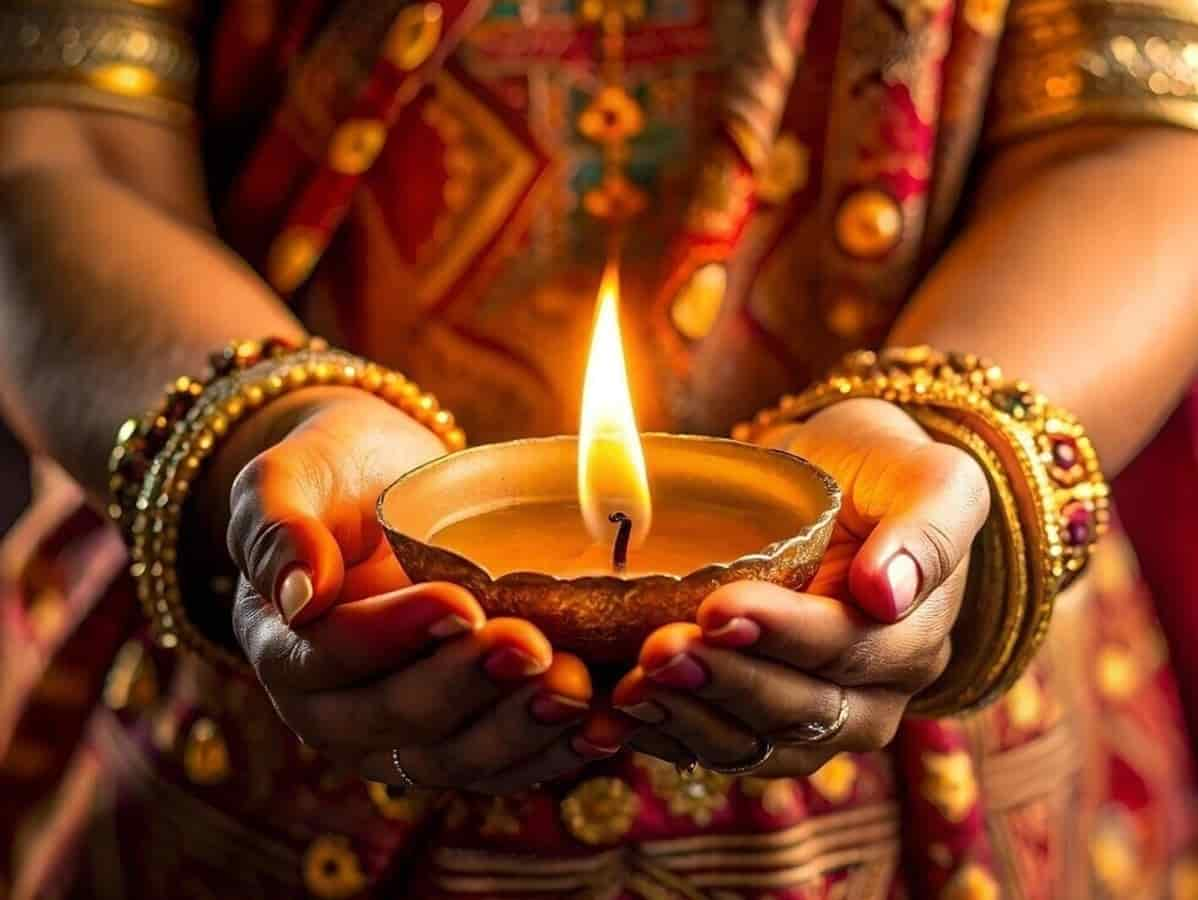
Across millions of households from Varanasi’s illuminated ghats to bustling residential towers in Mumbai and Delhi, Dhanteras—formally known as Dhanatrayodashi—marks the auspicious beginning of the five-day Diwali festival. Falling on the thirteenth lunar day (Trayodashi) of the Krishna Paksha in the sacred Hindu month of Kartik, the day is steeped in the ancient belief that any righteous investment, spiritual prayer, or act of charity undertaken on this tithi multiplies thirteen times over. Yet, contrary to popular perception that Dhanteras is merely an occasion to purchase gold jewelry or stainless-steel kitchenware, classical Vedic tradition prescribes a deeply calculated triad of worship. On this singular night, devotees do not pray solely for liquid cash; they invoke Goddess Lakshmi for spiritual and material fortune, Lord Kuber for the safe preservation of wealth, Lord Dhanvantari for physical vitality, and Lord Yamraj for immunity against untimely death. Together, these four divine energies form a complete cosmic shield: granting prosperity, ensuring the wisdom to maintain it, and bestowing the long life needed to enjoy it.
Goddess Lakshmi: Invoking the Mother of Cosmic Abundance
The primary spiritual anchor of Dhanteras is Goddess Mahalakshmi, the embodiment of auspiciousness, grace, and sustained prosperity. Scriptural narratives recorded in the Vishnu Purana describe how Goddess Lakshmi manifested from the churning of the celestial milky ocean (Samudra Manthan) on this exact tithi, seated upon an immaculate pink lotus and bearing blessings of boundless fortune for the cosmos. However, Vedic masters stress that Lakshmi never resides in environments characterized by stagnancy, discord, or physical disorder. Worshipping Goddess Lakshmi on Dhanteras begins with cleansing the home of broken objects, stagnant clutter, and negative thoughts, transforming the household into a welcoming sanctuary. When Lakshmi enters a home during the auspicious Pradosh Kaal, she brings not merely momentary paper wealth, but the enduring blessings of Ashta Lakshmi—encompassing peace, courage, nourishment, and ethical abundance that flourishes across generations.
Lord Kuber: The Cosmic Treasurer Who Preserves and Multiplies Riches
While Goddess Lakshmi creates and generates the cosmic energy of wealth, Lord Kuber is designated by Lord Shiva as the supreme custodian and treasurer of the celestial vaults (Dhanadhyaksha). In practical finance, earning income is meaningless if expenses, unforeseen emergencies, or bad debts drain liquid reserves; true financial security lies in wealth retention and compound growth. This is precisely why Vedic liturgy mandates invoking Lord Kuber alongside Goddess Lakshmi on Dhanteras. Positioned symbolically in the North—the cardinal direction ruled by Kuber and the planet Mercury (Budh)—prayers to Lord Kuber are believed to seal financial leaks, eliminate chronic debts, and guide household heads toward wise, disciplined investments. Offering whole coriander seeds, white sweets, and yellow cowries to Kuber’s idol or sacred yantra during the evening puja acts as a timeless ritual to safeguard family reserves throughout the coming fiscal cycle.
Lord Dhanvantari: Why Physical Health Is the Foundation of Real Wealth
The name “Dhanteras” does not derive exclusively from Dhan (currency); it pays equal homage to Lord Dhanvantari, the primordial physician of the devas and an incarnation of Lord Vishnu. According to the Bhagavata Purana, Dhanvantari emerged from the cosmic ocean on Kartik Trayodashi holding a golden urn (Amrit Kalash) brimming with the divine nectar of immortality, alongside texts outlining the foundational principles of Ayurveda. Ancient Indian wisdom has long established that Arogya (flawless health) is the supreme prerequisite for enjoying any material luxury. A sick individual surrounded by millions in gold cannot experience happiness. Therefore, Dhanvantari Jayanti is celebrated alongside Dhanteras by offering brass utensils filled with pure water or whole grains, burning natural medicinal herbs like guggulu and camphor to sanitize the atmosphere, and praying for strong immunity, mental vitality, and freedom from chronic disease for every family member.
Yam Deepdaan: Why the God of Death Is Revered with a Four-Wick Lamp
The most spiritually profound and non-negotiable ritual of Dhanteras night is Yam Deepdaan—a solemn rite that catches many uninitiated observers by surprise. On an evening celebrating light and wealth, families pay deliberate homage to Lord Yamraj, the cosmic arbiter of justice and the Lord of Death. The practice is rooted in the legendary tale of King Hima’s sixteen-year-old son, who was prophesied to die of a venomous snakebite on the fourth night of his marriage. His quick-thinking bride piled all the palace gold, silver ornaments, and brass lamps at the bedchamber threshold and kept the room brilliantly illuminated while chanting hymns. When Yamraj arrived in the guise of a serpent, the blinding radiance of the lamps and metallic reflections dazzled his eyes, preventing him from striking; as dawn arrived, the prince’s fatal astrological window expired. To recreate this protective barrier, families fill a large, four-faced earthen lamp (Choumukhi Diya) with raw mustard oil, insert four cotton wicks, and place it outside the southern entrance of the house facing south—the direction of Yamraj—praying the sacred verse: “Mrityuna Pashadandabhyam Kalena Shyamaya Saha, Trayodashyam Deepadanat Suryajah Preeyatam Mama”. Lighting this lamp is believed to dispel fears of sudden illness, ward off untimely death (Apamrityu), and ensure that family members live full, healthy lives.
Sacred Purchases: Brooms, Coriander Seeds, and Metals for 13-Fold Growth
The shopping traditions of Dhanteras carry deliberate symbolic and psychological meaning designed to invite positive vibrational changes into the household. Buying precious metals like gold and silver is favored because noble metals do not tarnish or oxidize, symbolizing immutable, permanent prosperity. Purchasing brass or copper utensils reflects respect for Lord Dhanvantari, as these metals have documented antimicrobial properties in Ayurvedic science. Equally critical is the humble broom (Jhadu). In Indian folklore, the broom is considered a physical manifestation of Goddess Lakshmi because it sweeps out dirt, poverty, and discord (Alakshmi) from living spaces; bringing home a new broom on Dhanteras is believed to clear the pathway for fresh fortune. Additionally, buying a handful of dry whole coriander seeds (Dhania) is a vital traditional practice. These seeds are placed before Goddess Lakshmi during the evening puja and later sown in garden soil or domestic flowerpots; the sprouting of healthy green shoots after Diwali is interpreted as a living omen of steady, flourishing family wealth.
Step-by-Step Evening Worship Protocol and Muhurat Guidelines
To ensure your Dhanteras prayers yield optimal spiritual and energetic benefits, Vedic astrologers recommend conducting the primary puja during the Pradosh Kaal—the tranquil seventy-two-minute window following sunset when fixed zodiac signs (Sthir Lagna, such as Taurus/Vrishabha) govern the heavens.
-
Purification and Altar Setup: Begin by thoroughly cleaning the north-eastern (Ishanya) corner of your prayer room. Lay down a fresh red or yellow silk cloth over a wooden platform (Chowki), and arrange idols or framed images of Goddess Lakshmi, Lord Ganesha, Lord Kuber, and Lord Dhanvantari.
-
The Sacred Offerings: Place a brass or silver vessel filled with water and mango leaves nearby. Offer unbroken rice grains (Akshat), fresh lotus flowers, fragrant marigold garlands, turmeric, and vermilion to the deities. Offer sweet preparations made of milk, condensed milk (kheer), or jaggery, alongside a bowl of soaked coriander seeds and batashas.
-
Mantra Recitation: Meditate quietly and chant the Kuber Mantra (“Om Hreem Shreem Kreem Shreem Kuberaya Namah”) and the Mahalakshmi Ashtakam to invoke financial stability and inner contentment.
-
Lighting the Lamps: Light thirteen small earthen diyas filled with pure cow ghee or sesame oil to place around the home’s perimeter, verandas, and water storage areas.
-
The Southern Farewell: Finally, take the four-faced Yam Diya, light it with mustard oil, and carry it carefully to the southernmost outer corner or doorway of your residence. Offer a pinch of black sesame seeds and water around it, face south, and pray for the health, protection, and long life of all household occupants before re-entering without looking back.