 North India Statesman
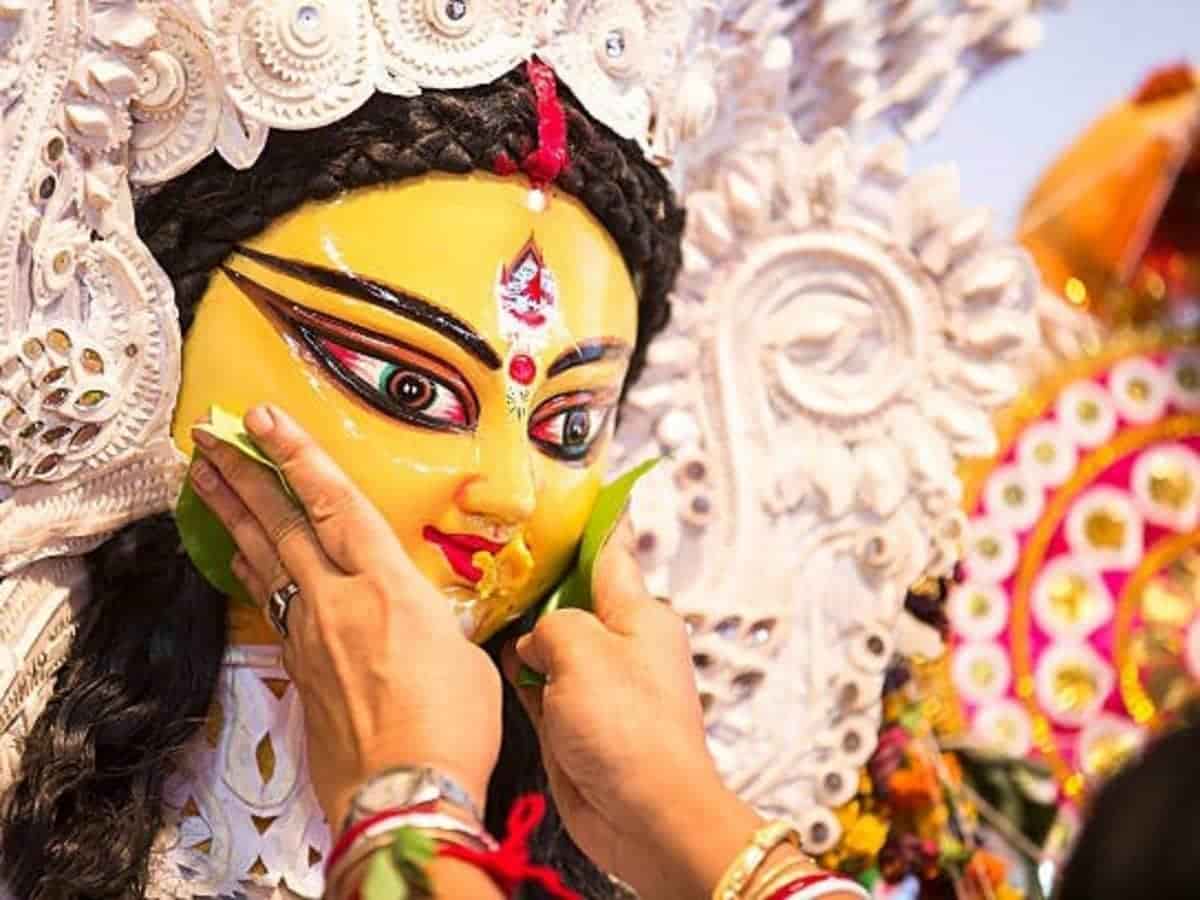
The sixth day of the sacred Navratri festival marks the invocation of Maa Katyayani, the radiant warrior incarnation of Goddess Durga. According to Vedic tradition, sage Katyayan performed rigorous penance to receive the Supreme Mother as his daughter, prompting Her fierce yet compassionate descent to vanquish the demon Mahishasura. Seated majestically upon a roaring lion, Maa Katyayani is depicted with four hands displaying the Abhaya and Varada mudras for protective benevolence, while holding a blooming lotus and a sharp, gleaming sword to destroy negative energies. Worshipping this sixth divine form is believed to balance Brihaspati (Jupiter) and Shukra (Venus) influences in the astrological chart, dispelling chronic obstacles in prospective marriages, healing relationship turmoil, and bestowing spiritual clarity alongside material prosperity.
Essential Tithi and Astronomical Elements of the Day
Understanding the foundational pillars of the Panchang ensures that ritual commitments align smoothly with planetary movements. The sacred sixth day corresponds with the Shashti Tithi of the Shukla Paksha, characterized by rising devotional energies across households and temples alike. In classical Vedic astrology, this tithi is ruled by Lord Kartikeya and energized by the fierce maternal protection of Maa Katyayani, making it uniquely suited for overcoming competition, chronic illness, and litigation hurdles. Devotees observe dawn snan (purification bath), light an unbroken akhand deepak, and offer fragrant yellow and red flowers alongside rich natural honey, the cherished sacred offering (bhog) of the Goddess. Aligning individual sankalpa with the exact celestial moments magnifies the spiritual efficacy of mantra chanting and havan rituals throughout the day.
Auspicious Puja Muhurats for Invoking Divine Blessings
Timing your prayers during elevated pranic windows invites harmony and removes friction from spiritual endeavors. The early morning Brahma Muhurat, falling roughly one hour and thirty-six minutes prior to sunrise, serves as the premier time for silent dhyana, japa, and lighting the morning lamp. For elaborate ritual offerings, the mid-day Abhijit Muhurat—a daily fifteen-part division of daytime free from major doshas—is regarded as universally auspicious for conducting shodashopachara puja, chanting the Durga Saptashati, and offering sweet honey bhog. Additionally, the twilight Amrit and Shubh Choghadiya periods during the morning hours and the evening Godhuli Muhurat at dusk provide powerful intervals for evening aarti, sound vibrations of temple bells, and community kirtan.
Inauspicious Timings to Avoid for New Beginnings and Rituals
Just as favorable periods amplify spiritual intention, Vedic wisdom strictly advises caution during volatile planetary windows. Foremost among these is Rahu Kaal, a ninety-minute phase ruled by the shadow node Rahu that occurs at a specific slot every day of the week. Initiating fresh financial ventures, finalizing contracts, conducting wedding-related talks, or beginning the primary sankalpa of havan during Rahu Kaal is strictly avoided in traditional practice, as these endeavors may face unexpected delays or confusion. Similarly, Yamaganda and Gulikai Kaal represent sensitive astral periods where important secular initiatives should be paused. Devotees are encouraged to utilize these phases solely for inner reflection or silent mantra recitation rather than starting brand-new domestic ceremonies.
Ritual Vidhi, Sacred Offerings, and Mantra Sadhana
Honoring Maa Katyayani requires focused devotion and simple, authentic elements aligned with Her fiery nature. After morning ablutions, devotees don clean garments—preferably in shades of bright yellow or rich orange—and sanctify the puja altar with holy water. Adorn the idol or picture of the Mother with fresh marigold or red hibiscus garlands, light pure cow ghee lamps, and present an offering of pure honey alongside seasonal fruits and sweets. Chanting Her root mantra, “Om Devi Katyayanyai Namah,” or reciting the powerful prayer “Chandrahasojjvalakara Shardulavaravahana, Katyayani Shubham Dadyad Devi Danavaghatini” 108 times using a rudraksha or lotus-seed rosary channels deep inner courage, clears lingering domestic negativity, and surrounds the household with an enduring shield of maternal grace.


