North India Statesman
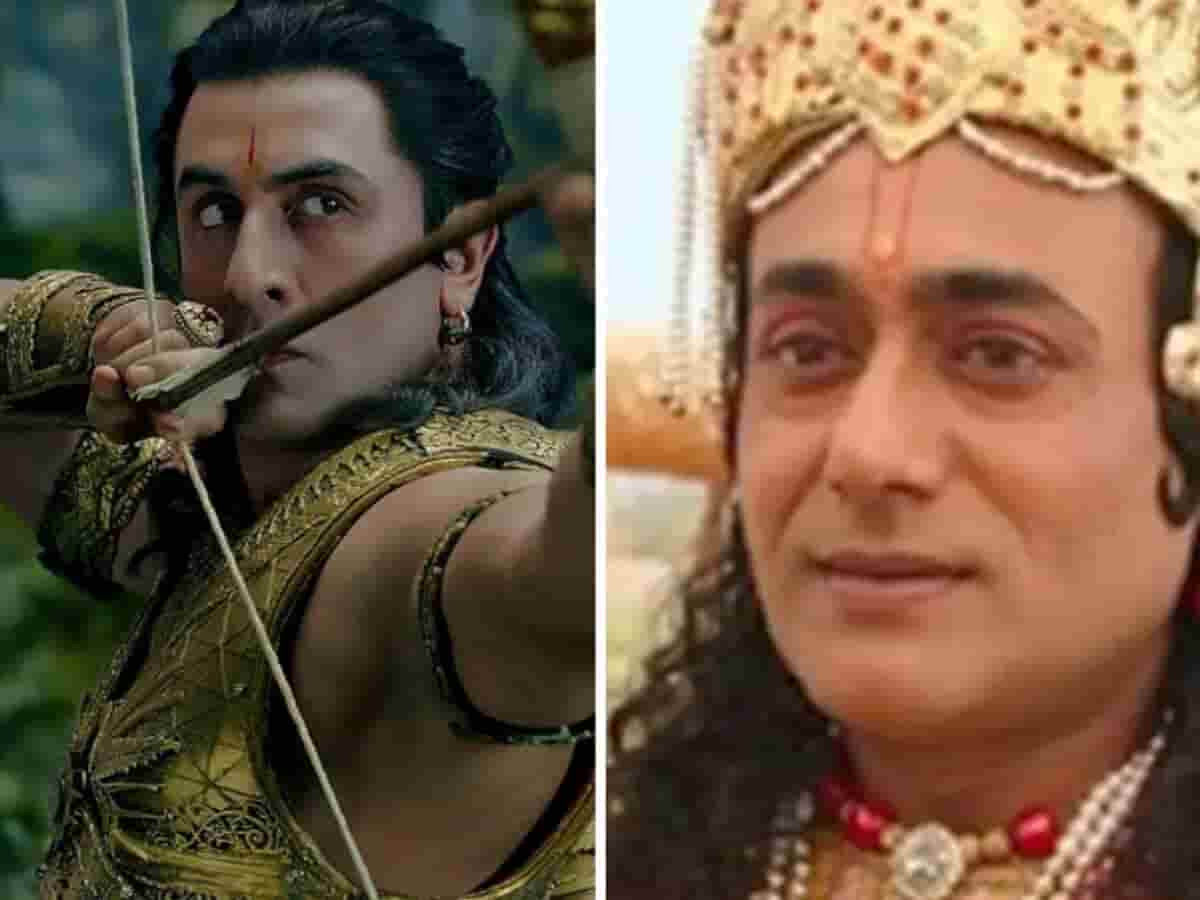
Veteran actor Nitish Bharadwaj, widely celebrated across India for his iconic portrayal of Lord Krishna in B.R. Chopra’s television epic Mahabharat, has launched a fresh critique against director Nitesh Tiwari and producer Namit Malhotra’s big-budget theatrical adaptation Ramayana: Part 1. In a detailed social media statement shared on Thursday, November 12, 2026—just days after retracting his initial praise for the film’s trailer—Bharadwaj labelled the Ranbir Kapoor, Sai Pallavi, and Yash starrer a “masala film” and warned young viewers against treating cinematic liberties and social media narratives as scriptural truth. Having himself portrayed Lord Vishnu and Lord Ram in B.R. Chopra’s Vishnu Puran and Ramayan, Bharadwaj argued that commercialising sacred epics at the expense of philosophical accuracy distorts India’s cultural heritage for a generation discovering these texts on the big screen. His remarks have ignited a wider debate across Mumbai, New Delhi, Varanasi, and Bengaluru over where filmmakers should draw the line between global box-office spectacle and traditional fidelity.
Why Nitish Bharadwaj Says the Film Misleads Young Audiences
Addressing younger moviegoers directly in his latest note, Bharadwaj expressed concern that high-budget visual storytelling carries an outsized influence on how youth perceive Indian civilisation. He stated bluntly that the adaptation misleads young audiences about Hindu Dharma, its heroes and antagonists, and Bharat’s heritage, urging students and youngsters to read well-researched books rather than relying solely on cinema or viral online clips for cultural education. This marks a sharp escalation from his November 10 post, in which he formally withdrew his pre-release prediction that Ramayana would win an Oscar for Best Foreign Film. While acknowledging the technical polish of the production, Bharadwaj maintained that elaborate visual effects and international musical collaborations cannot substitute for the moral clarity and spiritual essence at the heart of the epic.
Disputing the Film’s Claim on Ramayana’s Authorship and Ravana’s Lineage
Beyond broad concerns over commercial tone, Bharadwaj pointed to specific narrative choices inside Ramayana: Part 1 that he believes contradict classical texts. First, he challenged an assertion presented in the film suggesting that the Ramayana does not have a single author. Clarifying his stance, Bharadwaj emphasized that Maharishi Valmiki remains the original author of the foundational Mahakavya, whereas regional and subsequent retellings evolved as creative and geographical adaptations rather than competing originals. Second, he strongly objected to the characterisation of Yash’s Ravana as an exceptionally liberal, socially just ruler, arguing that softening the antagonist undermines the very purpose of Lord Vishnu’s incarnation as Lord Ram to uphold Dharma and Maryada. Bharadwaj also flagged scriptural inconsistencies regarding Ravana’s background, noting that Ravana and his mother Kaikesi belonged to Rakshas Sanskriti—a civilisation advanced in architecture and material science yet opposed to Vedic traditions—and questioned how the film depicts Ravana engaging with Vedic rituals such as the Ashvamedha horse.
Arun Govil’s Portrayal of King Dasharatha Singled Out for Praise
Amid his sweeping critique of the screenplay and ideological framing, Nitish Bharadwaj made a notable exception for veteran actor Arun Govil, who famously played Lord Ram in Ramanand Sagar’s 1987 television classic and portrays King Dasharatha in Tiwari’s film. Calling Govil’s performance the film’s saving grace, Bharadwaj praised the senior actor for grasping the emotional depth of a father’s grief and delivering a heartfelt performance that resonated with sincerity. Industry observers noted that this distinction underscored Bharadwaj’s core argument: authentic emotional and cultural grounding moves audiences far more deeply than scale alone.
Growing Debate Among Television Veterans and Box Office Momentum
Bharadwaj is not the only alumnus of classic Indian mythological television to weigh in since Ramayana: Part 1 arrived in theatres on November 5, 2026. Fellow Mahabharat star Mukesh Khanna and original Ramayan actors Dipika Chikhlia and Sunil Lahri have also raised questions over creative additions, including action sequences written for Sita and stylistic shifts in character presentation. Despite the vocal pushback from traditionalists and lively debates across Reddit and X, the film has recorded massive commercial momentum across domestic and overseas circuits during its opening week, setting the stage for an even sharper cultural conversation ahead of Ramayana: Part 2, scheduled for release on Diwali 2027.