North India Statesman
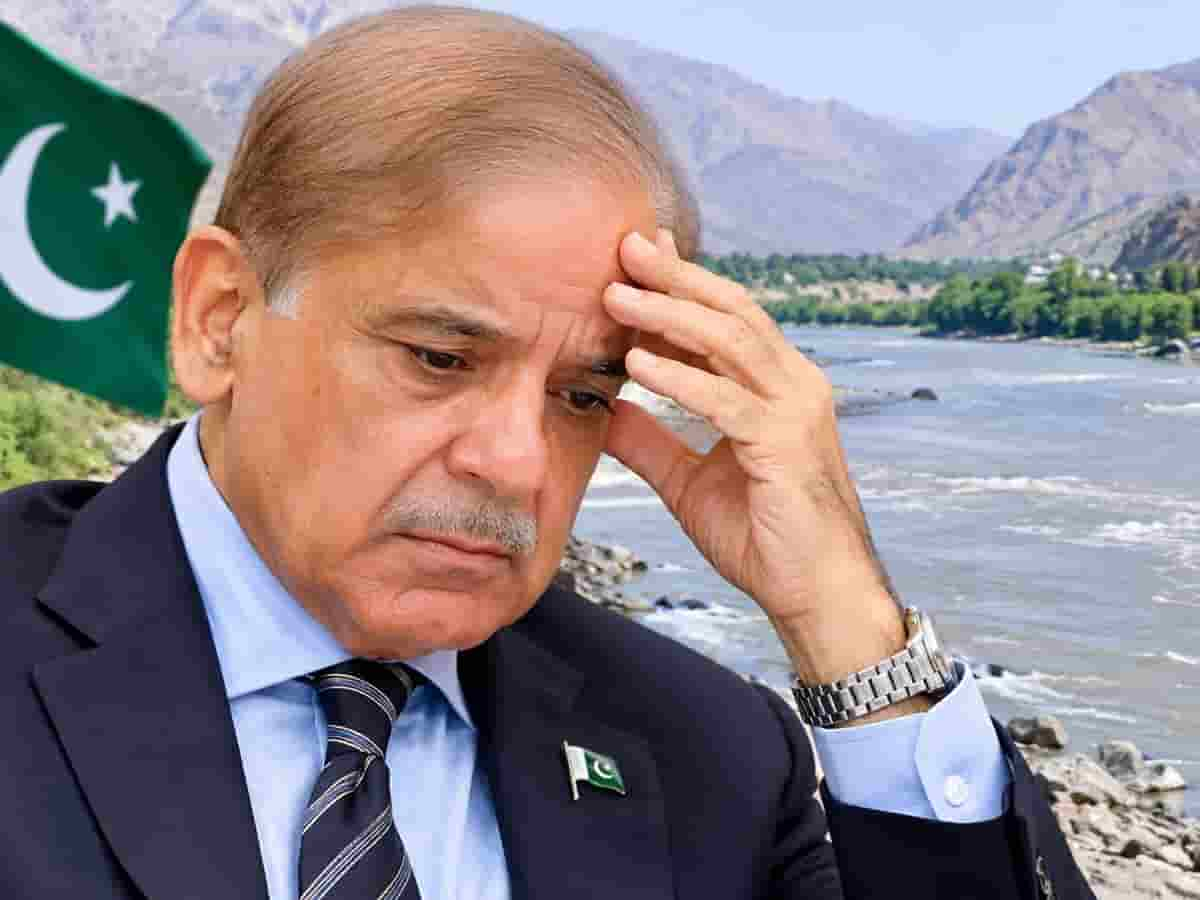
As Pakistan grapples with a severe water shortfall affecting millions of farmers and urban residents during the ongoing Rabi cultivation season, political leaders in Islamabad have once again pointed an accusing finger at New Delhi. Following India’s decision to place the 1960 Indus Waters Treaty in abeyance after the April 2025 Pahalgam terror attack, Pakistani ministers and diplomatic representatives have repeatedly claimed at domestic rallies and international forums—including the United Nations—that India is choking downstream river flows. However, a growing chorus of Pakistani water experts, economists, provincial lawmakers, and hydrological data analysts has dismantled that narrative, revealing that the country’s deepening water emergency is overwhelmingly rooted in decades of domestic policy failure, interprovincial water theft, and dilapidated irrigation infrastructure rather than upstream actions by India.
Pakistani Experts and Leaders Expose the Reality Behind Dry Canals
Even as federal authorities in Islamabad attempt to frame the crisis as an external security threat, voices within Pakistan have openly acknowledged that the real bottleneck lies inside the country’s borders. In recent months, senior water policy specialists and provincial representatives from Sindh and Balochistan have criticized federal water authorities and upstream provinces for violating the 1991 Water Apportionment Accord. Leaders in Sindh, which accounts for roughly two-thirds of Pakistan’s agricultural output, have described steep reductions in their seasonal canal allocations as an economic blow caused by excessive upstream withdrawals within Pakistan rather than cross-border blockades. Hydrological assessments shared by Pakistani water researchers further note that while New Delhi suspended routine data-sharing and treaty meetings under the Indus Waters Treaty, India lacks the massive storage infrastructure on the western rivers—Indus, Jhelum, and Chenab—needed to physically halt monsoon and glacial meltwaters from flowing into Pakistan.
Decades of Stagnant Storage Capacity and Massive Water Wastage
Hydrological records and international water management studies underscore the scale of Pakistan’s self-inflicted scarcity. Under the 1960 Indus Waters Treaty, Pakistan was allocated unrestricted access to over 80 percent of the Indus basin’s total water volume—roughly 135 to 140 million acre-feet (MAF) annually—while India was allotted about 33 MAF from the eastern rivers. Despite receiving one of the world’s largest river endowments, Pakistan’s live water storage capacity remains alarmingly low at roughly 15 percent of its annual river flow, providing barely 30 days of reserve supply. Since the completion of the Tarbela Dam decades ago, political deadlocks and chronic underinvestment have prevented Pakistan from building major new reservoirs or modernizing its aging canal network. Consequently, nearly 30 to 36 MAF of fresh river water escapes unused into the Arabian Sea every year or seeps out of unlined canals—an annual volume of wasted water that exceeds India’s entire treaty allocation.
Outdated Flood Irrigation and Unchecked Groundwater Depletion
Beyond inadequate reservoir capacity, Pakistan’s agricultural sector—which consumes over 90 percent of the nation’s water and employs nearly 38 percent of its workforce—continues to rely heavily on traditional flood irrigation across unlevelled fields. More than 85 percent of cropland in Punjab and Sindh uses inefficient flood methods that cause massive evaporation, waterlogging, and soil salinization. In canal tail-end regions such as the Dadu Canal in Sindh, water deficits have surged past 80 percent due to upstream diversions, illegal canal breaches, and weak regulatory enforcement. To compensate for unreliable canal supplies, farmers across Pakistan have installed over 1.5 million unregulated private tube wells, driving groundwater tables down by more than a meter annually in key farming districts and contaminating aquifers with brackish, saline water.
Urban Water Mafias and Governance Failures in Karachi and Beyond
The crisis is equally visible in Pakistan’s major cities, where residents face severe daily shortages that have nothing to do with cross-border river treaties. In Karachi, Pakistan’s largest metropolis and financial hub, political parties and civic activists have repeatedly clashed over chronic pipeline leaks, uncompleted bulk water supply projects, and illegal tanker networks siphoning municipal water for profit. Public health and urban planning reports highlight that broken distribution lines lose over a third of treated city water before it ever reaches household taps, forcing low-income families in Sindh, Balochistan, and southern Punjab to buy expensive water from private tankers. As both domestic analysts and international observers point out, until policymakers in Islamabad and provincial capitals confront water theft, modernize irrigation efficiency, and invest in local conservation, blaming India will remain a convenient political distraction that fails to bring a single drop of water to Pakistan’s parched fields.