North India Statesman
Pitru Paksha represents a sacred 16-lunar-day period in the Hindu calendar where families across India and the global diaspora pay homage to their departed ancestors. Falling during the Bhadrapada or Ashwin lunar month, this solemn window provides an opportunity to express gratitude, perform tarpan rituals, and alleviate ancestral debts known as Pitru Dosha. Vedic scriptures emphasize that during this specific fortnight, the spirits of forebears descend closer to the earthly realm to receive offerings of food, water, and reverence. Adhering to strict scriptural discipline during these fourteen to sixteen days ensures familial peace, prosperity, and spiritual blessings, while carelessness can invite planetary afflictions and ancestral dissatisfaction.
The Spiritual Significance of Shraddha Paksha
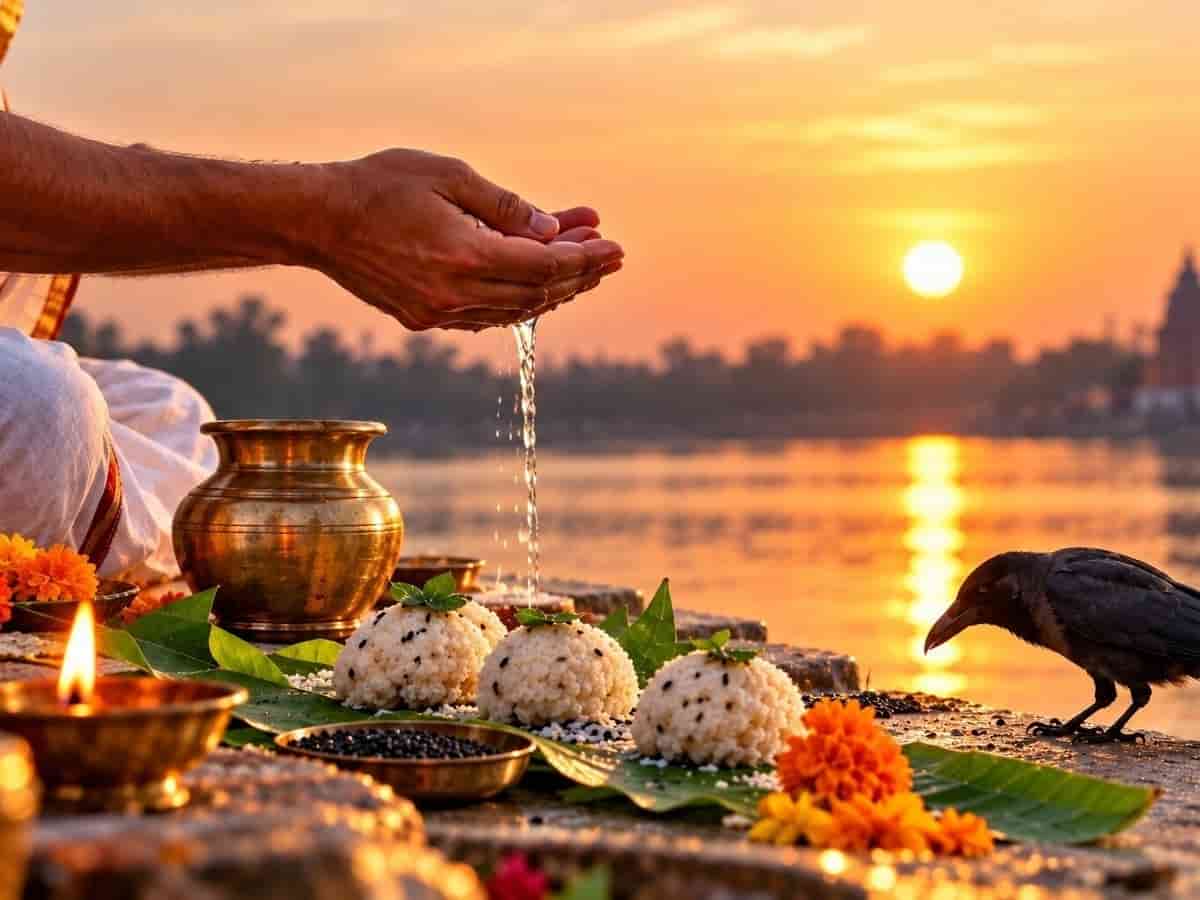
Shraddha Paksha bridges the physical and metaphysical worlds, serving as a dedicated timeframe to appease three generations of paternal and maternal lineages. Major pilgrimage hubs across North and Central India—including Varanasi, Prayagraj Sangam, Haridwar, Badrinath’s Brahma Kapal, and the Falgu riverbanks in Gaya—witness millions of devotees performing Pind Daan rituals. According to Vedic tradition, offering black sesame seeds (til), barley, kusha grass, and sacred Ganga jal creates the necessary vibrational conduit for departed souls to attain peace. Because the entire period is consecrated strictly to contemplation, charity, and ancestral liberation, daily habits must align with high standards of spiritual hygiene and austerity.
1. Avoid Auspicious Beginnings and New Purchases
The foremost prohibition observed throughout Pitru Paksha is the postponement of celebratory milestones and major material acquisitions. Sacred events such as weddings, engagement ceremonies (roka), housewarming rites (griha pravesh), mundan ceremonies, and formal naming rituals must not be scheduled during this window. Similarly, buying significant assets such as real estate, new vehicles, gold jewelry, or expensive luxury goods is traditionally discouraged, as this fortnight focuses on debt repayment to ancestors rather than self-indulgence or material expansion.
2. Abstain from Tamasic Foods and Intoxicants
Dietary discipline forms the core foundation of Shraddha rites. The consumption of non-vegetarian food, alcohol, tobacco, and recreational stimulants is strictly forbidden within the household during this period. Scriptural guidelines also advise avoiding specific tamasic plant items, most notably onions, garlic, mushrooms, lentils like masoor dal, black urad dal, mustard greens, and stale or fermented food. Maintaining an entirely satvik kitchen helps preserve the spiritual purity required for daily tarpan offerings.
3. Do Not Consume Specific Vegetables and Pulses
Beyond garlic and onions, certain traditional vegetables are prohibited during the ancestral fortnight. Vegetables that grow underground or bear resemblance to forbidden offerings—such as radishes, carrots, turnip, round gourd, and bottle gourd—are avoided by orthodox practitioners. Using split chickpeas (chana dal) and black salt in Shraddha offerings or family meals during these days is also counter to Vedic custom, as only pure rock salt (sendha namak), barley, rice, and moong dal are viewed as genuinely sacred offerings.
4. Refrain from Grooming and Physical Alterations
Traditional Hindu code specifies that descendants performing or hosting Shraddha should refrain from non-essential grooming throughout the fortnight. Cutting hair, trimming beards, shaving, and clipping nails are prohibited until the completion of Sarva Pitru Amavasya. Applying perfumed oils, heavy cosmetics, chemical perfumes, or wearing ostentatious new clothing directly contradicts the austere mindset expected of a devotee dedicated to remembrance.
5. Avoid Negative Conduct and Family Discord
Ancestors are believed to be acutely sensitive to the domestic atmosphere of their descendants during Shraddha Paksha. Engaging in loud arguments, harboring spite, speaking harshly, lying, or creating familial discord over property and inheritance severely disrupts the peace of ancestral spirits. Maintaining mental calmness, practicing forgiveness, speaking with restraint, and fostering household harmony are essential preconditions for any tarpan ritual to bear positive fruit.
6. Never Turn Away Beggars, Animals, or Guests
Scriptures state that ancestors may visit homes in unexpected physical disguises, particularly in the form of wandering seekers, birds, or animals. Turning away an unannounced guest (atithi), a needy person, or an animal seeking food is considered a grave misstep during this season. Practitioners must reserve five mandatory daily food portions (Pancha Bali) prior to personal dining: one for cows (Gao Bali), one for dogs (Shvan Bali), one for crows (Kaka Bali), one for ants and insects (Kipilika Bali), and one for departed souls or deities (Deva Bali).
7. Shun the Use of Iron and Steel Utensils for Rituals
The choice of metals during Shraddha ceremonies carries precise energetic implications according to ritual texts. Using iron, steel, or aluminum vessels to cook Shraddha food or offer tarpan water is strictly forbidden, as these metals are thought to attract negative forces. Offerings must be prepared and served exclusively in metals such as copper, brass, silver, or traditional leaf plates made of sal, banana, or banyan leaves, with silver vessels considered the most auspicious for appeasing ancestors.
8. Avoid Performing Rituals During Prohibited Hours
Timing is paramount when executing tarpan and Pind Daan rituals. Performing Shraddha rites during dawn, early morning, twilight (sandhya kaal), or deep night is explicitly forbidden by ancient texts. The most sacred and effective time for Shraddha ceremonies is during the eighth muhurta of the day, known as the Kutup Muhurta (roughly between 11:30 AM and 12:30 PM), continuing through the Rohina and Aparahna periods of the afternoon, when the sun passes its zenith.
9. Avoid Wearing Bright, Flashy, or Impure Clothing
The visual and spiritual environment during Shraddha Paksha must reflect humility and sorrowful reverence. Wearing bright red, neon, or elaborately patterned modern outfits while conducting rituals is frowned upon. The individual performing tarpan must wear unstitched, clean, freshly washed natural cotton garments—typically a white dhoti and an angavastram—ensuring no leather items like belts, shoes, or watch straps are worn during the ritual process.
10. Avoid Neglecting the Specific Ancestral Death Tithi
The fundamental purpose of Pitru Paksha is honoring each departed soul on their exact lunar tithi (date of passing), regardless of the modern calendar month in which they died. Postponing, rushing, or ignoring the designated Shraddha tithi is believed to leave the soul unattended. If the exact tithi of an ancestor is unknown, rites should be conscientiously performed on the final day, known as Sarva Pitru Amavasya (Mahalaya Amavasya), ensuring complete closure and generational blessings for the entire family lineage.