North India Statesman
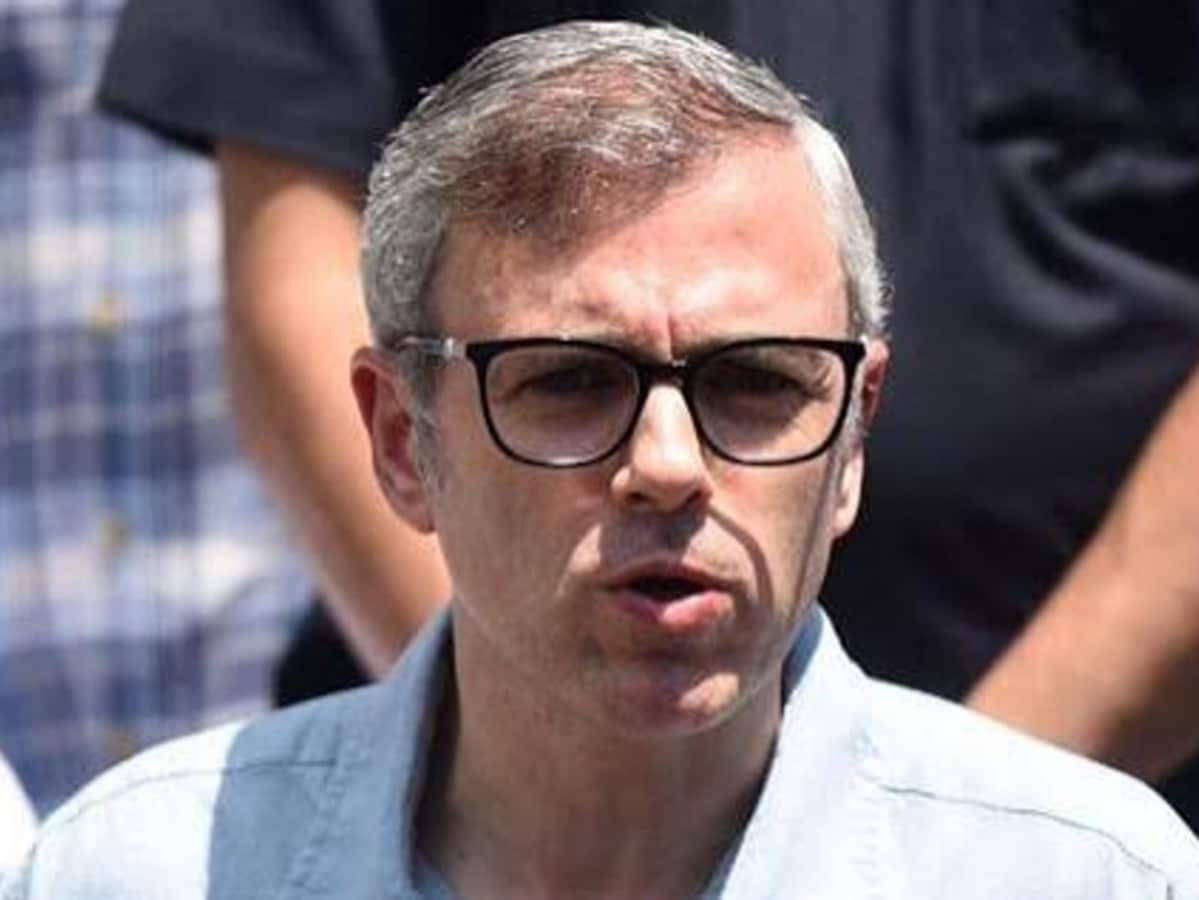
Jammu and Kashmir Chief Minister Omar Abdullah is confronting the most serious internal challenge to his authority since taking office, following reports that a faction of 24 National Conference (NC) legislators held a secret meeting in Srinagar to register intense dissatisfaction with his administration’s functioning. The closed-door gathering—convened at the Srinagar residence of NC MLA Qaisar Jamshid Lone on Friday, October 30, 2026—saw 18 MLAs attending in person while another six joined via secure video conferencing. Bringing together elected representatives from both the Kashmir Valley and the Jammu region, the meeting concluded with a strongly worded joint resolution demanding an urgent audience with the Chief Minister, sweeping governance reforms, and immediate structural changes within the Council of Ministers.
The Cabinet Expansion Trigger: Why NC Legislators Are Up in Arms
The primary trigger behind the sudden revolt is the recent cabinet expansion orchestrated by Omar Abdullah, which filled long-vacant ministerial berths by inducting Ali Mohammad Sagar, Shameema Firdous, Mir Saifullah, and Altaf Kaloo. Under the constitutional ceiling for Jammu and Kashmir’s 90-member Assembly, the Council of Ministers can accommodate a maximum of nine ministers, including the Chief Minister. With the remaining slots finalized, several senior, multi-term legislators who expected ministerial berths were left out, triggering widespread resentment across party ranks. Discontent spilled into public view when senior MLA Abdul Majeed Larmi broke down before cameras, openly lamenting that seniority and legal qualifications had been bypassed in favor of less-qualified appointees. Supporters of veteran leader Mubarak Gul also staged vocal demonstrations outside party offices, illustrating the depth of grass-roots anger.
The Four Key Demands: Targeting Advisers, Ministers, and Governance
Rather than defecting or breaking ranks publicly, the dissenting faction drafted a specific four-point charter aimed at curbing what they describe as “coterie rule” around the Chief Minister:
-
Removal of the CM’s Chief Adviser: The group demanded the immediate removal of Nasir Aslam Wani from his role as Adviser to Omar Abdullah, accusing him of exercising excessive behind-the-scenes influence and interfering in both administrative appointments and party matters.
-
Reshuffle of Key Portfolios: The MLAs called for dropping specific ministers—including Deputy Chief Minister Surinder Choudhary—and requested the resignation of the existing Council of Ministers to reconstitute a fresh cabinet based on consensus and merit.
-
MLA Empowerment and Consultation: Protesting legislators alleged that elected representatives are routinely sidelined by bureaucrats and a tight inner circle, demanding that MLAs be granted formal administrative weight in regional development decisions.
-
Manifesto Roadmap and Internal Democracy: The faction demanded a transparent, time-bound roadmap for implementing core assembly election promises, insisting that internal party decision-making must no longer be treated as the private domain of a few individuals.
Is Omar Abdullah’s Government or Seat in Immediate Danger?
Despite the aggressive posture, the numerical reality of the Jammu and Kashmir Legislative Assembly indicates that Omar Abdullah’s government is not facing an imminent collapse, provided the dissent remains confined to an internal pressure campaign:
-
The Assembly Mathematics: In the 90-member J&K Assembly, the majority mark is 46 seats. The National Conference holds 41 seats of its own and enjoys the solid backing of six independent legislators, giving the ruling alliance 47 seats on its own strength. Furthermore, the Congress party provides outside support with its six MLAs, lifting the effective ruling bloc to over 53 votes.
-
Dissent, Not a No-Confidence Motion: Senior MLAs who participated in the meeting have repeatedly emphasized that they consider themselves party loyalists rather than rebels. “We are not rebels. We want to strengthen the party and make sure it cannot be business as usual,” a participating legislator noted, confirming they have not moved to withdraw support from the administration.
-
The Anti-Defection Safeguard: Under the Tenth Schedule, breaking away to destabilize a government requires a two-thirds split of the legislative party (at least 28 NC MLAs) to avoid disqualification. With 24 legislators involved in expressing grievances, the group falls short of the threshold required for a legal party split, making a floor rebellion legally hazardous for the dissident members.
Compounding Woes: Srinagar MP Aga Ruhullah’s Resignation Threat
The legislative friction arrives at an exceptionally delicate moment for the National Conference high command, compounded by the public rebellion of its firebrand Srinagar Member of Parliament, Aga Syed Ruhullah Mehdi. Mehdi announced that he would formally resign from both the Lok Sabha and the National Conference on November 3, 2026, delivering an unfiltered attack against the party’s leadership. Mehdi accused the leadership of compromising on core political promises—including the restoration of Article 370 and the release of political prisoners—and treating the party as a hereditary estate. The open defiance from an influential leader with substantial grassroots sway across central Kashmir has emboldened dissident MLAs to voice their concerns more aggressively.
Party Response and the Road Ahead
In response to reports of an open revolt, NC spokesperson Ifra Jan downplayed the crisis, questioning the claims regarding the exact number of attendees and describing post-reshuffle disappointment as standard political behavior seen across all parties. Meanwhile, party patriarch Dr. Farooq Abdullah took disciplinary action by removing Mubarak Gul from the post of party General Secretary in a bid to reassert central authority.
While Omar Abdullah’s chief ministerial seat is protected by solid legislative numbers, the simultaneous eruption of MLA dissent and high-profile resignations deprives his young administration of political momentum. How the Abdullahs balance ministerial concessions, rein in bureaucratic interference, and address internal grievances upon their return from New Delhi will determine whether this internal firestorm is successfully doused or evolves into a protracted crisis of governance.