North India Statesman
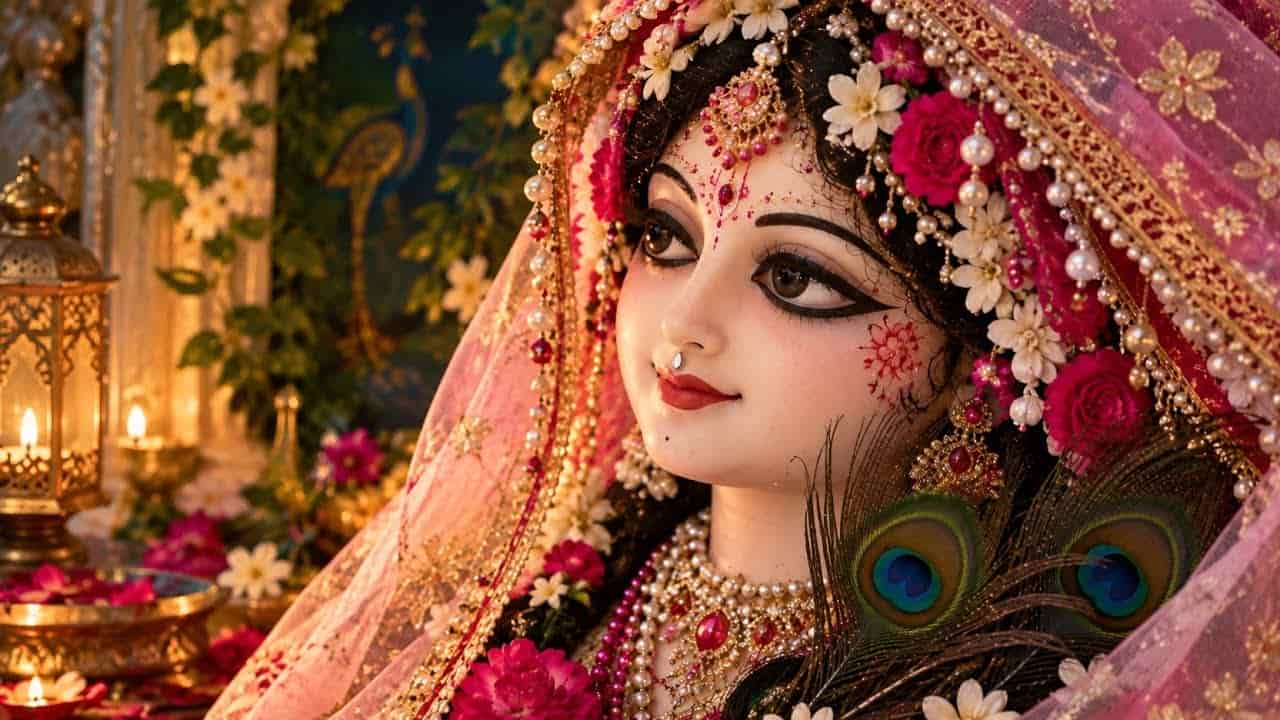
The holy land of Braj is preparing for the divine birth anniversary of Shri Radha Rani, yet devotees across India and worldwide face confusion regarding the exact date of Radha Ashtami 2026. Because lunar tithis overlap across standard solar calendar dates, many wonder whether the holy fast should be observed on Friday, September 18, or Saturday, September 19. Understanding Vedic tithi calculations, particularly the Udaya Tithi and Madhyahna Kaal, resolves this dilemma completely so you can perform the puja rituals with complete spiritual merit.
The September 18 Versus September 19 Dilemma Explained
According to traditional Hindu Panchang calculations, Radha Ashtami is celebrated every year on the Shukla Paksha Ashtami of the Bhadrapada month, exactly fifteen days after Krishna Janmashtami. Unlike festivals celebrated at midnight, the divine appearance of Radha Rani took place during midday (Madhyahna Kaal) in Barsana. When calculating festival dates, Vedic scholars examine both sunrise tithi (Udaya Tithi) and the presence of the tithi during noon hours.
The Ashtami Tithi begins in the late hours of September 18, 2026, and spans through the daytime of September 19, 2026. Because Ashtami prevails at sunrise and during the crucial afternoon worship window on Saturday, prominent Vedic scholars, traditional Panchangam authorities, and major temple trusts have designated Saturday, September 19, 2026, as the primary and most auspicious day for keeping the Radha Ashtami fast.
Auspicious Puja Muhurat And Udaya Tithi Timings
For worshiping Goddess Radha, the midday window is considered the most sacred, as scripture states she manifested before King Vrishabhanu and Queen Kirtida at twelve noon.
-
Radha Ashtami Date: Saturday, September 19, 2026
-
Ashtami Tithi Commences: Late night, September 18, 2026
-
Ashtami Tithi Concludes: Evening, September 19, 2026
-
Madhyahna Puja Muhurat: 11:05 AM to 01:34 PM (IST)
-
Abhishekam Window: Peak afternoon period starting at 12:00 PM
Performing the sacred Panchamrit Abhishekam within this specific window brings auspicious planetary alignment and spiritual grace.
Significance In Mathura, Vrindavan, And Barsana
In the sacred pilgrimage circuits of Mathura, Vrindavan, Barsana, and Rawal, Radha Ashtami is celebrated with grand fervor matching Janmashtami. At the Radha Rani Temple atop Bhanugarh hill in Barsana, thousands of pilgrims assemble for the 27-pot holy bath, Chappan Bhog offering, and the traditional Laddu Leela. Devotees believe that fasting and performing Kirtan in Barsana or Vrindavan on this day washes away life’s past negative karmas and grants unconditional divine love.
Vedic scriptures state that devotion to Lord Krishna remains incomplete without offering heartfelt prayers to Shri Radha, as Krishna is the supreme soul and Radha represents the soul’s supreme devotion.
Authentic Puja Vidhi And Fasting Rituals For Devotees
Observing this Vrat requires purity of body and mind. On the morning of September 19, begin the day with a holy bath before sunrise, wear clean attire (preferably yellow or blue), and take a formal Sankalpa for the day-long fast.
Set up a clean wooden altar facing east or north, cover it with a red or yellow cloth, and install the idols or portraits of Radha-Krishna. Begin the prayers with Ganpati invocation, followed by an elaborate Abhishekam using milk, curd, honey, ghee, sugar (Panchamrit), and holy water. Offer fresh clothing, fragrant flowers, Chandan, Tulsi leaves (offered exclusively at the feet of Radha Rani), and Dhoop. Prepare seasonal sweets, particularly Makhan-Mishri, Arbi delicacies, and sweet pooris for the Bhog. Recite the Radha Sahasranama, Radha Kripa Kataksha Stotra, or chant the sacred Hare Krishna Maha-Mantra, culminating the worship with Aarti and distributing Prashad.