North India Statesman
Long before she became the undisputed queen of Indian pop and a trailblazer in playback singing, Usha Uthup faced an embarrassing setback in her childhood that could easily have crushed any young artist’s dreams. Attending St. Agnes High School in Mumbai during the 1950s, a young Usha Iyer loved music and eagerly auditioned to join her school choir. However, when the choir teacher evaluated her, her voice did not fit the light, high-pitched treble tones typical of young female students. Instead, she possessed a deep, powerful contralto resonance. Deemed incompatible with the standard chorus ensemble, she was removed from the active singing lineup. Recognizing her intrinsic rhythm, the music instructor handed her simple percussion instruments—clappers and triangles—to play from the back of the class. Rather than breaking her spirit, this early humiliation taught her that her voice was distinct, sparking a lifelong determination to define her own musical identity on her own terms.
Crafting a Distinctive Musical Identity Beyond Conventional Norms
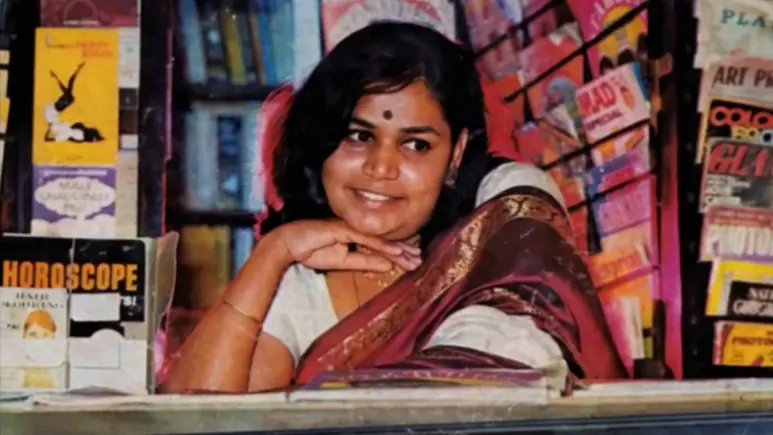
Growing up in a vibrant home environment where Western pop, classical Carnatic, and Hindustani music coexisted seamlessly, Usha absorbed an eclectic array of vocal styles. Encouraged by supportive family members and neighbors, she expanded her linguistic repertoire and learned to blend traditional Indian musical nuances with international jazz, rock, and blues textures. By 1969, she took her initial steps onto the live music scene by performing at the Nine Gems venue in Chennai. Wearing a classic Kanjeevaram saree paired with a prominent bindi and gajra, she shattered the prevailing stereotypes of female night-club performers. Her signature contralto voice instantly commanded audience attention, transforming what critics initially viewed as an unconventional vocal texture into her greatest artistic asset. Her transition to Kolkata’s iconic Park Street venue, Trincas, cemented her reputation as a formidable live entertainer capable of engaging audiences across generations.
Breaking Boundaries in Indian Cinema and International Stages
Usha Uthup’s entry into Bollywood music brought a refreshing, energetic shift to playback singing. Spotted by legendary filmmakers and composers like Dev Anand and R.D. Burman, she delivered memorable chart-toppers that featured her trademark punchy vocals. Tracks like “Ramba Ho,” “Hari Om Hari,” and “Koi Yahan Naha Naha” became instant national anthems of dance and celebration. Her ability to sing fluently in over 17 Indian languages and multiple foreign dialects allowed her to break geographical barriers, captivating audiences from Mumbai and Chennai to London and Nairobi. Decades later, her versatile performance of “Darling” in Vishal Bhardwaj’s 7 Khoon Maaf earned her a Filmfare Award, proving that her unique vocal depth remained as captivating as ever.
National Recognition and the Ultimate Triumph of Perseverance
The crowning moment of Usha Uthup’s remarkable journey arrived when the Government of India conferred upon her the Padma Shri in 2011, followed by the nation’s third-highest civilian honor, the Padma Bhushan, in 2024 for her extraordinary contributions to the arts. Standing tall as a beacon of individuality, resilience, and authenticity, her life story serves as a powerful reminder for aspiring artists across the country: what society singles out as a flaw can ultimately become your greatest superpower. From a young girl sidelined in a school music room to a celebrated national treasure, Usha Uthup’s legacy proves that true talent always finds its stage.