North India Statesman
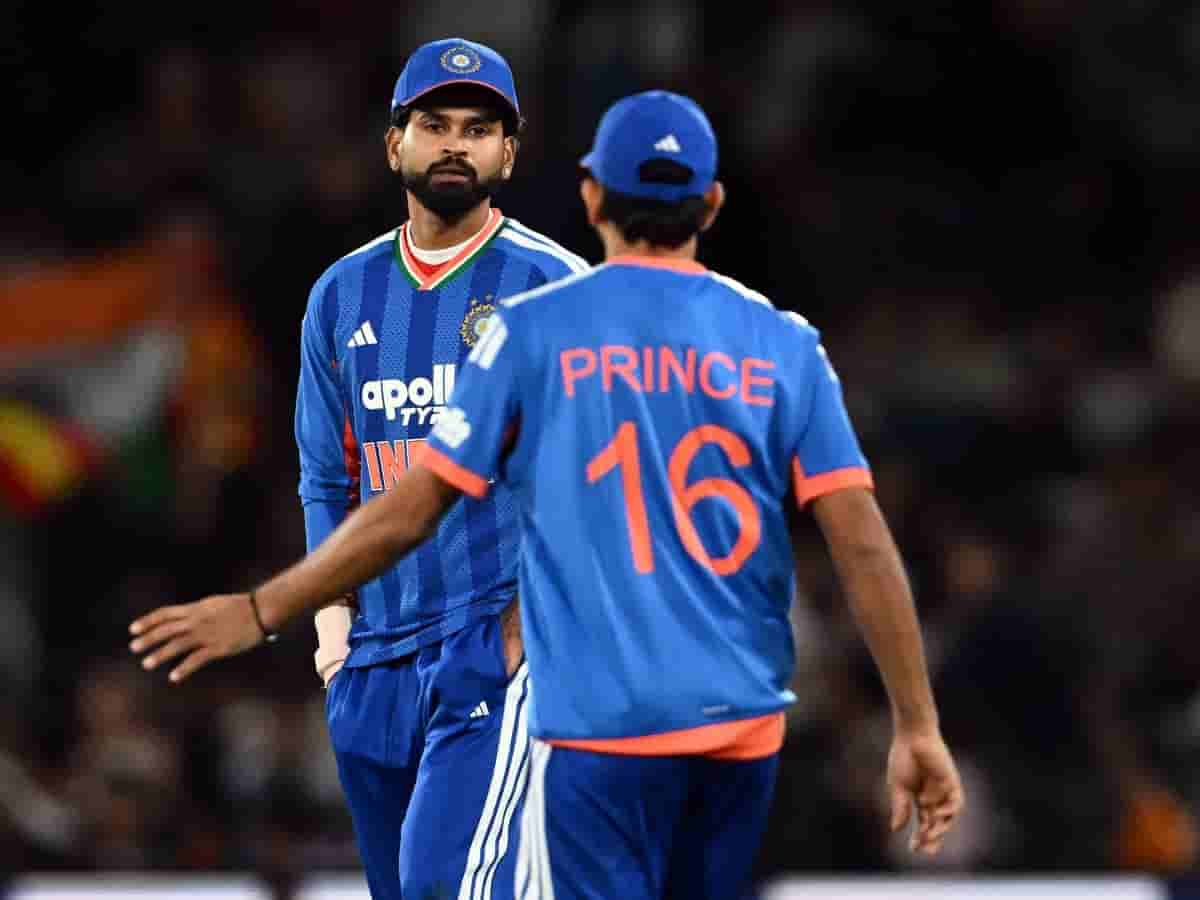
India’s commanding 3-0 series lead against New Zealand came crashing into an uncomfortable reality at Eden Park, Auckland, as the hosts handed the Men in Blue a brutal 87-run thrashing in the fourth T20I. Chasing a formidable total of 259 after the Black Caps capitalized on small boundaries and flat conditions, India’s batting lineup folded for 172. While post-match discussions often focus on batting collapses, former Indian cricketer and seasoned analyst Mohammad Kaif pointed directly to the root cause: Shreyas Iyer’s questionable on-field leadership and recurring blunders in bowling rotation. Kaif argued that earlier victories against teams like Ireland and the West Indies merely masked structural flaws in Iyer’s tactical execution. In Auckland, those flaws were laid bare, turning what should have been a competitive chase into a complete rout.
Exhausting Strike Weapons Too Early: The Core Flaw in Iyer’s Bowling Rotation
The central pillar of Kaif’s sharp critique rests on how Iyer utilizes his primary pace options. Modern T20 strategy requires captains to preserve at least two to three overs from their premier death-over specialists for the final four overs, where matches are won or lost. However, Kaif pointed out a recurring pattern under Iyer’s captaincy: frontline pacers like Arshdeep Singh and experienced campaigners like Bhuvneshwar Kumar often bowl out their key spells before the 15th over concludes. By burning through primary strike weapons in an attempt to buy wickets or control middle-order scoring, Iyer routinely leaves the critical slog overs in the hands of developing all-rounders and inexperienced options. When batters like Glenn Phillips and Michael Bracewell exploded in the latter half of the innings, India had no proven death-bowling answers left on the field.
The Cost of Defensive Maneuvers: Why Defensive Bowling Collapses at the Death
Kaif was blunt about the psychological mindset driving Iyer’s field and bowling adjustments, calling out what he described as “escape bowling” (bach-bach kar गेंदबाजी). Rather than deploying wicket-taking fields or backing frontline bowlers to attack during key momentum shifts, Iyer repeatedly turned to defensive, negative lines aimed purely at surviving an over. As Kaif noted, defensive tactics are inherently volatile on high-scoring grounds like Eden Park; once opposing hitters smell fear and realize specialist bowlers are absent from the death phase, scoring rates escalate unchecked. Yielding over 250 runs in twenty overs is a direct byproduct of tactical disarray, leaving batters facing near-impossible target pressures from ball one.
All-Rounder Mismanagement: The Nitish Kumar Reddy Dilemma
Another tactical failure highlighted in post-match evaluations was the treatment of young seam-bowling all-rounders, particularly Nitish Kumar Reddy. Rather than using Reddy as an auxiliary fifth or sixth bowling option to slip in a tidy two-over spell through the middle overs, Iyer thrust him into high-pressure phases. The result was disastrous: Reddy leaked 64 runs in his four overs without containment, as the Kiwi batters capitalized on pace without deviation. Kaif emphasized that captaincy is about protecting emerging players and creating situations where they can succeed, rather than exposing them to unchecked carnage while frontline pacers watch from the deep.
Demanding Answers Beyond the Scoreline: The Path Ahead Before the Decider
With the fifth and final T20I looming at Hamilton, the pressure on Shreyas Iyer has shifted from celebration to scrutiny. Leading an Indian national squad requires more than relying on individual batting brilliance from top-order stars to dig the team out of deficits. As Mohammad Kaif made clear, Iyer must treat the Auckland debacle as an urgent instructional clinic. Learning how to hold nerves, save overs from match-winners like Arshdeep for the end, and balance his bowling resources will determine whether Iyer can cement his status as a permanent, tactically sound Indian white-ball captain or whether the cracks in his leadership will widen under top-tier international pressure.