North India Statesman
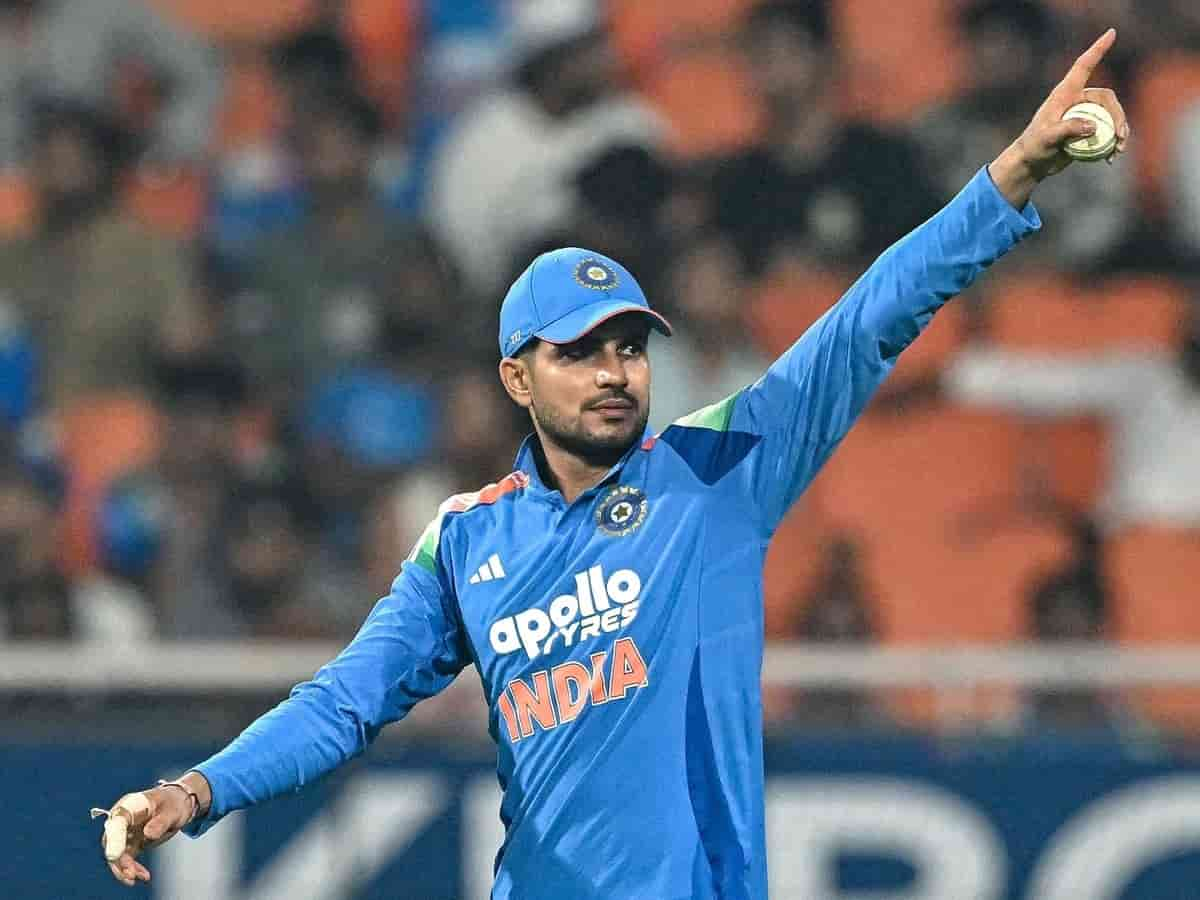
In Indian public life, few positions carry the relentless scrutiny, emotional investment, and daily accountability of two roles: the Prime Minister of India and the captain of the Indian men’s national cricket team. For decades, former cricketers, broadcasters, and fans from Mumbai and Delhi to Chennai and Kolkata have repeated the familiar adage that captaining India is the second toughest job in the country. When young batting star and Indian skipper Shubman Gill was recently asked whether leading the national side feels as challenging as serving as the Prime Minister, his reaction blended grounded humility with quiet resolve. Rather than offering a rehearsed soundbite or brushing aside the weight of expectations, Gill summed up his mindset in seven simple words: “I just have to keep doing it.”
What Shubman Gill Said About Handling India’s Toughest Cricket Role
Addressing the comparison during a candid media interaction, Shubman Gill acknowledged the sheer scale of responsibility that comes with walking out for the toss with the national crest on his blazer. In a nation of over 1.4 billion people where cricket functions as a shared daily passion rather than a weekend pastime, every tactical move, bowling change, and batting order decision is dissected in real time across television studios and social media feeds. Gill noted that while governing a country operates on an entirely different plane of national duty, the intensity of public expectation surrounding the Indian cricket captain creates a unique pressure cooker of its own. His response—that he simply has to keep showing up and doing the job—reflects a pragmatic temperament shaped by years of rising through India’s competitive domestic and international ranks.
How the Captaincy vs Prime Minister Analogy Became Part of Indian Cricket Folklore
To understand why journalists still pose this question to modern captains, one has to look back at how Indian cricket evolved over the past four decades. Legends such as Sunil Gavaskar, Kapil Dev, Sourav Ganguly, MS Dhoni, and Virat Kohli all spoke at various points about how the captaincy extends far beyond setting fields and managing bowlers. In India, the skipper is simultaneously the face of a multi-billion-dollar sporting ecosystem, the emotional anchor for millions of supporters, and the primary target whenever the team endures a rare bilateral series loss or an ICC knockout heartbreak. Unlike political leaders who face electoral verdicts every five years, an Indian cricket captain faces a public referendum every single match day, whether playing under lights at the Wankhede Stadium, battling spinning tracks in Kanpur, or touring challenging overseas conditions in Australia and England.
Shubman Gill’s Evolution From Prodigy to Leader
Shubman Gill’s calm dismissal of external noise did not happen overnight. Raised in Fazilka, Punjab, and honed at the PCA Stadium in Mohali, Gill entered the spotlight early as the standout batter of India’s victorious 2018 Under-19 World Cup campaign. Over the subsequent years, he transitioned from a promising top-order stroke-maker into an all-format mainstay for Team India, while also taking over the captaincy of the Gujarat Titans in the Indian Premier League. Stepping into leadership roles at both franchise and international levels forced him to balance his own high-scoring standards with the broader demands of man-management, team selection, and dressing-room morale. Coaches and teammates who have worked closely with Gill often highlight his unhurried demeanour under pressure, a trait that mirrors the composure required to survive prolonged scrutiny in Indian cricket.
Why Simplicity Is Gill’s Biggest Strength in the Modern Era
Modern international captains operate in an environment far noisier than the one their predecessors navigated. Every press conference clip is clipped into viral reels within seconds, every training session is tracked, and every dip in form triggers instant debates about workload management and leadership credentials. Against that backdrop, Gill’s insistence on focusing strictly on process—repeating his routines, trusting his preparation, and keeping things straightforward—stands out as a deliberate survival strategy. Instead of getting drawn into philosophical comparisons between politics and sport, he redirected attention back to execution on the field. For a young leader tasked with guiding Indian cricket through a generational transition, refusing to overcomplicate the role may be the most effective way to sustain consistency across Tests, One-Day Internationals, and T20 cricket.
What Fans and Experts Take Away From Gill’s Remark
Across cricket circles in India, Gill’s measured reply has resonated strongly with supporters who value substance over rhetoric. Sports analysts point out that successful Indian captains have historically been those who compartmentalise outside chatter and treat high-stakes fixtures with emotional equilibrium. By neither shrinking from the enormity of the job nor inflating his own stature, Gill struck the exact balance expected of someone wearing the India captaincy armband. As Team India prepares for packed home and away calendars, the spotlight on its skipper will only grow brighter. Yet if Shubman Gill’s latest words are any indication, he intends to meet every expectation the same way he builds a big innings—one session, one decision, and one day at a time.