North India Statesman
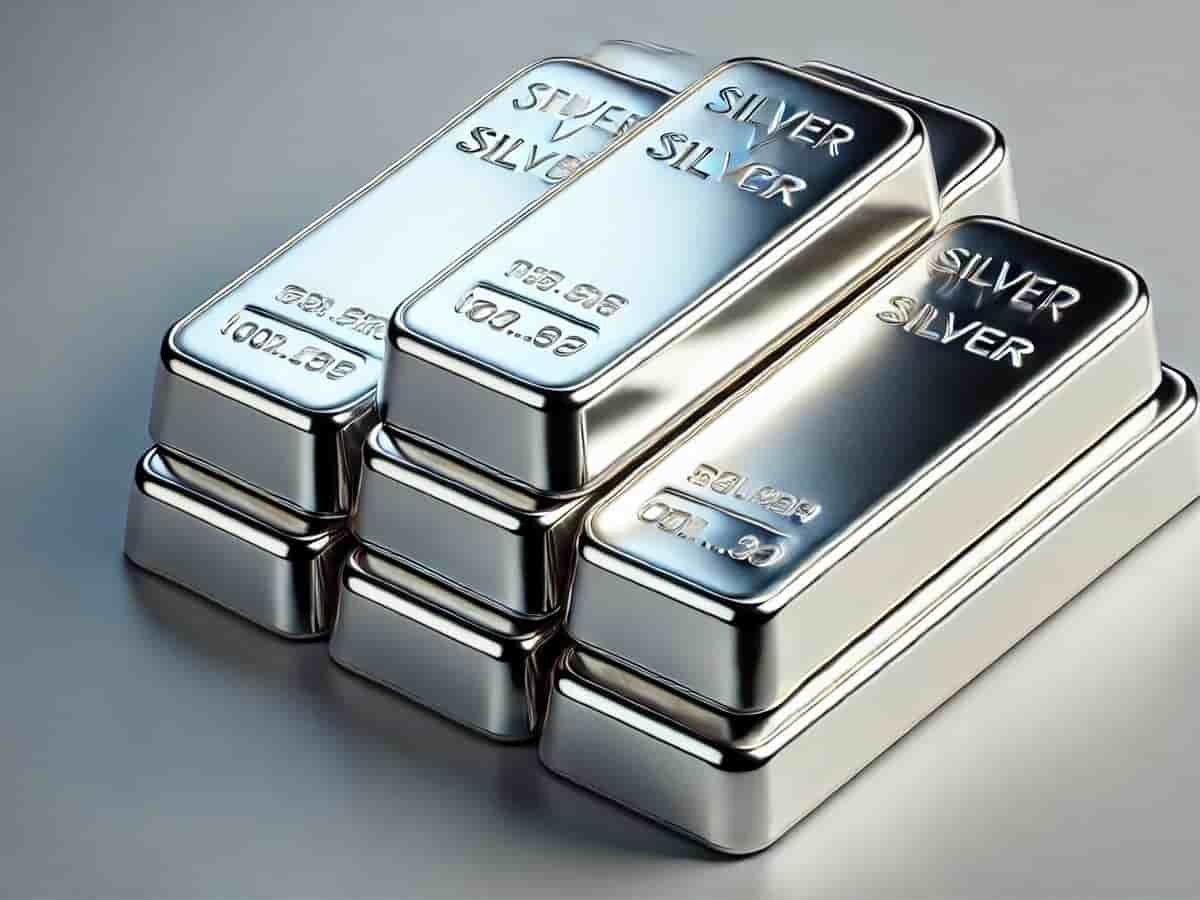
Precious metals enthusiasts, retail buyers, and wedding planners have welcomed a breath of fresh air as silver prices registered a sharp downward correction across major Indian commodity and retail bullion hubs. Following weeks of relentless upward momentum driven by pre-festive rush and geopolitical tensions, the white metal witnessed significant profit-booking in both physical spot markets and domestic futures platforms. The sudden cooling of prices has triggered lively discussions across jewelry streets from Delhi’s Chandni Chowk to Lucknow’s Aminabad and Patna’s Chowk bullion bazar, where families are closely assessing the numbers before making festive and wedding-related purchases. Spot silver, which had previously breached elevated territory, traded lower today as weakness in overseas futures and a firming greenback applied downward pressure on base and precious metals alike. For retail consumers who were deterred by record-high peak valuations in recent months, this price retreat offers a timely, cost-effective accumulation window.
Local City Breakdown: Today’s Silver Prices in Delhi, Lucknow, Kanpur, and Patna
While national commodity exchanges provide a uniform benchmark rate, local retail jewelry rates routinely diverge across state boundaries due to differing regional transportation logistics, dealer margins, and state-level bullion association agreements. In the national capital, Delhi, standard fine silver (99.9% purity) is changing hands at approximately ₹2,000 to ₹2,169 per 10 grams, placing the price of one kilogram of silver in the range of ₹2,00,000 to ₹2,16,900, down noticeably from its recent historic highs. Crossing the border into Uttar Pradesh, retail jewellers in Lucknow, Kanpur, Noida, and Varanasi report benchmark silver hovering around ₹2,209 per 10 grams and roughly ₹2,20,900 per kilogram. In Bihar’s commercial jewelry corridors across Patna, Muzaffarpur, and Gaya, silver rates reflect a similar downward trajectory, with retail rates closely tracking the eastern zone bullion index at approximately ₹2,210 to ₹2,220 per 10 grams and roughly ₹2,21,500 per kilogram. Because localized retail rates fluctuate multiple times a day based on real-time Multi Commodity Exchange (MCX) swings, consumers are strongly advised to verify live spot quotations with accredited local jewellers before closing retail transactions.
Global and Domestic Catalysts: Why Silver Prices Are Slipping on MCX and Comex
The latest retreat in silver is directly linked to an interlocking web of macroeconomic shifts playing out across international and domestic trading arenas. On global commodity exchanges like the US COMEX and the London Bullion Market Association (LBMA), spot silver prices slipped from recent multi-month peaks due to profit-taking by institutional funds and hedge desks. A primary driver has been the resilient performance of the United States Dollar Index (DXY) alongside elevated US Treasury yields; whenever the dollar strengthens, commodities priced in dollars become comparatively costlier for overseas purchasers, softening international demand. Domestically, the Multi Commodity Exchange (MCX) witnessed speculative long-unwinding after Diwali and Chhath Puja buying sprees subsided, leading to a temporary plateau in domestic retail inquiries. Furthermore, industrial demand signals from key manufacturing hubs in solar photovoltaic technology, semiconductors, and electronic assembly plants have experienced a brief pause in immediate stocking, adding further pressure to industrial metal contracts.
The Hallmarking and GST Factor: How to Calculate the Final Purchase Price
A common mistake made by retail shoppers is confusing raw wholesale bullion quotations with the final billing amount shown on jewelry invoices. When buying physical silver items in retail showrooms across Delhi, Uttar Pradesh, or Bihar, the base bullion price constitutes only the starting baseline. Under Indian taxation guidelines, every retail purchase of silver bullion, coins, utensils, and ornamental jewelry attracts a mandatory 3% Goods and Services Tax (GST) applied over the total value. In addition, if you are purchasing silver jewelry or decorative silverware rather than plain bullion bars, jewellers levy making charges—frequently ranging from 8% to 20% depending on the complexity of handcrafting, stone settings, and machine polish. Crucially, smart shoppers must insist on Bureau of Indian Standards (BIS) hallmarked silver, which guarantees the certified fineness of the metal (such as 999 for fine silver coins or 925 for sterling jewelry), complete with the six-digit Hallmark Unique Identification (HUID) code and official jeweller identification stamps.
Smart Buyer’s Guide: Silver Coins, Bars, or Silver ETFs—Where Should You Invest?
The drop in silver prices has prompted investors to reconsider the optimal medium for building long-term silver exposure. For traditional buyers looking for physical utility, gifting, or upcoming family wedding rituals, buying 99.9% fine silver minted coins and cast bars remains the preferred choice because bars carry negligible making charges compared to ornate jewelry. However, for investors motivated purely by wealth creation, portfolio diversification, or capital appreciation, physical custody carries drawbacks like storage overhead, safety risks, and resale purity deduction margins. To overcome these hurdles, modern market participants are increasingly allocating toward Silver Exchange Traded Funds (ETFs) and Silver Fund of Funds (FoFs) through domestic mutual fund houses and stock brokerages. Silver ETFs track 99.9% pure silver spot benchmarks in real time, eliminate physical theft vulnerabilities, require no vault lockup costs, and enable instant liquidity at the tap of a smartphone screen, making them an exceptionally agile instrument during price pullbacks.
Future Outlook: Will Silver Prices Slide Further or Rebound Before Wedding Season?
Looking ahead, commodity market analysts anticipate that silver will consolidate within a defined technical band before attempting its next directional breakout. While near-term corrections could persist if the US Federal Reserve maintains high interest rates and dollar strength continues to deter leveraged commodity purchases, the structural long-term story for silver remains solidly constructive. Silver is not just a monetary safe-haven; it is a vital industrial commodity integral to the worldwide green energy transition, high-efficiency solar panel manufacturing, electric vehicle circuitry, and advanced communications infrastructure. Furthermore, domestic bullion demand across India is set to receive a substantial structural boost as the winter wedding season swings into full gear across northern and eastern states, providing a robust demand cushion under current price levels. Market experts generally recommend that prospective buyers avoid aggressive lump-sum speculation and instead adopt a phased accumulation approach, taking gradual advantage of intraday price dips to average out purchase costs across the coming weeks.